Dining In vs Dining Out in Ecuador: Which Is Better for Your Health?
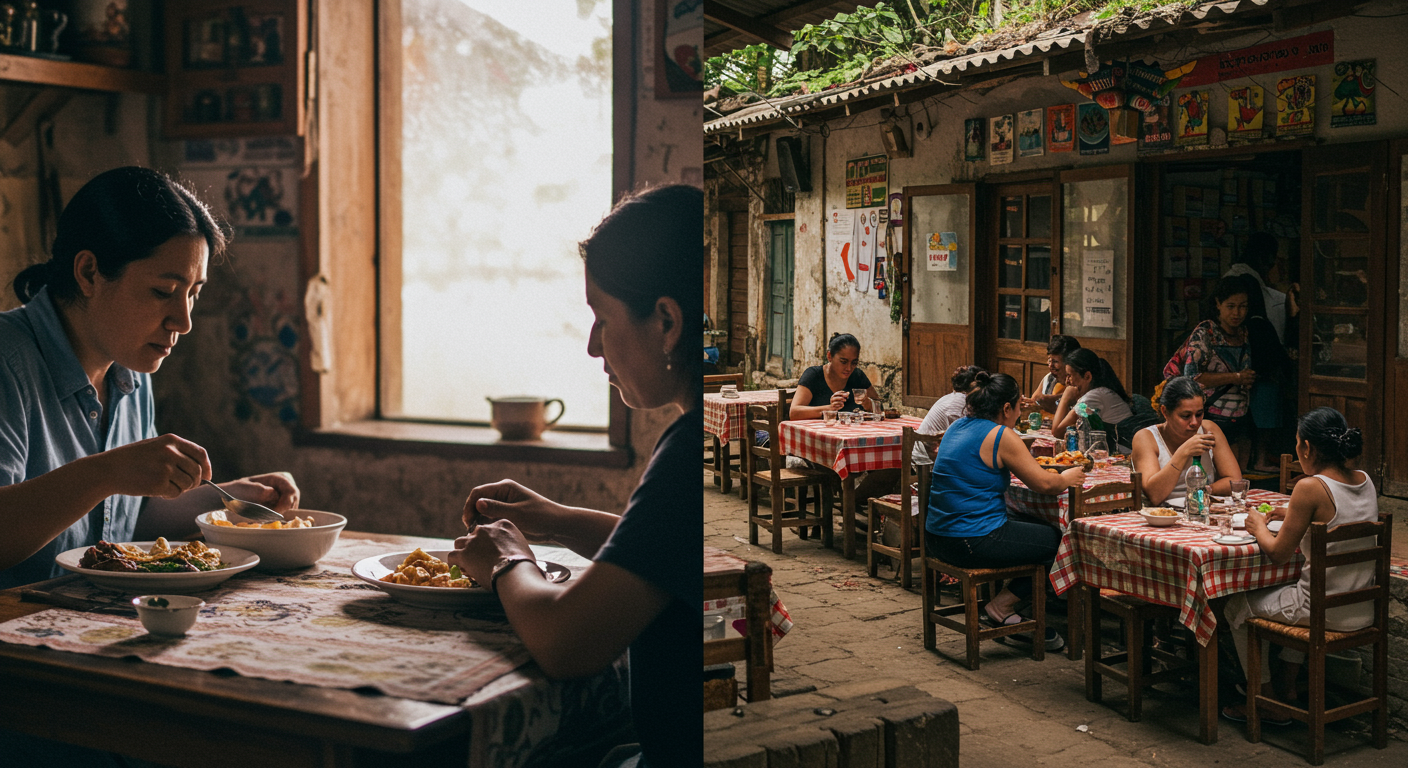
Ecuador's food landscape is rapidly evolving. In cities like Quito, Guayaquil, and Cuenca, restaurant culture is flourishing alongside centuries-old home cooking traditions. As Ecuadorians increasingly face the choice between preparing meals at home or dining out, understanding the health implications of each option becomes crucial for making informed decisions about daily nutrition.
The Health Case for Dining In
Cooking at home offers unparalleled control over your health outcomes. When you prepare meals in your own kitchen, you make every decision about ingredients, portion sizes, and cooking methods. This control translates into significant health advantages that are difficult to replicate when dining out.
Portion management becomes intuitive when cooking at home. Restaurant portions in Ecuador, like elsewhere, tend to be larger than necessary for proper nutrition. At home, you can serve appropriate amounts and avoid the tendency to finish oversized plates simply because the food is in front of you.
The financial benefits of home cooking also support better health choices. The money saved by not paying restaurant markups can be invested in higher-quality ingredients—organic produce, leaner meats, and whole grains that might seem expensive per unit but cost less per meal than restaurant dining.
Perhaps most importantly, home cooking allows you to control sodium, sugar, and unhealthy fat content. Restaurants often rely on these ingredients to enhance flavor quickly and inexpensively, while home cooks can build flavor through herbs, spices, and cooking techniques that don't compromise nutritional value.
Traditional Ecuadorian Home Cooking Advantages
Ecuador's traditional home cooking practices offer remarkable health benefits that align perfectly with modern nutritional science. Staple foods like quinoa provide complete proteins and essential amino acids, while beans offer fiber and plant-based protein that supports digestive health and helps regulate blood sugar.
Traditional cooking methods used in Ecuadorian homes often preserve more nutrients than industrial food preparation. Steaming vegetables, slow-cooking stews, and using fresh herbs and spices maintain the nutritional integrity of ingredients while developing complex flavors.
The practice of seasonal eating, still common in many Ecuadorian households, ensures access to peak nutritional content when fruits and vegetables are harvested at optimal ripeness. This approach also supports local agriculture and reduces the environmental impact of food choices.
Family recipes passed through generations often incorporate time-tested combinations of foods that provide balanced nutrition. The traditional plate combining rice, beans, vegetables, and small amounts of protein offers a nutritionally complete meal that has sustained healthy populations for centuries.
The Health Challenges of Dining Out in Ecuador
Restaurant dining presents several consistent challenges to maintaining optimal health. Most significantly, restaurant meals tend to be calorie-dense, often containing 200-300% more calories than equivalent home-prepared meals, according to nutritional research from the National Center for Biotechnology Information.
Sodium content in restaurant food frequently exceeds daily recommended limits in a single meal. Restaurants use salt not only for flavor but also as a preservative and to mask the taste of lower-quality ingredients or extended storage times.
Limited nutritional information makes it difficult to make informed choices when dining out. While some chain restaurants provide calorie counts, most local establishments don't offer detailed nutritional data, leaving diners to guess about the health impact of their choices.
The economic pressures of restaurant operation can lead to cost-cutting measures that affect food quality. Cheaper cooking oils, processed ingredients, and extended storage times may reduce nutritional value while increasing exposure to preservatives and additives.
Ecuador-Specific Restaurant Dining Considerations
Ecuador's popular restaurant foods present unique health considerations. Fried plantains, while delicious, add significant calories and fat compared to boiled or baked preparations. Traditional dishes like fritada or chicharrón, while culturally important, are high in saturated fat and should be enjoyed in moderation.
Street food culture, vibrant throughout Ecuador, raises both nutritional and safety concerns. While street vendors often use fresh ingredients and traditional cooking methods, food safety practices may vary, and the high-fat, high-sodium nature of many popular street foods makes them better suited for occasional treats rather than regular meals.
Regional variations in restaurant quality and health standards mean that dining experiences can vary significantly between urban and rural areas, and even within cities. Coastal regions may offer more fresh seafood options, while highland areas might feature more potato and grain-based dishes.
Government health initiatives are beginning to influence restaurant practices in Ecuador. New labeling requirements and public health campaigns promoted by Ecuador's Ministry of Public Health are slowly improving the availability of nutritional information and encouraging healthier menu options.
Making Healthier Choices When Dining Out
When dining out in Ecuador becomes necessary or desirable, several strategies can help minimize health impacts. Look for restaurants that offer grilled, steamed, or baked options rather than exclusively fried foods. Many Ecuadorian restaurants will accommodate requests for preparation modifications if asked politely.
Don't hesitate to ask questions about preparation methods. Inquire whether dishes can be prepared with less oil, whether sauces can be served on the side, or whether vegetables can be steamed rather than sautéed. Most restaurants want to satisfy customers and will accommodate reasonable requests.
Practice portion control by sharing entrees, ordering appetizers as main courses, or immediately boxing half of large portions to take home. This approach allows you to enjoy restaurant dining while managing calorie intake.
Seek out restaurants that emphasize traditional, minimally processed Ecuadorian foods. Establishments that focus on fresh ceviche, grilled meats with simple seasonings, or traditional soups often provide healthier options than places specializing in heavily processed or fusion foods.
Finding the Right Balance
The healthiest approach for most people involves primarily cooking at home while occasionally enjoying restaurant meals as social experiences or special treats. This balance allows you to maintain control over your daily nutrition while still participating in Ecuador's rich dining culture.
Reserve restaurant dining for occasions when the social or cultural experience justifies the health trade-offs. Birthday celebrations, business meetings, or trying regional specialties during travel are examples of times when dining out serves purposes beyond mere sustenance.
Building sustainable healthy eating habits requires acknowledging that perfection isn't the goal—consistency is. If you cook healthy meals at home most of the time, occasional restaurant indulgences won't derail your overall health.
The World Health Organization recommends that adults consume at least five servings of fruits and vegetables daily, limit sodium intake, and choose whole grains when possible. The Mayo Clinic notes these guidelines are easier to follow when cooking at home but can inform better choices when dining out as well.
Ultimately, both dining in and dining out can fit into a healthy lifestyle when approached thoughtfully. The key lies in making home cooking your foundation while treating restaurant meals as occasional pleasures rather than daily necessities.