Dining In vs Dining Out in Ecuador: Which Is Better for Your Health?
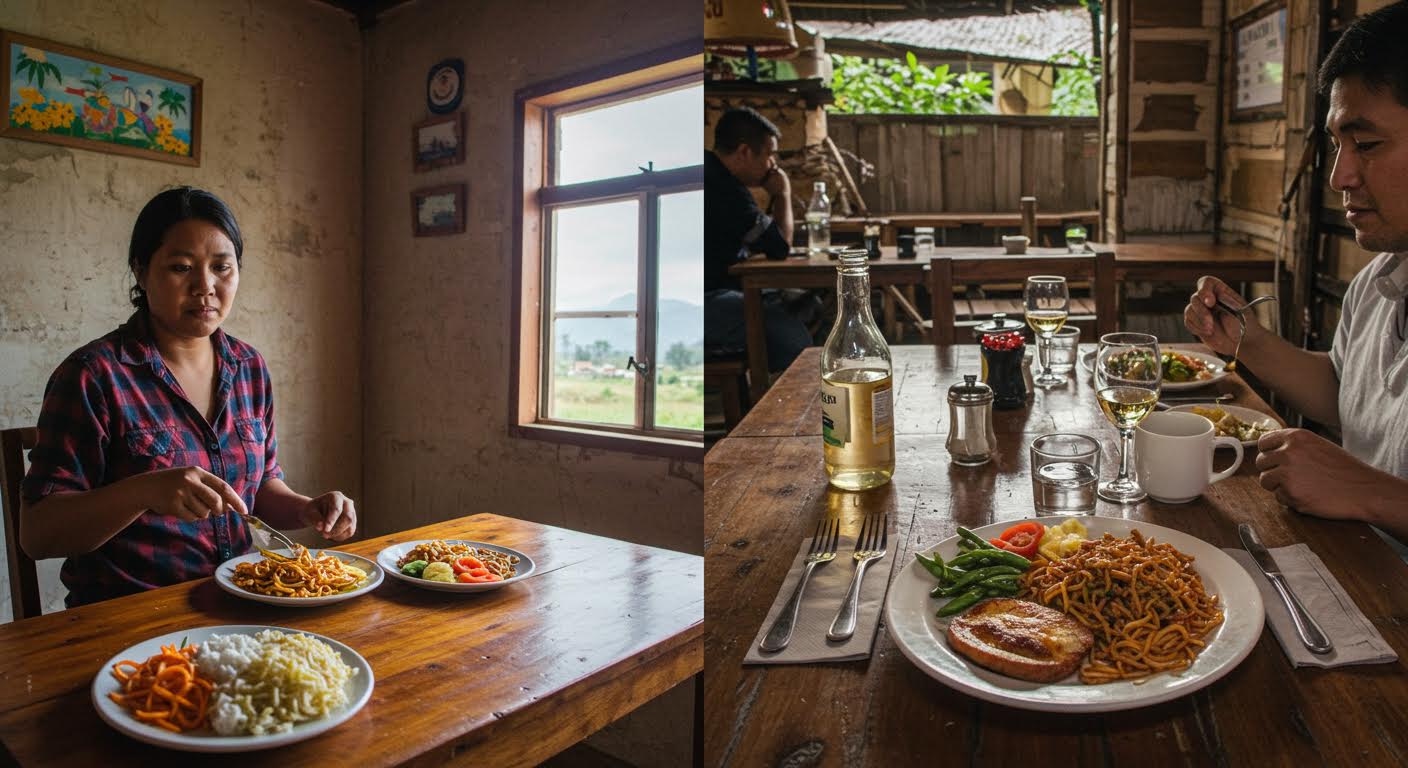
Ecuador's vibrant food scene presents a delicious dilemma: should you cook at home or explore the country's restaurants? From traditional markets overflowing with fresh quinoa and coastal seafood to trendy fusion restaurants in Quito and Guayaquil, your dining choices impact more than just your taste buds—they affect your health, wallet, and connection to Ecuadorian culture.
As Ecuador becomes increasingly urbanized and life gets busier, this choice between home cooking and dining out carries real consequences for your well-being. Let's explore what each option means for your health in Ecuador's unique culinary landscape.
Taking Control: Why Home Cooking Wins for Nutrition
When you cook at home, you're the boss of every ingredient that touches your plate. You can handpick the freshest produce from Ecuador's incredible local markets, control how much salt goes into your food, and adjust portions to match your appetite—not a restaurant's idea of what you should eat.
This control becomes especially valuable when you're working with Ecuador's traditional powerhouse ingredients: protein-rich quinoa, fiber-packed plantains, and antioxidant-loaded purple corn. You can prepare these foods in ways that maximize their nutritional benefits without drowning them in excess oil or sodium.
Restaurant meals tell a different story. Even Ecuador's beloved traditional dishes often get a heavy-handed treatment when prepared commercially. That perfectly grilled corvina might arrive swimming in butter, and your bowl of locro could pack a day's worth of sodium. According to nutrition research, restaurant portions have grown significantly larger over time, making it easy to overeat without realizing it.
But here's the thing—not all restaurant food is nutritional enemy territory. Many traditional Ecuadorian eateries still honor recipes that naturally emphasize fresh seafood, vegetables, and legumes. The trick is knowing where to look and what to order.
Staying Safe: Food Safety in Ecuador's Dining Landscape
Your home kitchen offers something no restaurant can guarantee: complete control over cleanliness and food handling. You know exactly how fresh your ingredients are, whether your hands are clean, and if your chicken reached the right internal temperature. In a country where water quality varies by region, this control isn't just convenient—it's essential for staying healthy.
Ecuador's Ministry of Health does regulate commercial food establishments with inspections and hygiene requirements, but enforcement can be inconsistent. While upscale restaurants and tourist-focused establishments typically maintain high standards, smaller local spots and street vendors may present higher risks.
When you do dine out, become a food safety detective. Choose busy places with high turnover (fresh ingredients), observe kitchen cleanliness when possible, and make sure hot foods arrive actually hot. Be extra cautious with raw preparations like ceviche, especially if you're not confident about the establishment's standards.
Honoring Tradition: Cultural Authenticity on Your Plate
Traditional Ecuadorian cooking carries centuries of nutritional wisdom. Home preparation lets you preserve these time-tested techniques: steaming tamales in corn husks, slow-simmering bone-rich broths, and incorporating nutrient-dense indigenous ingredients like amaranth and chia seeds that many restaurants overlook.
When restaurants adapt traditional recipes, they often sacrifice authenticity for efficiency or broader appeal. That homestyle sancocho your grandmother made over hours might become a rushed, MSG-enhanced version at a commercial establishment. Traditional coastal ceviche relies on citrus acids for its "cooking" process, but some restaurants add artificial preservatives or extra sugar to extend shelf life.
Ecuador's diverse regions—from the Andes to the Amazon—each have distinct culinary traditions. Home cooking allows you to explore authentic regional variations that restaurants may not represent accurately or may blend together for mass appeal.
The Money Factor: Economics of Eating Well
Ecuador's local markets offer incredible value for home cooks. You can fill your kitchen with fresh, seasonal produce for a fraction of what you'd spend dining out, while supporting local farmers and maintaining connection to traditional food systems.
However, the true cost equation includes your time and energy. For busy families juggling work and responsibilities, restaurant meals might seem economically justified when you factor in shopping, cooking, and cleanup time. The challenge lies in finding affordable restaurant options that don't sacrifice nutrition for convenience.
Whether you're shopping for groceries or scanning restaurant menus, budget constraints can push you toward less healthy choices. The goal is getting maximum nutritional bang for your buck, regardless of where you eat.
Smart Strategies for Healthy Eating Anywhere
Success in Ecuador's food landscape requires game plans for both home and restaurant dining. At home, embrace Ecuador's incredible ingredient diversity: Pacific coast fish, highland vegetables, tropical fruits, and ancient grains. Master simple techniques that highlight natural flavors without heavy processing.
For restaurant dining, do your homework. Research establishments beforehand, don't be shy about asking how dishes are prepared, and request modifications when needed. Many Ecuadorian restaurants happily accommodate requests for less salt, dressing on the side, or extra vegetables.
Portion awareness matters everywhere. At home, use smaller plates and cook appropriate amounts. When dining out, consider sharing dishes or saving half for tomorrow—restaurant portions often exceed what your body actually needs.
The Bottom Line: Finding Your Healthy Balance
The healthiest approach isn't choosing sides—it's using both options strategically. Home cooking provides your foundation: better nutritional control, budget management, and connection to authentic Ecuadorian culinary traditions. Regular home meal prep builds valuable cooking skills and helps establish consistent healthy eating patterns.
Smart restaurant dining adds social enjoyment, cultural exploration, and occasional convenience without derailing your health goals. The secret lies in making informed choices and maintaining nutritional awareness wherever you eat.
Your personal situation—cooking skills, available time, budget, and health needs—will determine your ideal balance. People with specific dietary requirements or chronic conditions might benefit more from home cooking's precision, while others can maintain excellent health through careful restaurant selection.
Rather than seeing this as an all-or-nothing decision, develop competence in both areas. Build strong home cooking skills while learning to navigate Ecuador's restaurant scene healthfully. This balanced approach lets you fully enjoy Ecuador's rich food culture while supporting your long-term health and well-being.