Dining In vs Dining Out in Ecuador: Which Is Better for Your Health?
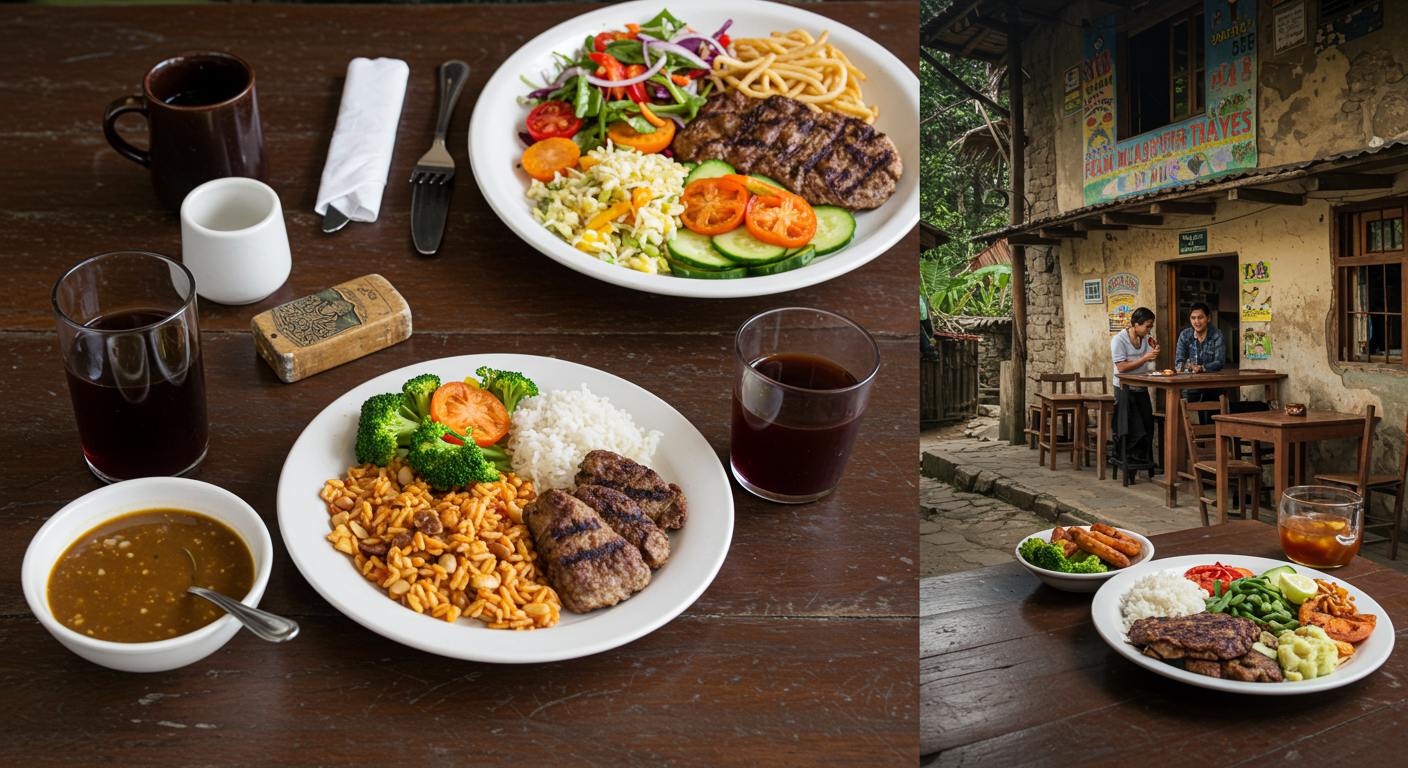
When people ask whether dining in or dining out is better for health, the short answer is usually dining in. Cooking at home gives you more control over ingredients, portion sizes, and preparation methods, which makes balanced eating easier.
That said, eating out in Ecuador is not automatically unhealthy. A restaurant meal can fit into a healthy routine depending on what you order, how often you eat out, and how the food is prepared. The real question is not whether one option is always good and the other always bad. It is about understanding the tradeoffs.
The Short Answer: Dining In Usually Gives You More Health Control
Home cooking usually has the health advantage because you decide what goes into the meal. You can use less salt, less oil, and less sugar. You can also build meals around vegetables, beans, eggs, fish, fruit, and other minimally processed foods.
By contrast, restaurant food puts many of those decisions in someone else’s hands. Even when a dish sounds healthy, it may contain more sodium, fat, refined starches, or rich sauces than you would use at home. That does not make every restaurant meal unhealthy, but it does mean you usually have less control.
Why Eating at Home Often Has the Health Edge
One of the biggest benefits of eating at home is ingredient control. If you are trying to manage weight, blood pressure, blood sugar, or simply eat more nutritiously, cooking for yourself makes it easier to choose what to include and what to limit.
It is also easier at home to create balanced plates. You can include more vegetables, legumes, whole grains, and sensible portions of protein without relying on oversized servings or heavy side dishes. Home meals also make it easier to repeat good habits over time, which matters more than any single lunch or dinner.
Preparation style matters too. At home, you can boil, steam, grill, roast, or bake instead of fry. That flexibility can make a meaningful difference, especially for people trying to cut back on excess oil or calorie-dense foods.
Where Dining Out Can Work Against Healthy Eating
Restaurant meals can be tricky because portions are often larger than most people need. A plate may include generous servings of rice, fries, bread, cheese, or creamy sauces, plus a sweetened drink on the side. Taken together, that can make an ordinary meal much heavier than expected.
Another challenge is hidden ingredients. Diners cannot always tell how much salt, oil, butter, sugar, or sauce has been added. Even dishes that seem lighter can become less healthy when they come with fried toppings, rich dressings, or oversized sides.
Takeout and quick-service meals can make this even easier to overdo. Convenience often leads people to eat quickly, eat more, or add extras they might skip if they were cooking at home.
The Ecuador Context: Healthy Choices Depend on the Dish
In Ecuador, as in many places, the healthfulness of a meal depends less on whether it is local or international and more on the specific dish, its preparation, and the portion size. A simple soup, grilled fish, beans, vegetables, or a straightforward lunch plate may fit well into a healthy diet. A heavily fried meal with sugary drinks and large starchy sides may be much harder to balance.
That is why broad judgments are not very useful. Ecuador offers many meals that can be light and nourishing, but the final result still depends on how the food is cooked and what comes with it. Fried items, creamy additions, processed snacks, and oversized portions can quickly change the nutrition profile of a meal.
For readers trying to make practical choices, simpler plates are often the safer bet. Soups, seafood, grilled meats, legumes, vegetables, and fruit usually offer a better starting point than meals built around deep frying or ultra-processed ingredients.
When Dining Out in Ecuador Can Still Be a Healthy Option
Dining out can absolutely be part of a healthy lifestyle. For many people, restaurant meals are part of workdays, travel, family gatherings, or social life. The goal is not perfection. It is making better choices more often.
If you eat out regularly, a few habits can help. Choose water instead of sugary drinks when possible. Pay attention to portion size. Favor grilled, roasted, boiled, or soup-based dishes over fried options. Be cautious with creamy sauces, extra cheese, and heavy dressings, which can add more fat and calories than expected.
It also helps to think in patterns. One restaurant meal is rarely the problem by itself. Health usually reflects what you do most of the time, not what you order once in a while.
How to Make Dining In Healthier Without Making It Hard
Cooking at home sounds ideal, but real life can make it difficult. Time, budget, kitchen access, and daily routines all shape what is realistic. The healthiest plan is usually the one you can actually maintain.
Meal planning can make home cooking easier. So can batch cooking, preparing staples in advance, and keeping simple ingredients on hand. Beans, eggs, rice, vegetables, fruit, canned fish, and other basic foods can help you put together meals quickly without relying on takeout every time you are busy.
Home cooking does not need to be elaborate. A healthy meal can be simple: beans with vegetables, eggs and salad, grilled fish with rice and vegetables, or a homemade soup with a piece of fruit. Consistency matters more than complexity.
A Simple Way to Decide: What Matters Most for Your Routine
If your main goal is better control over calories, salt, ingredients, or a specific dietary need, dining in usually gives you the advantage. It is often the easier option for people managing blood pressure, weight, or other nutrition-related concerns.
If your schedule requires restaurant meals, dining out can still work. The key is to order with intention and keep the bigger picture in mind. A carefully chosen lunch during a busy workday can fit into a healthy pattern, especially if most of your other meals are balanced.
Instead of asking whether one meal was perfect, it is more helpful to ask what your routine looks like across the week. That is usually where health outcomes are shaped.
Bottom Line: Better for Health Usually Means More Home Cooking, Not Never Eating Out
For overall health, dining in usually comes out ahead because it gives you more control over nutrition, ingredients, and portion size. That control makes it easier to build better habits over time.
Still, dining out in Ecuador can be part of a healthy lifestyle. Thoughtful ordering, moderate portions, and simpler preparations can make restaurant meals work well for many people.
In practice, the healthiest approach is often not choosing one side forever. It is building a routine centered on home cooking while making smarter restaurant choices when you do eat out.