Dining In vs Dining Out in Ecuador: Which Is Better for Your Health?
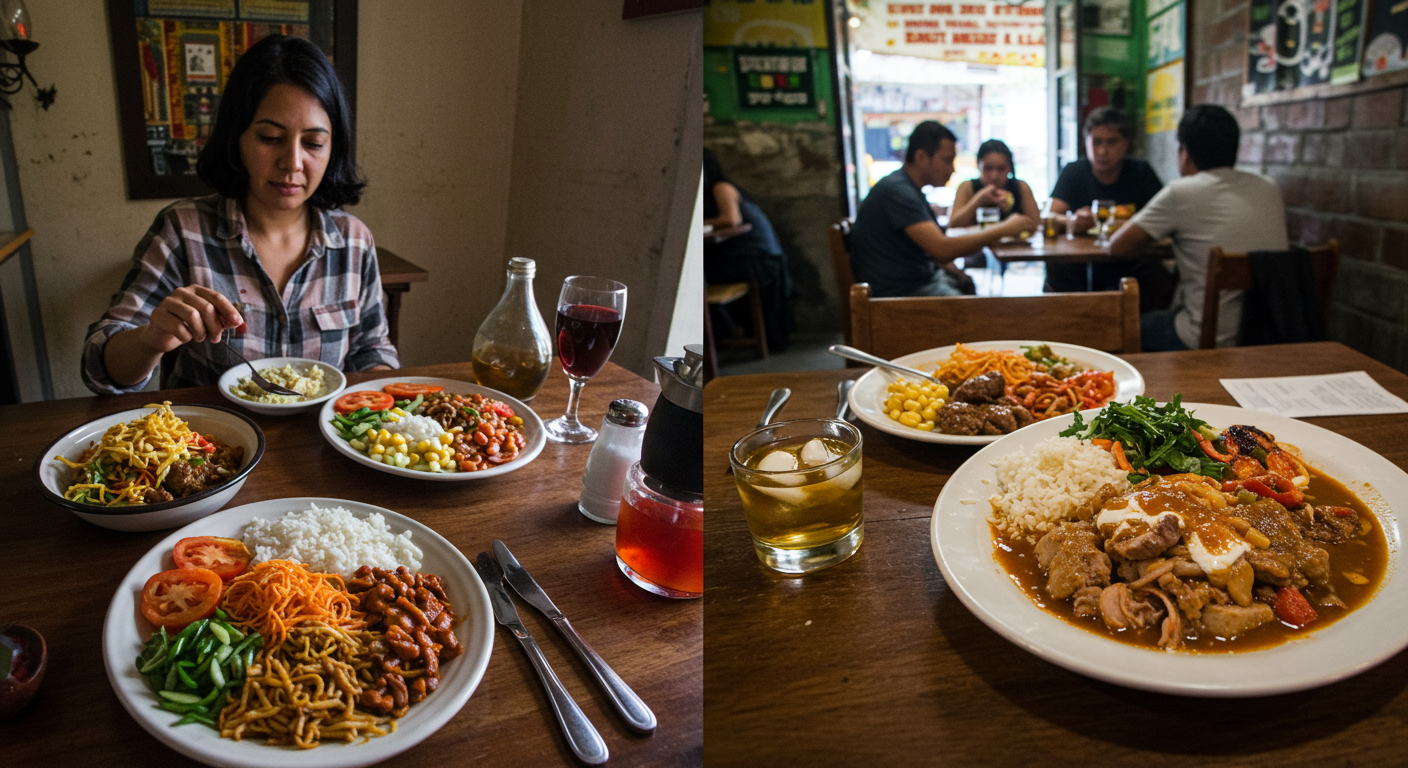
Ecuador's food scene is changing fast. While families have traditionally gathered around home-cooked meals made with fresh local ingredients, a booming restaurant industry is transforming how people eat. For anyone living in or visiting Ecuador, this raises an important question: which option is actually better for your health?
Whether you're exploring the vibrant markets of Quito or enjoying coastal cuisine in Guayaquil, understanding the health impact of your dining choices matters more than ever. Let's dig into the real differences between cooking at home and eating out in Ecuador.
Nutrition: Home Cooking Takes the Lead
When it comes to getting the nutrients your body needs, home cooking has a clear advantage in Ecuador. Traditional Ecuadorian home kitchens showcase incredible ingredients like quinoa, black beans, plantains, and fresh seafood – creating meals packed with fiber, protein, and essential vitamins.
The biggest benefit of cooking at home? You're in complete control. Want to cut back on salt? Easy. Need to avoid certain oils due to health concerns? No problem. Trying to sneak more vegetables into classic dishes like locro de papa or seco de cabrito? You're the chef.
Restaurant meals, while delicious and convenient, often come loaded with extra sodium, unhealthy fats, and more calories than you'd use at home. Portions tend to be supersized, and kitchens prioritize flavor over nutritional balance. That said, quality restaurants focusing on traditional Ecuadorian cuisine can absolutely be part of a healthy diet if you know what to order.
The cooking methods matter too. At home, you can steam, bake, or lightly sauté to preserve nutrients. Commercial kitchens often rely on faster, less gentle techniques that may strip away some of the good stuff your body needs.
Food Safety: It's Complicated
Food safety creates an interesting comparison between home and restaurant dining in Ecuador. At home, you control every aspect of cleanliness and ingredient quality – but you also need to know what you're doing when it comes to safe food handling.
Ecuador's Ministry of Public Health sets strict standards for restaurants, including regular inspections and mandatory food safety protocols. Licensed establishments must follow specific rules for storing, handling, and preparing food. The catch? Not every restaurant maintains the same standards, and compliance varies widely depending on the type of establishment and location.
Water quality deserves special attention in Ecuador. While restaurants in tourist zones and major cities typically use treated or bottled water, smaller local spots might not be as careful. When you cook at home, you know exactly what water you're using and can treat it properly if needed.
Whether you're eating at home or out, preventing foodborne illness requires attention to detail. Restaurants have the advantage of professional training and systematic temperature controls, but home cooks who learn proper safety techniques can be just as effective.
Money Talks: Economic Impact on Health
Your food budget directly affects your health options in Ecuador, and home cooking typically gives you more bang for your buck. Ecuador's incredible markets overflow with fresh, affordable produce that makes nutritious home cooking a smart financial choice.
Traditional Ecuadorian eating patterns – mostly practiced at home – center around foods that naturally support good health: whole grains, legumes, fresh fruits, and vegetables. These time-tested food combinations have kept Ecuadorian families healthy for generations and align perfectly with what nutritionists recommend today.
As more people move to cities, though, these patterns are shifting. Restaurant meals become more tempting when you're busy, but they often mean more processed foods and fewer essential nutrients per dollar spent.
Location makes a huge difference. If you live in a rural area with access to farm-fresh ingredients, home cooking is both cheaper and more nutritious. City dwellers might find quality ingredients pricier and harder to find, narrowing the cost gap between cooking and dining out.
What the Health Data Shows
The numbers tell a concerning story. Ecuador is seeing rising rates of obesity, diabetes, and heart disease, especially in urban areas where people have moved away from traditional home-cooked meals.
Communities that still center their diets around home-prepared meals show consistently better health outcomes. They eat more fiber, get more essential nutrients, and consume fewer processed ingredients that can harm long-term health.
Ecuador's Ministry of Public Health has responded with programs promoting healthier dining choices and requiring restaurants to provide nutritional information. These initiatives recognize that where and what people eat significantly impacts public health.
International health organizations praise Ecuador's agricultural diversity while expressing concern about changing eating patterns. The country has amazing raw materials for healthy eating, but increased reliance on processed foods poses growing risks.
Making Smart Choices When You Dine Out
Eating healthy at restaurants requires some strategy. Look for places that highlight fresh, local ingredients and traditional cooking methods. Don't hesitate to ask how dishes are prepared or request modifications like less salt or oil. Choose restaurants that obviously prioritize cleanliness and food safety.
When cooking at home, take full advantage of Ecuador's amazing variety of fresh produce, whole grains, and lean proteins. Local markets offer the freshest ingredients at unbeatable prices. Invest time in learning proper food safety techniques, especially for handling seafood and ensuring water quality.
The healthiest approach probably combines both options strategically. Make home cooking your foundation – you'll save money and have complete control over what goes into your body. When you do eat out, treat it as a chance to socialize while still making choices that support your health goals.
Seek out restaurants that showcase Ecuador's incredible local ingredients in healthy preparations. Support establishments that clearly care about both food safety and nutrition.
Consider your personal situation too. If you have specific dietary needs, chronic health conditions, or a tight budget, home cooking will likely serve you better. If you're constantly busy, focus on finding high-quality restaurant options that align with your health goals rather than defaulting to whatever's convenient.