Cuenca’s Huevo de Faldiquera Still Carries the Spirit of Corpus
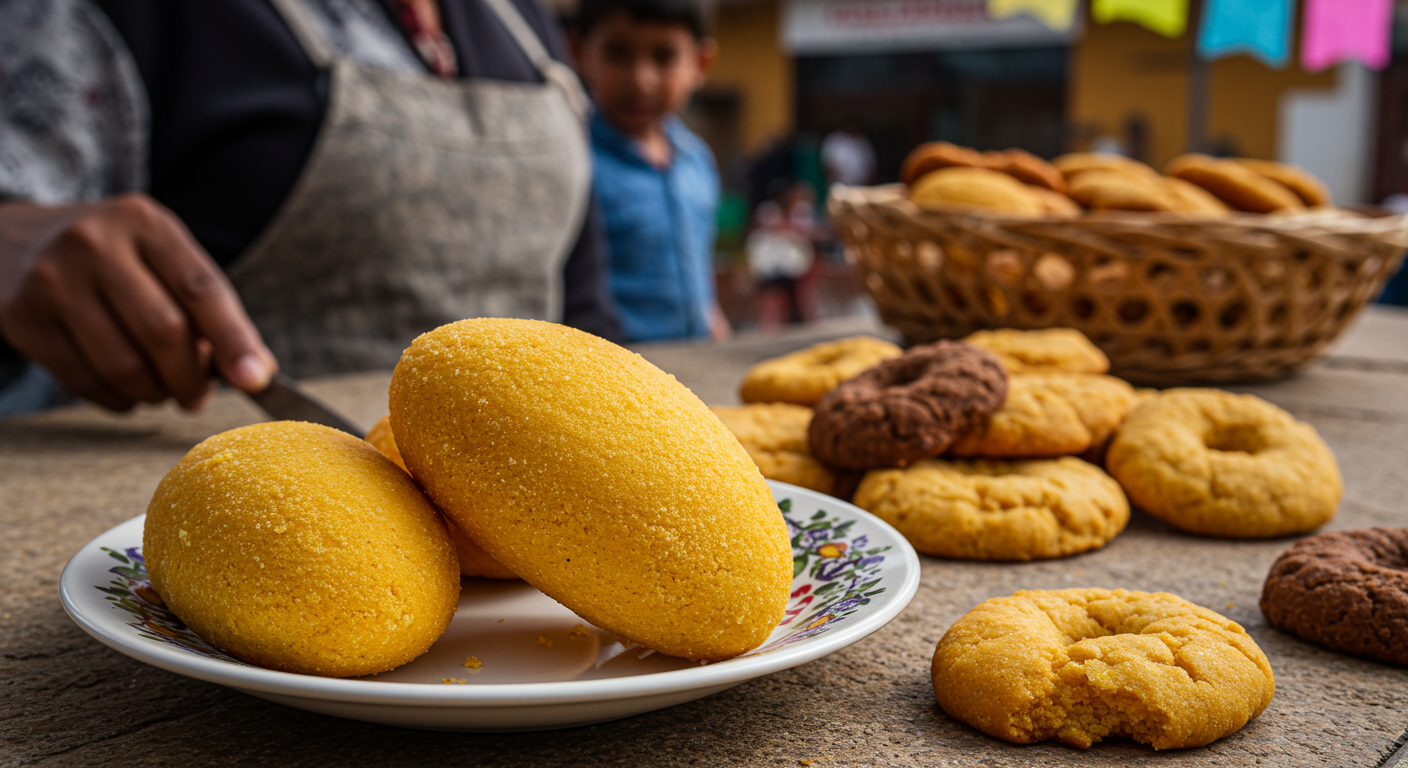
Among Cuenca’s traditional festival sweets, few names are as memorable as huevo de faldiquera. Closely associated with the city’s Corpus season, it stands out not just for its simplicity but for the story attached to it: a modest bite said to have once traveled in a worker’s pocket.
That blend of food, memory, and local storytelling helps explain its lasting appeal. Even when exact historical details shift from one retelling to another, huevo de faldiquera remains firmly embedded in Cuenca’s traditional confectionery culture.
What Is Huevo de Faldiquera?
Huevo de faldiquera is widely described as one of Cuenca’s most traditional sweets, especially during Corpus Christi. Its unusual name is part of what makes it distinctive. The word faldiquera refers to a pocket, which helps explain why the sweet is so often linked to portability, thrift, and everyday rural life.
As with many regional specialties, some of the most repeated details about its origin survive through local accounts, popular memory, and regional reporting rather than through a single definitive historical source. That does not lessen its place in local culture, but it does mean some claims are best understood as tradition rather than firmly documented fact.
Why It Matters During Corpus in Cuenca
Corpus in Cuenca brings together religion, public celebration, and seasonal food traditions. Turismo de Cuenca and the Diputación de Cuenca regularly present local gastronomy as part of the city’s cultural identity, and festival sweets play a visible role in that picture.
In that setting, sweets like huevo de faldiquera are more than something to eat. They mark a particular time and place, returning with the season and reconnecting residents and visitors with familiar customs. Their value is not only in flavor but in recognition: they form part of how the city remembers itself during one of its best-known festive periods.
The Pocket-Snack Origin Story
The most commonly repeated account of huevo de faldiquera is that it was a practical sweet for field workers, small enough to be carried in a pocket, or faldiquera. In local retellings, that portability is central both to the sweet’s identity and to the explanation for its name.
The story fits the broader logic of traditional rural snacks: simple, affordable, easy to carry, and well suited to long hours of physical work. Still, it is best treated as a widely shared local explanation rather than a fully documented historical fact unless tied to a named source. Its importance lies in what it reveals about how people in Cuenca understand the sweet today.
The 15-Cent Claim, in Context
Another detail often attached to huevo de faldiquera is that it once cost 15 cents. That figure is best read as a historical or anecdotal reference that reinforces the sweet’s reputation for being humble and accessible.
Without a clearly dated price source, it is safer to treat the 15-cent claim as part of local memory rather than as a precise benchmark. Even so, the meaning behind the story is clear: this was remembered as an everyday sweet, not a luxury item, and its modest price became part of its folklore.
How Locals Encounter It Today
Today, people are most likely to encounter huevo de faldiquera during Corpus season and around Cuenca’s traditional bakeries, pastry shops, and festival sweet displays. Its continued presence reflects the role that small food businesses and seasonal demand play in preserving local specialties.
Like many traditional confections, it survives not only through sales but through repetition. People look for it because they already know the name, remember it from earlier celebrations, or see it as part of the city’s edible heritage.
Why Traditional Sweets Like This Endure
Huevo de faldiquera endures because it offers something larger than its size suggests. It carries a story of work, thrift, festivity, and place, all wrapped into a small sweet that remains recognizable across generations.
That is often how traditional foods survive: not through grandeur, but by staying close to daily life and local ritual. In Cuenca, especially around Corpus, sweets like this still matter because they connect celebration with memory. And while some of their most charming details belong to popular lore, their cultural presence is unmistakably real.