Cuenca's Culinary Evolution: How the Local Dining Scene Is Transforming
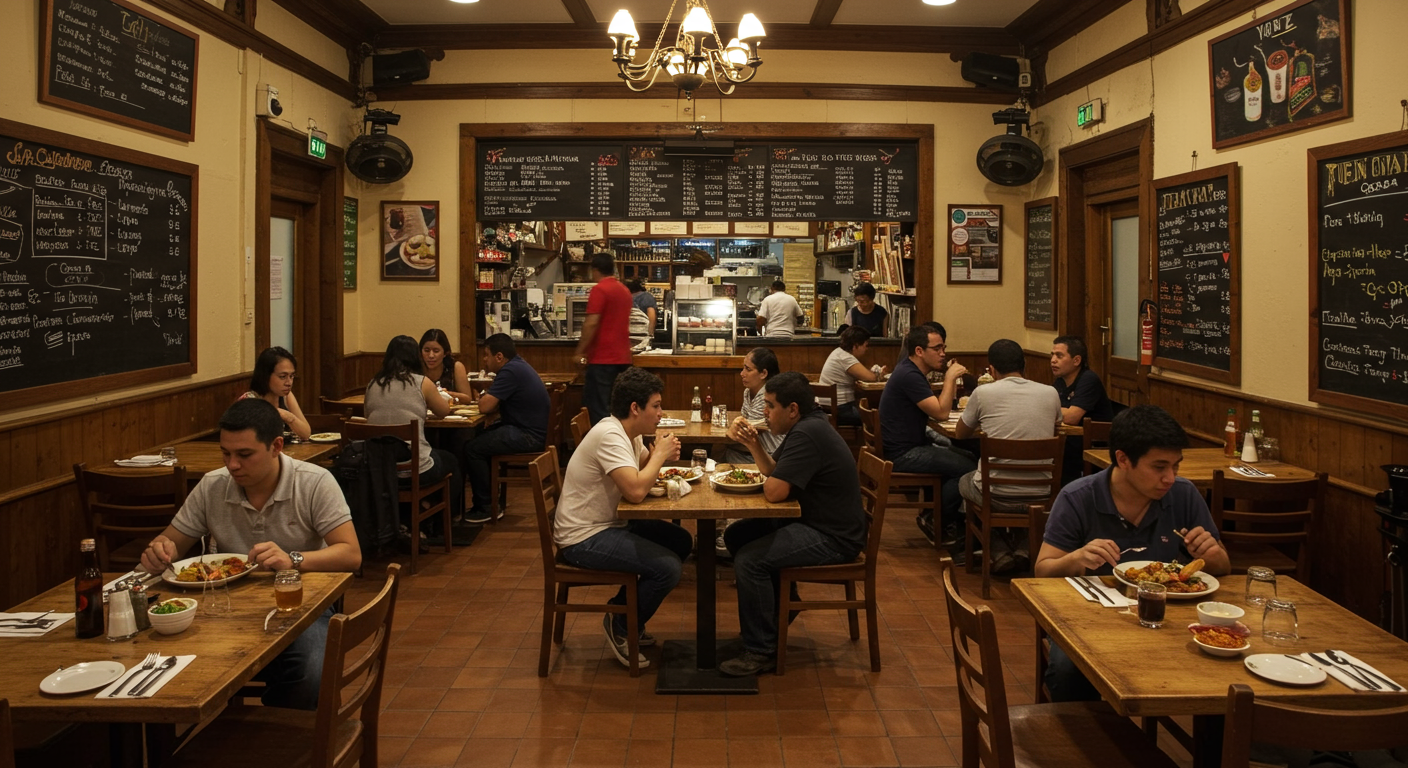
Cuenca's dining scene is experiencing something special. What was once a city known primarily for traditional Ecuadorian fare has blossomed into a vibrant culinary destination where time-honored recipes meet global flavors and modern techniques. This transformation reflects both the city's growing international appeal and the creative energy flowing between longtime residents and newcomers.
The Foundation: Traditional Cuencano Cuisine
The story of Cuenca's food begins with its deep culinary roots, shaped by indigenous Cañari traditions and Spanish colonial influences. Walk into any traditional restaurant, and you'll encounter the dishes that define this city's gastronomic soul: cuy asado (roasted guinea pig), hornado (slow-roasted pork), and mote pillo (hominy scrambled with eggs).
What makes these dishes special isn't just the recipes—it's how they're prepared. Many restaurants still use wood-fired ovens and clay pots, techniques that create flavors you simply can't replicate with modern equipment. Local ingredients like choclo (Andean corn), fresh trout from mountain streams, and highland potatoes bring authentic taste that connects every meal to the surrounding landscape.
Family-run establishments scattered throughout Cuenca's neighborhoods serve as guardians of these traditions. These aren't just restaurants—they're cultural institutions where recipes passed down through generations continue to tell the story of Cuencano identity, even as they adapt to changing tastes and dining styles.
The New Wave: Contemporary Restaurant Scene
Over the past few years, Cuenca has witnessed an exciting restaurant boom. New establishments are opening regularly, many led by passionate chefs who see opportunity in applying modern techniques to traditional ingredients. The result? Innovative takes on classic Ecuadorian dishes that surprise and delight both locals and visitors.
These contemporary spots often feature open kitchens where you can watch the culinary magic happen, craft cocktail programs that showcase local spirits and fruits, and carefully selected wine lists that complement Ecuadorian flavors. The focus is on elevating the dining experience while respecting culinary traditions.
Not every new venture succeeds, of course. Economic challenges and shifting consumer preferences have led to some closures. But this natural evolution has created space for stronger concepts to flourish and established restaurants to refine their approach, ultimately benefiting diners with better options.
Cultural Fusion: Where International Meets Local
Some of Cuenca's most exciting dining happens where international cooking styles meet local ingredients. Italian trattorias serving pasta with Andean vegetables, Asian restaurants incorporating highland produce, Mediterranean-inspired menus featuring local seafood and mountain herbs—these fusion concepts create entirely new flavor experiences.
The most successful fusion restaurants understand that adaptation, not imitation, is key. They source fresh, local ingredients and apply international techniques and spices to create something unique to Cuenca. This approach appeals to adventurous locals curious about global flavors and expatriates seeking familiar tastes with local character.
Even traditional establishments are getting in on the action, expanding their menus to include international dishes alongside time-tested favorites. It's a reflection of Cuenca's increasingly cosmopolitan character without losing its authentic Ecuadorian heart.
The Expat Effect: How International Residents Shape Dining Trends
Cuenca's substantial expat community has become a driving force in the city's culinary evolution. These international residents have created demand for dietary accommodations that were once rare—vegetarian, vegan, and gluten-free options now appear on menus throughout the city.
Many expatriates have become restaurant owners themselves, introducing authentic international cuisines while raising service standards across the industry. These establishments often become cultural meeting points where locals discover new flavors and expats find comfort in familiar tastes prepared with local flair.
The international community's presence has also influenced pricing and service expectations. Many restaurants now offer more polished service styles, expanded beverage programs featuring imported wines and craft beers, and dining experiences that cater to diverse cultural expectations.
Neighborhood Spotlight: Dining Districts and Emerging Areas
Cuenca's historic center remains the crown jewel of its dining scene. Restaurants housed in beautifully restored colonial buildings create atmospheric experiences that complement the city's UNESCO World Heritage status. These tend to be the spots for special occasions and tourist dining, offering refined presentations of both traditional and contemporary cuisine.
But don't overlook the emerging neighborhoods. Areas like El Vergel and the zones around the University of Cuenca are attracting food entrepreneurs with creative concepts, lower overhead costs, and younger customer bases. Here you'll find casual eateries, innovative coffee shops, and experimental cuisine that pushes boundaries.
For the most authentic experiences, venture into residential neighborhoods where local favorites serve genuine regional dishes at modest prices. These community-centered establishments offer the best window into everyday Cuencano food culture beyond the tourist trail.
Price Points and Accessibility: Dining for Every Budget
One of Cuenca's greatest dining strengths is its accessibility. You can enjoy excellent meals whether you're spending fifty cents on street food or fifty dollars on an upscale dinner. This range keeps quality dining within reach for locals while offering luxury options for special occasions.
Street food remains central to daily life here. Vendors selling salchipapas, empanadas, and fresh fruit preparations offer authentic flavors at unbeatable prices. Markets provide another layer of affordable, authentic dining with prepared foods that showcase seasonal local produce.
Mid-range restaurants deliver exceptional value—generous portions of well-prepared food in comfortable settings, often featuring combination plates that let you sample multiple dishes without breaking the budget.
Must-Try Experiences: Local Specialties and Hidden Gems
When visiting Cuenca, prioritize the dishes that truly define this region's culinary character. Cuy asado tops the list, though preparation styles vary dramatically between restaurants. It's traditionally served with papas doradas (golden potatoes) and mote (hominy), creating a complete flavor profile that represents centuries of culinary tradition.
Pay attention to seasonal specialties that reflect the agricultural rhythms of the surrounding highlands. Choclo con queso (corn with cheese) peaks during harvest season, while hearty soups become prominent during cooler months.
The best insider tip? Ask locals for their neighborhood favorites. These hidden gems might lack tourist visibility but offer exceptional authenticity and value, typically specializing in one or two dishes perfected through years of practice and family tradition.
Post-Pandemic Changes: Adaptation and Innovation
COVID-19 accelerated changes that were already brewing in Cuenca's restaurant scene. Delivery services expanded rapidly, outdoor dining became more popular, and many establishments developed robust takeout operations to maintain customer connections during restrictions.
The health protocols introduced during the pandemic have largely stuck around, resulting in improved ventilation, enhanced cleaning procedures, and modified service styles that have generally enhanced the dining experience while addressing contemporary health concerns.
The pandemic period also sparked innovation in restaurant concepts. Ghost kitchens and pop-up restaurants emerged with lower overhead costs and greater operational flexibility, adding diversity to the food scene while providing entrepreneurs opportunities to test new concepts with minimal risk.
Today's Cuenca dining scene reflects this spirit of adaptation and creativity—a culinary landscape that honors its traditional roots while embracing change, creating exciting possibilities for both diners and the passionate people who feed them.