Cuenca's Craft Beer Revolution: Eight Microbreweries Challenge Pilsener and Club's Dominance
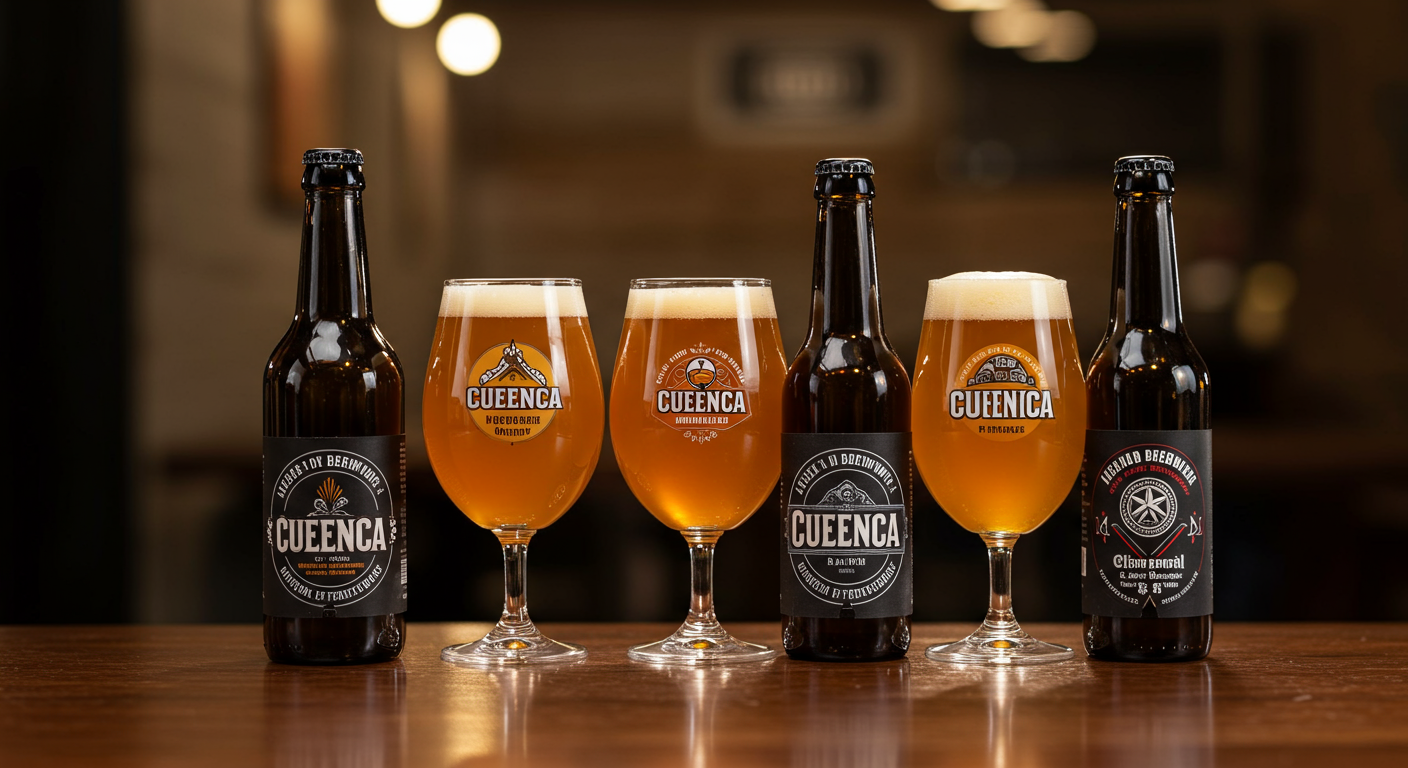
Ecuador's cultural capital is brewing up something special. Cuenca, long dominated by the familiar yellow cans of Pilsener and Club, now boasts eight thriving microbreweries that are steadily claiming precious shelf space in bars, restaurants, and stores across the city.
From Two Beers to Eight Breweries
For decades, Ecuador's beer scene was essentially Pilsener versus Club—end of story. But this sleepy duopoly started cracking in Cuenca as local entrepreneurs spotted an opportunity to serve the city's growing expat community and increasingly adventurous local drinkers.
The shift didn't happen overnight. Cuenca had all the right ingredients: UNESCO World Heritage status that celebrates craftsmanship, a vibrant cultural scene, and residents who were ready to embrace something beyond mass-market lagers.
What started as a few passionate brewers experimenting in small batches has evolved into a legitimate craft beer scene that's reshaping how Cuencanos think about their evening drink.
The Local Brewing All-Stars
Tagui led the charge as one of Cuenca's craft beer pioneers. Named after a local indigenous term, this brewery built its reputation on traditional methods and local ingredients, creating distinctly Andean flavors you won't find in a Pilsener.
Asiringui takes things further back in time, incorporating indigenous ingredients and brewing techniques that honor pre-Columbian fermentation traditions. Think local grains and Andean herbs creating flavors that tell the story of this region.
Nórdica brings an unexpected twist—Nordic brewing techniques adapted for the Andes. It sounds unlikely, but they've mastered the art of applying Scandinavian brewing wisdom to local ingredients and climate.
CBC (Cuenca Brewing Company) focuses on scaling up without selling out. They're the bridge between craft authenticity and broader availability, emphasizing consistent quality that can reach more taps and tables across the city.
Four other microbreweries round out the scene, each with their own specialty—from crisp German-style lagers to hop-forward IPAs that would make Portland proud.
The Great Shelf Space Battle
Walk into almost any restaurant in Cuenca's historic center today, and you'll see the revolution in action. Coolers that once held only Pilsener and Club now showcase colorful local labels. Some establishments have gone all-in, dedicating entire sections to Cuenca's craft offerings.
The adoption varies by venue. Upscale restaurants and gastropubs jumped on local brews early, seeing them as a way to offer something special to both locals and tourists hunting for authentic experiences. Traditional cantinas took longer to come around, though most now pour at least one local option.
Even supermarkets have gotten with the program, creating dedicated craft beer sections that would have been unthinkable just five years ago. Specialty stores focusing entirely on artisanal products have popped up, giving local brewers new ways to reach thirsty customers.
The response from drinkers has been enthusiastic. Many Cuencanos express genuine pride in supporting local businesses while discovering they actually prefer these new flavors to what they've been drinking for decades.
Why Cuenca Was Ready for This Revolution
Cuenca's craft beer boom isn't random luck. The city's UNESCO status created a culture that values authenticity and artisanal quality—perfect soil for craft brewing to take root.
The substantial expat community, especially retirees from craft beer-loving countries, provided crucial early customers willing to pay premium prices for variety and quality.
Cuenca also has a strong small business culture. From artisanal crafts to specialty foods, the city supports locally-owned, quality-focused enterprises. Microbreweries fit right into this ecosystem.
Tourism added fuel to the fire. Visitors don't want to drink the same beer they can get in Quito—they want to taste something uniquely Cuencan, and local breweries deliver exactly that experience.
The Business Behind the Brews
These eight microbreweries represent real economic impact. Each typically employs five to fifteen people directly, from brewmasters to sales staff, with ripple effects throughout the local economy.
The challenges are real, though. Importing specialized equipment and ingredients costs a fortune, while regulatory requirements often favor big producers. Getting through licensing and health approvals can take months for small operations.
Despite the hurdles, the economic benefits extend far beyond the breweries themselves. They source locally when possible, hire local services, and draw tourists for brewery tours and tastings.
Market trends suggest this growth isn't slowing down, especially as Ecuadorians across all categories increasingly choose local and artisanal over mass-produced options.
What This Means for Your Next Night Out
Cuenca now offers serious variety for beer lovers. Most local breweries cluster in and around the historic center, with several offering tours and tastings—just call ahead to arrange.
Expect to pay 20-40% more than you would for Pilsener or Club. That premium reflects smaller batches, quality ingredients, and local production costs. Most people find the upgrade worth every extra cent.
Beer tourism is now a real thing in Cuenca. Several bars specialize in showcasing multiple local brewers, so you can sample the entire scene in one evening. It's become part of what smart visitors do to experience authentic Cuenca.
The future looks bright, with several more breweries reportedly in planning stages. What we're seeing isn't just a trend—it's a fundamental shift in Cuenca's drinking culture.
These eight microbreweries aren't just changing what people drink in Cuenca. They're part of the city's ongoing evolution as a place where tradition and innovation create something authentically local in an increasingly connected world. One sip at a time, they're proving that sometimes the best things really do come in small batches.