Cuenca’s Corpus Dulceras Keep a Festival Tradition Alive All Year
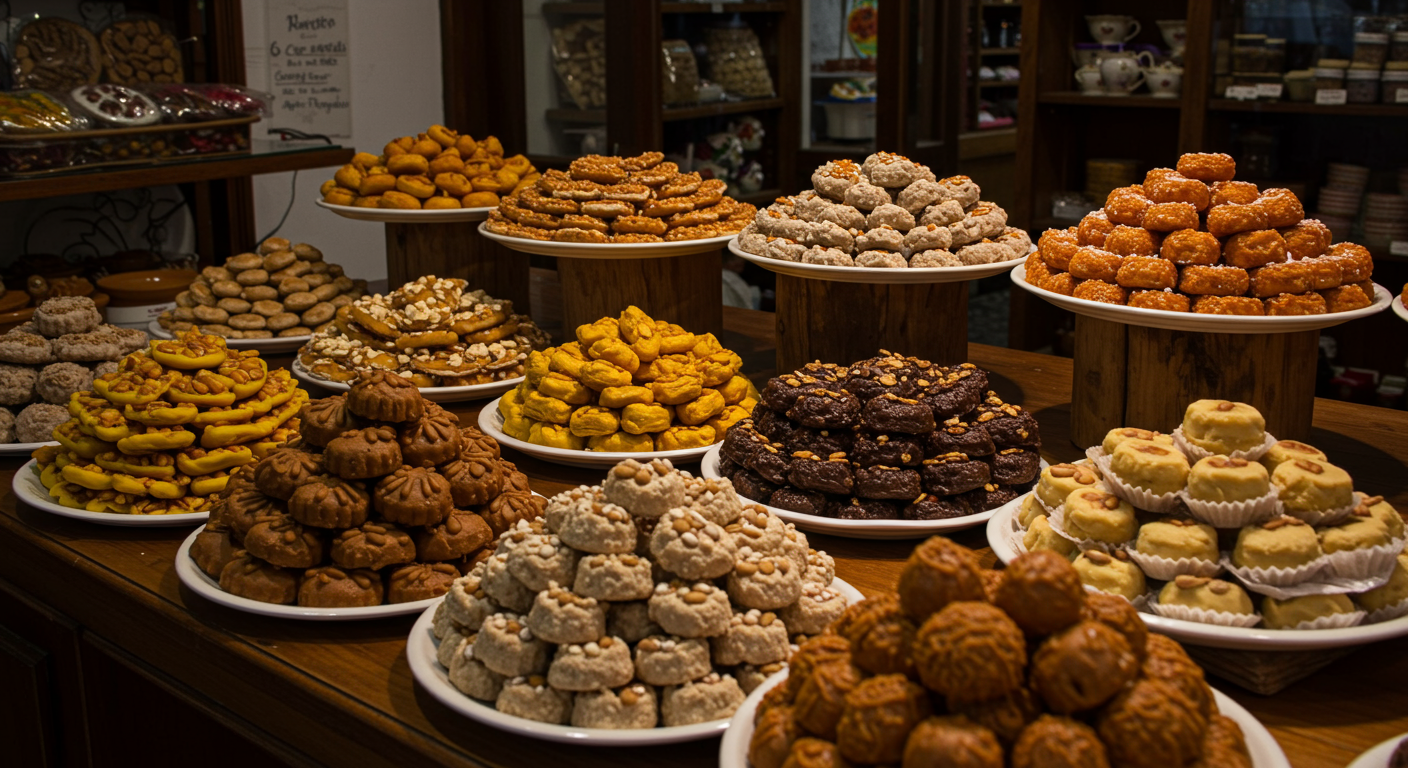
In Cuenca, Corpus Christi is more than a religious observance. It is also one of the city’s most recognizable food traditions, marked by rows of dulceras selling vividly colored sweets that sit somewhere between dessert, craft, and ritual. The Municipality of Cuenca and the Fundación Municipal Turismo para Cuenca have long presented the celebration as part of the city’s cultural identity, while local coverage in El Mercurio has helped turn the women behind the candy tables into symbols of continuity and culinary pride.
These sweets are remembered not only for their flavor, but for their visual impact: towers of sugar, glossy finishes, bright pastels, delicate textures, and the feeling that a public square has briefly become a shared dessert table. In Cuenca, the tradition is widely recognized. Still, some of the headline numbers attached to it are best read as figures reported in local coverage rather than independently verified counts.
What the dulceras reportedly make year-round
Ecuadorian reporting describes a surprisingly broad catalog of Corpus sweets associated with Cuenca, often placing the assortment at around 60 varieties. That range helps explain why the tradition remains so visually compelling. These are not just one signature treat, but a whole family of confections, from crystallized sweets and sugar work to cookies, syrups, and festive candies tied to memory and celebration.
What may look to visitors like a seasonal fair has also been described in local coverage as a year-round artisanal trade. For many dulceras, Corpus Christi is the peak public moment, but the knowledge, preparation, and production do not begin and end with the festival. The craft reportedly continues in home kitchens and small workspaces, where recipes are repeated, adapted, and passed down through generations.
The reported scale of a living marketplace
One figure that often stands out is the reported presence of 143 dulceras. Because the available source set here is strongest at the institutional and outlet level rather than article-specific verification, that number should be understood as a local reported count, not as a newly confirmed tally. Even so, it conveys the scale of what makes Corpus in Cuenca feel distinct: this is not the story of a single storefront, but of a collective marketplace built by many hands and many family traditions.
That concentration of vendors gives the celebration its character. Rather than one brand or pastry shop defining the experience, the tradition is sustained by a network of women producers whose sweets together create a temporary culinary landscape. That communal structure is part of what has helped the practice endure. Seasonal demand brings visibility, but repetition over time helps preserve the recipes, techniques, and social meaning behind them.
From religious celebration to culinary identity
At its core, the sweets tradition belongs to the observance of Corpus Christi. Yet the Fundación Municipal Turismo para Cuenca and other local civic narratives increasingly present it as something broader: a defining part of Cuenca’s gastronomic identity. Reported growth in visitor interest and wider public attention appears to have helped move these dulces from a festival-specific offering to a more durable emblem of the city.
That does not mean the tradition has been fully turned into a commercial product detached from its origins. A more careful reading is that its religious and cultural roots remain central, even as the sweets have gained value as edible symbols of place. In that sense, Cuenca has not replaced ritual with commerce so much as allowed a ritual food tradition to become part of its wider culinary identity.
How the sweets reportedly began reaching buyers abroad
One of the more striking developments in recent Ecuadorian reporting is the suggestion that these sweets are now being shipped to buyers outside the country. Claims that Corpus dulces are reaching destinations around the world should be attributed to those reports, especially since the current source set does not include a producers’ association or export registry confirming the full extent of that reach.
Even so, the idea is plausible in practical terms. Sweets that travel well, can be carefully packaged, and carry strong emotional value often appeal to diaspora buyers and to people sending gifts that express hometown identity. If that demand is growing, it would help explain how a product once tied mainly to a religious calendar could find a market far beyond festival dates.
The result is one of Cuenca’s most compelling food stories: a tradition rooted in faith and local memory, sustained by women’s artisanal labor, and increasingly visible as part of the city’s public image. The dulceras represent more than dessert. They represent continuity, neighborhood knowledge, and the ability of a local celebration to become an enduring culinary calling card.