Cuenca's Basic Basket Hits $895.67 in October, Holding Ecuador's Priciest Spot for a Tenth Month
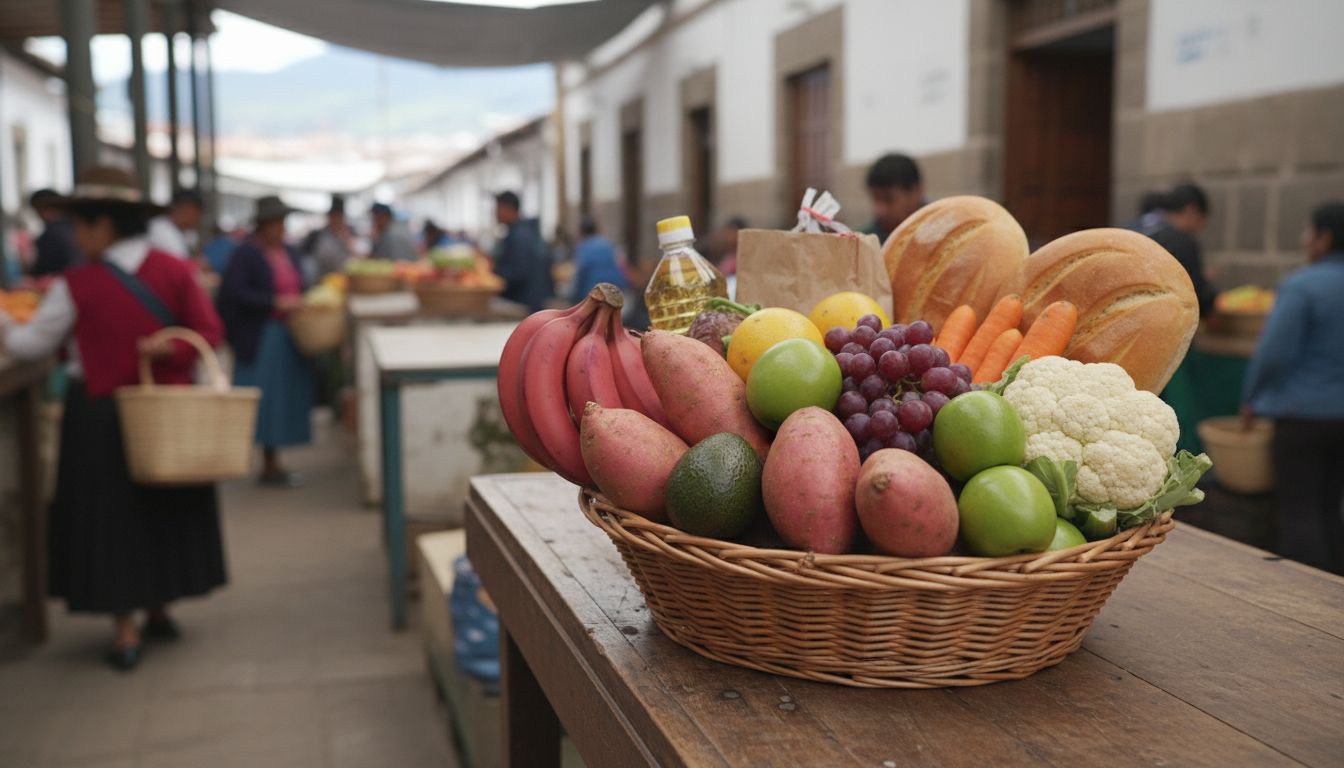
Cuenca's basic family basket, known locally as the Canasta Familiar Básica de Consumo, climbed to USD 895.67 in October 2026, according to Ecuador's national statistics agency, INEC. This figure keeps Cuenca in an uncomfortable position: for the tenth consecutive month, it holds the title of the most expensive basic basket of any major city in the country.
For residents and diners alike, the number is more than a statistic. The basic basket is meant to represent the minimum cost of food, beverages, and other essential goods for an average household, so a sustained climb has real implications for grocery bills and everyday spending. Many observers note that a ten-month streak at the top of the national ranking suggests this isn't a temporary blip but part of a broader, ongoing trend in the city's cost of living.
How Cuenca Compares Nationally
Cuenca's October figure of USD 895.67 sits notably above the national average basket cost of USD 837.36, a gap of roughly USD 58. Loja ranks as the second most expensive city, trailing Cuenca in the latest INEC figures. The persistent gap between Cuenca and the rest of the country has become something of a recurring narrative in local economic reporting, with the city's basket consistently outpacing both the national average and other major urban centers.
A recurring consumer concern raised in local coverage is what this regional disparity actually reflects, whether it points to higher food and beverage costs specific to Cuenca, differences in local market structures, or other factors tied to the city's economy. The available reporting does not fully resolve this question, and readers should treat comparisons between cities with some caution.
What's Driving the Increase
Food and beverage prices are frequently cited as a primary driver behind the basket's climb, though the full breakdown of contributing categories was not detailed in the sources reviewed. Nationally, INEC reported monthly inflation of 0.33% for October 2026, with annual inflation at 1.39% and accumulated inflation for the year at 1.99%.
These national figures provide useful context, but it's worth being cautious about drawing direct causal lines between broad inflation indicators and the specific movement in Cuenca's basket. The relationship between city-level basket costs and national inflation trends is real but not always straightforward, and available reporting does not offer a granular breakdown connecting the two with certainty.
A Methodology Shift Worth Noting
An important technical detail complicates month-over-month and year-over-year comparisons: in July 2026, INEC expanded the composition of the basic basket from 75 to 98 goods and services. This change broadened what the basket actually measures, which means figures from before and after July 2026 are not strictly comparable on a like-for-like basis.
This methodological shift is a detail worth keeping in mind when interpreting the ten-month streak or any trend lines built from this data. The underlying basket today measures a different, larger set of goods than it did a year ago, so apparent increases may partly reflect this expanded scope rather than price changes alone.
What This Means for Cuenca Residents
In practical terms, the data points to continued pressure on household budgets in Cuenca, particularly around groceries and other dining-related essentials. The ten-month streak at the top of Ecuador's basket rankings suggests this is an ongoing condition rather than a one-time spike, though the underlying causes remain only partially explained by the publicly available reporting.
As it stands, Cuenca's basic basket registered USD 895.67 in October 2026, ahead of Loja and above the national average of USD 837.36, against a backdrop of modest national inflation and a recent change in how the basket itself is measured. Residents watching these figures may want to factor in both the headline numbers and the methodological context behind them.