Cuenca’s Banquete de la Trucha Wraps Its Third Edition as Trout Gains Ground in Sierra Cuisine
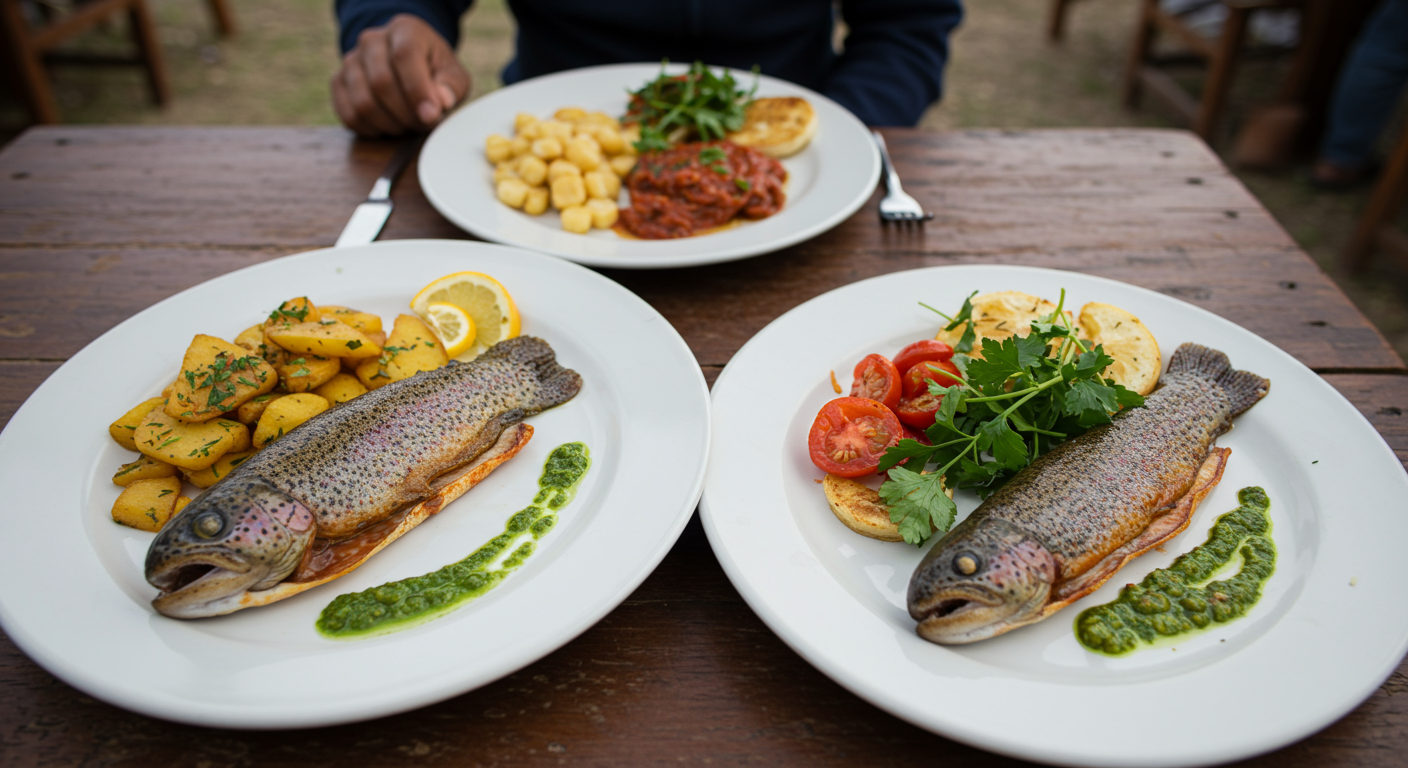
Cuenca’s Banquete de la Trucha has concluded its third edition, offering another sign that trout-centered dining is no longer a one-off culinary curiosity. Coverage from the Municipio de Cuenca and local media suggests the banquet has built enough continuity to be seen as part of a broader effort to spotlight regional ingredients through public food events.
That matters because the banquet’s appeal goes beyond a single plate or tasting menu. In Cuenca, trout has become a useful ingredient for chefs, organizers, and tourism promoters looking to connect Sierra cooking with ideas of locality, freshness, and culinary identity. The event does not prove that trout will define the future of Andean cuisine, but it does suggest the fish is becoming one of the ingredients shaping that conversation.
Cuenca’s trout banquet reaches a third edition
Now that its third edition has wrapped, the Banquete de la Trucha appears to have moved beyond novelty into the category of recurring food programming. Reporting from local institutions and regional outlets such as El Mercurio and El Tiempo has framed the event as part of Cuenca’s wider effort to promote food culture through ingredient-driven gatherings that are open to the public and tied to local producers, cooks, and hospitality businesses.
That recurring format matters. In a city with a strong dining identity, a third edition signals both organizational commitment and audience interest. It also gives chefs and restaurateurs a platform to keep experimenting with a product that is already familiar across the Sierra, yet flexible enough to support fresh presentations.
What stood out in this year’s edition
The banquet’s significance seems to come less from spectacle and more from the way trout was presented across different culinary styles. Event coverage pointed to chefs and food businesses using trout in both traditional and more contemporary preparations, a contrast that helps explain the banquet’s appeal. Trout works well in dishes that feel recognizably regional, but it also adapts easily to more polished, restaurant-style plating.
That balance between familiarity and reinvention is part of what gives the event momentum. Rather than treating trout as a niche ingredient, this year’s edition seems to have presented it as something broad enough for everyday diners and interesting enough for chefs trying to sharpen a distinctly Sierra point of view on the plate.
Why Andean trout has become a compelling local ingredient
Part of trout’s appeal in the Sierra is that it already belongs to the region’s culinary vocabulary. Diners know it, cooks know how to work with it, and it moves comfortably between simple and refined formats. Fried, grilled, baked, smoked, paired with local grains, or folded into more contemporary compositions, trout can anchor a wide range of menus without losing its sense of place.
That makes it especially attractive in Cuenca, where restaurants increasingly look for ingredients that carry both regional familiarity and storytelling value. Trout offers that combination. It is approachable enough for a broad audience, yet distinctive enough to anchor a banquet, tasting event, or seasonal menu built around Sierra identity.
The sustainability argument — with attribution
Sustainability has also become part of the banquet’s framing, based on how local institutions and event-related coverage have discussed regional products. In this case, the argument is less about claiming trout is automatically sustainable in every setting and more about how it can fit into a food system that emphasizes proximity, regional supply, and support for local producers.
When chefs, organizers, and tourism voices describe trout in sustainability terms, they appear to be pointing to practical ideas such as shorter sourcing chains, stronger links between local aquaculture and restaurants, and a preference for ingredients identified with the Sierra rather than brought in from farther away. That is a more grounded argument than presenting trout as a universal solution. The banquet’s contribution is to keep that discussion visible and public.
What this says about dining trends in Cuenca and the Sierra
The third edition of the Banquete de la Trucha fits neatly into a broader dining trend in Cuenca: more attention to regional ingredients, stronger culinary place-branding, and events that turn local food into a civic and tourism asset. Trout is not the only ingredient driving that shift, but it is clearly one of the most useful. It is local enough to feel rooted, versatile enough to inspire chefs, and familiar enough to attract diners who want a taste of the Sierra on the table.
For that reason, the banquet’s latest edition is best read as a sign of staying power. It suggests that trout-focused events in Cuenca are finding an audience and that Andean trout is becoming an increasingly persuasive ingredient in how the city talks about contemporary Sierra cuisine—not as a final answer, but as a strong and growing part of the argument.