Cuenca's 469th Anniversary Celebration Features Month-Long Food Festival Extravaganza
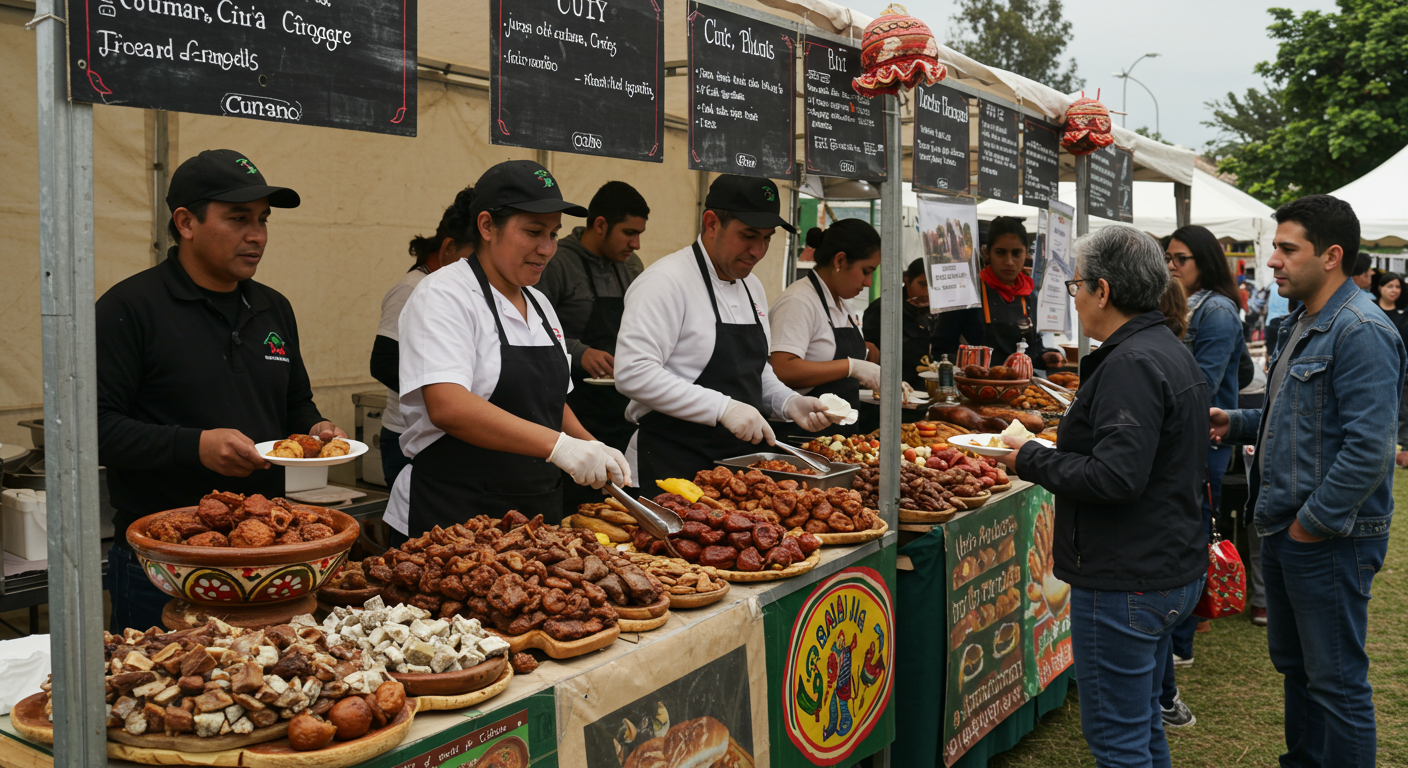
Cuenca just wrapped up its most ambitious anniversary celebration yet — a month-long festival featuring over 400 events that put the city's incredible food scene front and center. For 30 straight days, locals and visitors feasted their way through traditional cuisine, with dedicated festivals celebrating cuy, hornado, and mote pillo.
A Record-Breaking Month of Festivities
This year's 469th anniversary celebration blew past anything Cuenca has done before. Municipal organizers pulled together an extensive program that had something happening every single day, showcasing everything that makes this city special — but especially its food.
The turnout was incredible. Local restaurants, street vendors, and cultural groups all jumped in to make it happen. You could feel the community pride everywhere you went, and it's clear Cuenca is confident about its place as one of Ecuador's premier cultural destinations.
Food Festivals Steal the Show
While there were plenty of cultural events, concerts, and exhibitions throughout the month, the food festivals were the clear crowd-pleasers. These weren't just eating contests — they were genuine cultural experiences where you could learn about traditional preparation methods and the stories behind Ecuador's most iconic dishes.
Family vendors shared recipes that have been passed down for generations, and you could watch master cooks demonstrate techniques that might otherwise disappear as the city modernizes. It was like getting a crash course in authentic Ecuadorian cuisine.
Cuy Festival: Understanding Andean Tradition
The cuy festival gave visitors a chance to experience one of the Andes' most distinctive culinary traditions. Guinea pig has been a crucial protein source in these mountains for centuries, and watching the traditional preparation process — from careful selection to slow-roasting over wood fires — was fascinating.
Sure, cuy can be intimidating if you've never tried it before, but the cultural educators did a great job explaining its historical importance and nutritional value in Andean communities. The end result? Perfectly crispy skin and tender meat that's been sustaining people in these mountains since before the Incas.
Hornado Festival: Mastering the Art of Roasted Pork
Cuenca's hornado game is seriously impressive, and this festival proved it. Watching local vendors demonstrate the slow-cooking process was like a masterclass in patience and technique. The pork gets marinated and then roasted slowly over wood fires until you get that perfect combination of tender meat and crispy skin.
Of course, hornado isn't complete without its traditional sides. Festival-goers loaded up on llapingachos (those addictive fried potato patties), tangy curtido pickled vegetables, and spicy aji sauce. Each family vendor had their own secret touches that made their version special — some recipes refined over decades of perfecting the craft.
Mote Pillo Festival: Celebrating Breakfast Done Right
The mote pillo festival honored Ecuador's ultimate comfort breakfast. This simple but satisfying dish combines hominy corn with scrambled eggs, but the technique matters more than you'd think. Getting the texture just right — where the corn integrates perfectly with the eggs — takes practice.
What made the festival special was seeing how different regions approach mote pillo. Some cooks add cheese, others focus on specific seasonings, and each variation reflects local tastes and whatever ingredients were traditionally available in that area.
Building Cuenca's Food Reputation
This month-long celebration did more than just feed people — it solidified Cuenca's reputation as Ecuador's food capital. The way organizers wove gastronomy into the broader cultural programming was smart: food becomes this accessible way for people to connect with Ecuadorian culture, whether they're tourists or locals.
Local restaurant owners are already seeing the benefits. According to several we spoke with, interest in traditional dishes spiked during the festival and has stayed elevated since. Plus, the celebration created a blueprint for future anniversary events, showing how cultural programming can successfully blend education, entertainment, and real economic benefits for the community.