Cuenca Is Now a UNESCO City of Gastronomy — Here's What That Actually Changes
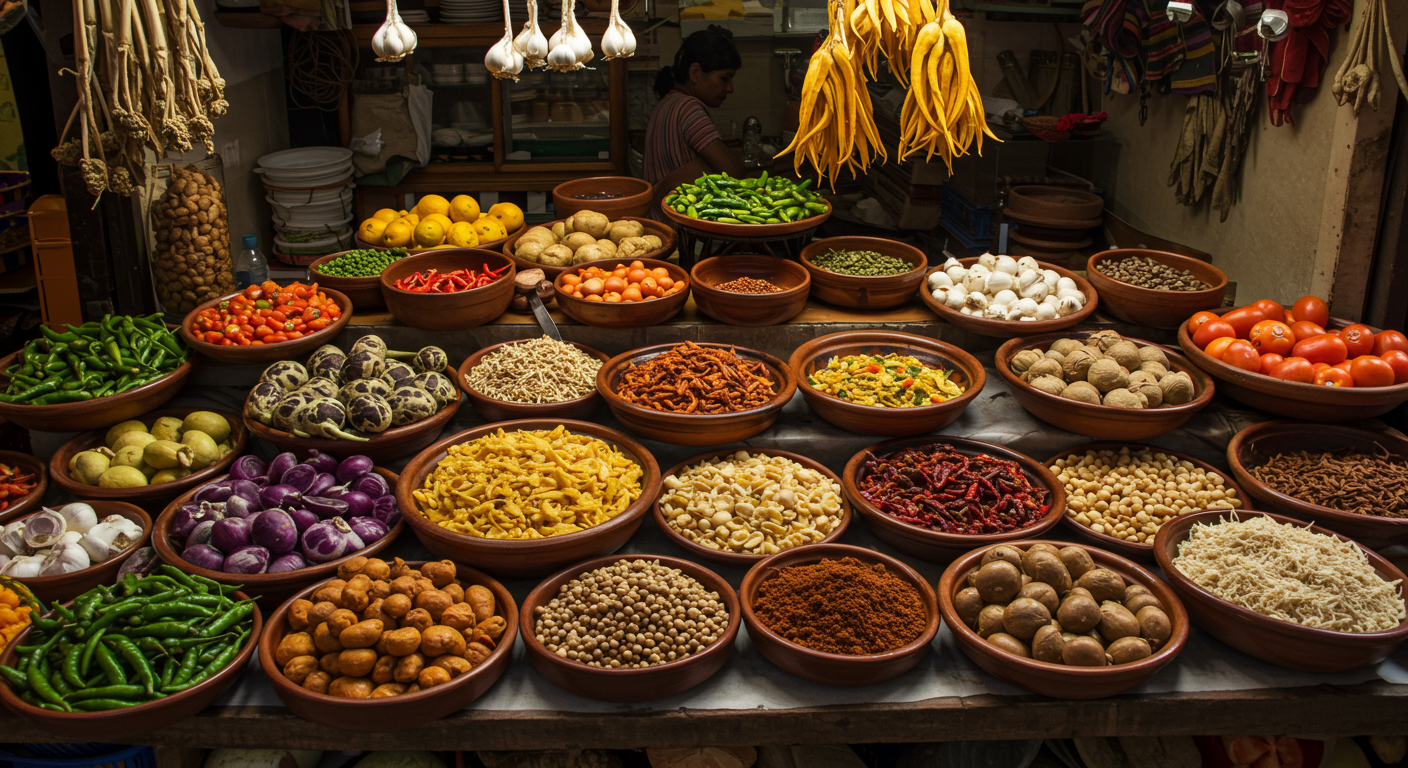
Cuenca's recent designation as a UNESCO City of Gastronomy has food lovers and tourism officials buzzing with excitement. But beyond the celebratory headlines, what does this prestigious title actually mean for travelers planning to explore Ecuador's culinary capital?
What UNESCO City of Gastronomy Actually Means
The UNESCO Creative Cities Network recognizes cities that show exceptional commitment to promoting cultural diversity through creative industries. For gastronomy specifically, cities must showcase rich culinary traditions, vibrant food scenes, and active efforts to preserve and promote their food heritage.
Cuenca earned this designation by highlighting its deep-rooted Andean culinary traditions, including indigenous ingredients like quinoa, amaranth, and native potatoes, alongside time-honored cooking techniques passed down through generations. The city demonstrated how its food culture reflects the broader cultural identity of the Azuay province and the Cañari heritage.
The title comes with real commitments: Cuenca must actively promote sustainable gastronomy practices, support local food producers, preserve traditional cooking methods, and share culinary knowledge both domestically and internationally. These aren't just ceremonial promises—they require measurable action and regular reporting to UNESCO.
The Immediate Changes Travelers Can Expect
Don't expect dramatic transformations overnight. The most immediate impact will be enhanced international marketing of Cuenca's food scene, potentially making the city more visible on global culinary tourism maps.
Tourism officials are likely to develop new food-focused promotional materials and experiences, though these initiatives take time to roll out effectively. Travelers might begin to see more structured culinary tours, cooking classes featuring traditional techniques, and better documentation of local food heritage sites.
The reality is that meaningful infrastructure improvements and program development typically unfold over months and years, not weeks. The designation provides a framework and motivation for change, but the pace depends largely on local implementation and funding.
Long-term Impact on Cuenca's Food Scene
The long-term benefits could be substantial for local businesses and food artisans. Restaurants specializing in traditional Ecuadorian cuisine may gain increased visibility, while local markets and food producers could benefit from enhanced tourism interest in authentic ingredients and products.
Cultural preservation initiatives represent perhaps the most significant potential impact. The designation creates incentives to document and protect traditional Andean cooking techniques, preserve heirloom ingredient varieties, and ensure younger generations learn these culinary traditions.
Sustainable gastronomy practices will likely receive increased attention, potentially leading to programs supporting local farmers, reducing food waste, and promoting environmentally conscious dining practices throughout the city's restaurant scene.
What This Means for Food-Focused Travelers
Cuenca's dining scene already offers compelling traditional dishes worth seeking out: hornado (slow-roasted pork), cuy (guinea pig prepared in traditional style), morocho (a hearty corn-based drink), and an array of soups featuring native ingredients like quinoa and fresh herbs.
To experience authentic local food culture, head beyond tourist-focused restaurants to neighborhood markets like Mercado 10 de Agosto, where vendors serve traditional breakfasts and local specialties. Small family-run establishments often provide the most genuine taste of regional cooking.
Timing matters less than approach—while new tourism initiatives may develop over the coming year, Cuenca's fundamental food culture remains accessible to curious travelers willing to explore beyond the obvious tourist zones.
The Bigger Picture for South American Gastronomy
Cuenca joins other Latin American cities like Lima, Peru, and Florianópolis, Brazil, in holding UNESCO gastronomy designations. This growing recognition reflects increasing international appreciation for South American culinary traditions beyond the most famous examples.
The designation signals broader trends in how Andean cuisine and indigenous ingredients are gaining global recognition. Ecuador's culinary profile internationally has historically been overshadowed by neighbors like Peru, but initiatives like this UNESCO recognition help establish the country's distinct culinary identity.
For the region, these designations create a network of officially recognized culinary destinations, potentially supporting food tourism circuits that connect travelers interested in exploring South American gastronomy beyond single-country visits.