Cuenca Blesses Bread and Chicha to Open Pase del Niño Viajero Preparations Ahead of the December 24 Parade
Cuenca Blesses Bread and Chicha to Open Pase del Niño Viajero Preparations Ahead of the December 24 Parade
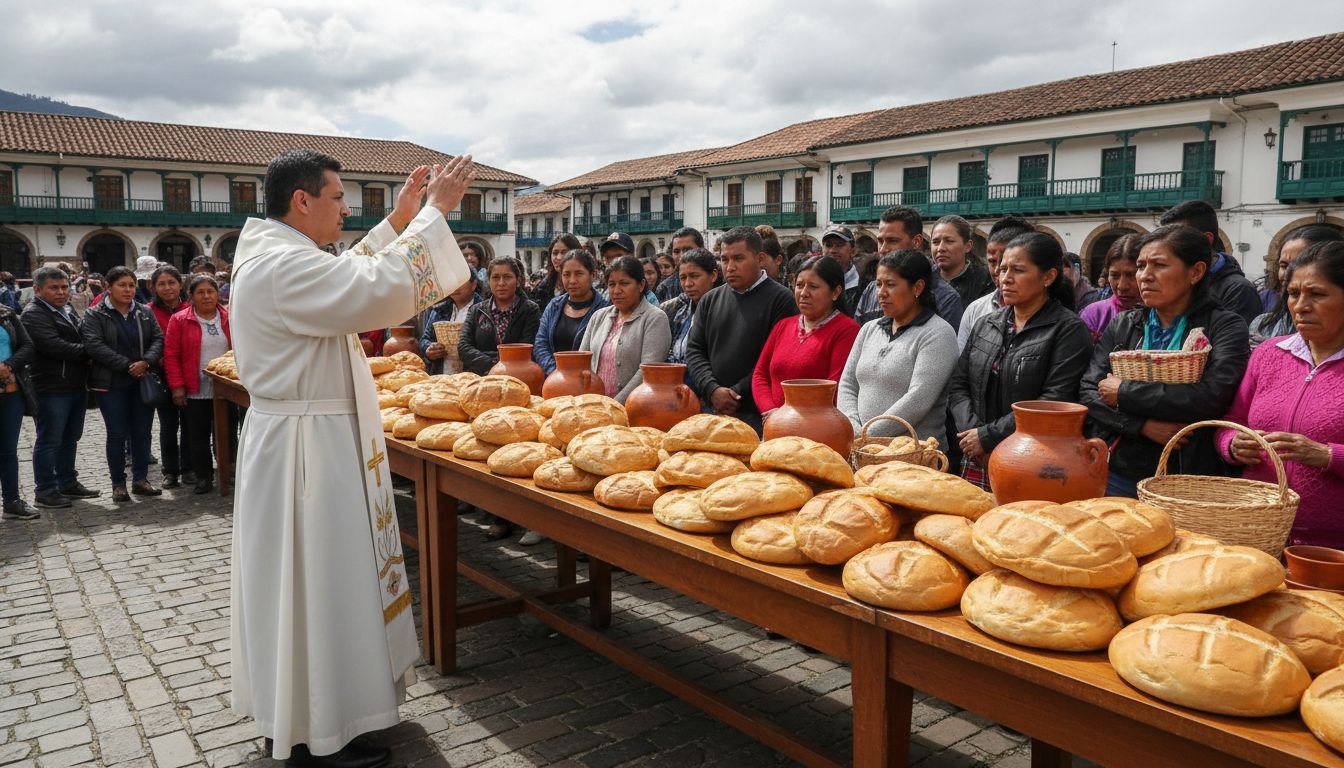
Cuenca has marked the symbolic start of its 2026 Pase del Niño Viajero season with a religious ceremony blessing bread and chicha, two foods long associated with the city's Christmas Eve procession. This modest but meaningful ritual sets the tone for weeks of preparation leading up to the main event on December 24.
A Blessing of Bread and Chicha Opens the Road to December 24
The ceremony brought together both religious and civic authorities, reflecting the dual character of the Pase del Niño Viajero itself. Monseñor Fernando Ortega presided over the religious elements of the blessing, while Cuenca's alcaldesa subrogante represented the municipal government, a pairing that underscores how deeply intertwined faith and civic life are in this tradition.
Bread and chicha are not treated as simple refreshments in this context. For many in Cuenca, these foods carry symbolic weight tied directly to the identity of the procession, serving as edible markers of continuity between past and present observances.
Why Bread and Chicha Matter to the Tradition
Food has long played a central role in Cuenca's Christmas customs, and the bread-and-chicha blessing serves as an entry point into the broader culinary dimension of the Pase del Niño Viajero. Local bakers and chicha producers prepare these items specifically for the season, reinforcing a shared ritual around the table as much as in the streets.
These food customs also help reinforce a collective identity during the holiday season. Whether shared among neighbors, prepared in family kitchens, or distributed during public events, bread and chicha serve as a point of connection that complements the religious and civic elements of the celebration.
The Niño Viajero: A Nearly Two-Century Icon with a Well-Traveled History
The image at the heart of the Pase del Niño Viajero dates to 1823. It arrived at the Monasterio del Carmen de la Asunción on December 24, 1986, a date that now anchors this year's anniversary observance.
The icon earned its "traveling" designation following a notable 1961 pilgrimage. Led by Cordero Crespo, the image journeyed to the Holy Land and Rome, where it reportedly received a blessing from Pope John XXIII. This historical episode is frequently cited as a defining moment in the icon's devotional significance.
Since at least 1987, Carmelite nuns have served as custodians of the image, a role that has helped preserve both the physical icon and the surrounding traditions associated with it.
A Milestone Year: 40 Years at the Monasterio del Carmen
This year's preparatory activities carry added weight, as 2026 marks the 40th anniversary of the Niño Viajero's arrival at the Monasterio del Carmen. Organizers and participants alike have pointed to this milestone as a reason for heightened civic and religious attention to this year's events.
The anniversary context appears to be shaping the tone of preparations, with the bread and chicha blessing serving as an early marker of a season that organizers hope will carry particular significance given the 40-year milestone.
A Recognized Cultural Treasure
In 2008, the Pase del Niño Viajero was formally declared Patrimonio Cultural Inmaterial del Ecuador by Ecuador's Ministry of Culture and Heritage. This recognition has helped elevate the tradition's standing both regionally and nationally, framing it not only as a religious observance but as a piece of Ecuador's broader cultural heritage.
That heritage status extends naturally to the food customs woven into the celebration. Practices like the bread and chicha blessing are often discussed as living expressions of the same cultural continuity that earned the procession its national recognition.
What to Expect on December 24
The Pase del Niño Viajero itself is structured as a large procession through the streets of Cuenca, combining religious devotion with civic participation and community celebration. Participants, including costumed figures, musicians, and community groups, accompany the image through the city in a display that blends solemnity with festivity.
This year's observance is expected to carry extra resonance given the 40th-anniversary context surrounding the icon's time at the Monasterio del Carmen. The early preparatory ceremonies, including the bread and chicha blessing, appear designed to build anticipation and set a reflective tone ahead of the main procession.