Cooking Oils in Ecuador: Which Ones Are Actually Healthy?
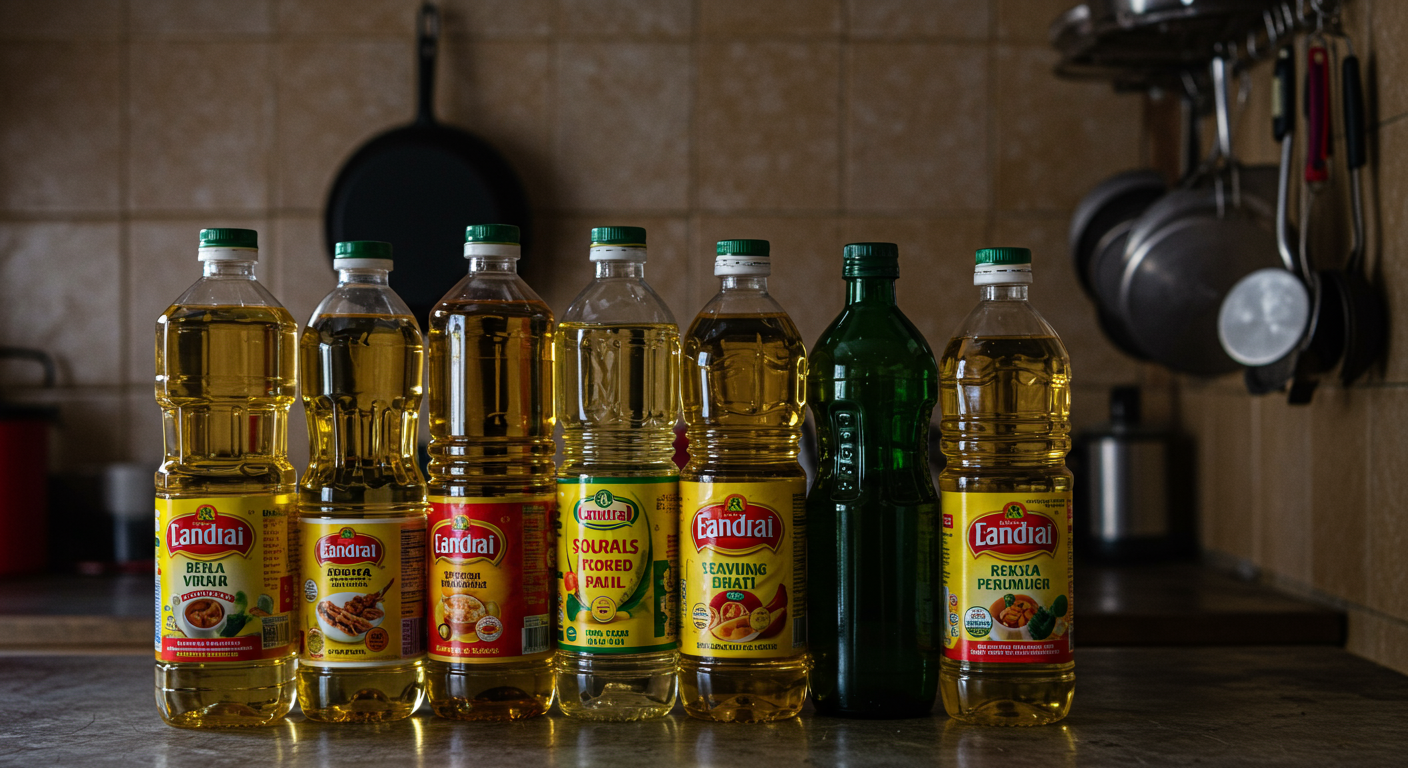
Walk into any Ecuadorian supermarket and you'll find shelves lined with cooking oils, but which ones should actually make it into your shopping cart? With palm oil dominating the local market and health-conscious consumers increasingly questioning their choices, understanding the real nutritional differences between cooking oils has never been more important.
The Cooking Oil Landscape in Ecuador
Ecuador's cooking oil market is heavily dominated by palm oil, which accounts for the majority of household cooking fat consumption. This isn't surprising given that Ecuador is a significant palm oil producer, making it the most affordable option for most families. You'll typically find palm oil priced at $2-3 per liter, while imported alternatives like extra virgin olive oil can cost $8-12 per liter.
Traditional Ecuadorian cooking has historically relied on lard and other animal fats, but the shift to vegetable oils occurred primarily in the latter half of the 20th century. Today, most households use palm oil for everyday cooking, with some families keeping a small bottle of olive oil specifically for salads or special occasions.
Beyond palm oil, Ecuadorian markets typically stock sunflower oil, soybean oil, corn oil, and in urban areas, you'll find olive oil, canola oil, and occasionally avocado oil. The availability of premium oils varies significantly between cities like Quito and Guayaquil versus smaller towns.
Understanding Oil Health Fundamentals
Before diving into specific oils, it's crucial to understand what makes one oil healthier than another. All cooking oils are essentially 100% fat, but the types of fats they contain vary dramatically.
Saturated fats, found in high concentrations in palm oil and coconut oil, have been linked to increased LDL (bad) cholesterol levels when consumed in excess, according to the American Heart Association. Monounsaturated fats, abundant in olive oil and avocado oil, are associated with heart health benefits and may help reduce inflammation.
Polyunsaturated fats include both omega-3 and omega-6 fatty acids. While both are essential, the modern diet typically contains too much omega-6 relative to omega-3, potentially contributing to inflammation. This is particularly relevant when considering oils like sunflower and corn oil, which are high in omega-6.
Smoke point is another critical factor. When oil exceeds its smoke point, it begins to break down, forming potentially harmful compounds and losing nutritional value. This is why choosing the right oil for your cooking method matters as much as choosing a nutritionally superior oil.
The processing method also significantly affects an oil's health profile. Refined oils undergo chemical processing that removes impurities but also eliminates many beneficial compounds. Unrefined or "virgin" oils retain more nutrients but may have lower smoke points.
Palm Oil: Ecuador's Most Common but Controversial Choice
Palm oil's nutritional profile is a mixed bag. It contains approximately 50% saturated fat, 40% monounsaturated fat, and 10% polyunsaturated fat. While this isn't the worst profile among cooking oils, the high saturated fat content is concerning for regular, heavy use.
Research published by Harvard Health has consistently shown that diets high in saturated fat can increase LDL cholesterol levels, a risk factor for heart disease. However, palm oil does contain some beneficial compounds, including vitamin E tocotrienols, which have antioxidant properties.
Palm oil dominates the Ecuadorian market for economic rather than health reasons. As a major palm oil producer, Ecuador benefits from low domestic prices, and the oil's long shelf life and neutral flavor make it practical for food manufacturers and households alike.
If you must use palm oil due to budget constraints, consider these strategies: use it sparingly, combine it with healthier oils when possible, and ensure you're getting plenty of fruits and vegetables to balance your overall diet. Red palm oil, when available, contains more beneficial carotenoids than refined palm oil.
Healthier Alternatives: Olive, Canola, and Avocado Oils
Extra virgin olive oil stands out as one of the healthiest cooking oils available. Rich in monounsaturated fats and containing powerful antioxidants like oleocanthal, olive oil has been extensively studied for its cardiovascular benefits by the Mayo Clinic and other health organizations. However, it has a relatively low smoke point (around 375°F), making it better suited for low to medium-heat cooking and cold applications.
In Ecuador, quality extra virgin olive oil typically costs 3-4 times more than palm oil, but a little goes a long way. Use it for sautéing vegetables, making salad dressings, and drizzling over finished dishes.
Canola oil offers an excellent balance of health benefits and versatility. With only 7% saturated fat and a favorable omega-6 to omega-3 ratio, it's heart-healthy and suitable for most cooking methods with its higher smoke point of around 400°F. While more expensive than palm oil, it's typically more affordable than olive oil in Ecuadorian markets.
Avocado oil is the premium option, boasting the highest smoke point (around 520°F) among healthy oils, making it excellent for high-heat cooking. It's rich in monounsaturated fats and vitamin E, but expect to pay a premium – often $15-20 per liter in Ecuador.
Sunflower and Other Vegetable Oils: The Middle Ground
Not all sunflower oils are created equal. Traditional sunflower oil is high in omega-6 polyunsaturated fats, which can contribute to inflammation when consumed in excess, according to research from Healthline. However, high-oleic sunflower oil contains primarily monounsaturated fats, making it a much healthier choice.
Unfortunately, most sunflower oil sold in Ecuador is the traditional variety, not the high-oleic type. If you can find high-oleic sunflower oil, it's an excellent middle-ground option between palm oil and premium oils like olive oil.
Soybean oil, common in processed foods and sometimes sold for home use, is extremely high in omega-6 fatty acids. While not necessarily harmful in small amounts, it shouldn't be your primary cooking oil if you're concerned about maintaining a healthy omega fatty acid balance.
Corn oil falls into a similar category – it's better than palm oil from a saturated fat perspective but high in omega-6 fats. It can serve as an occasional substitute but isn't ideal for daily use.
Matching Oils to Cooking Methods
For high-heat cooking like deep frying or searing, you need oils with high smoke points. Avocado oil is ideal but expensive. Canola oil and high-oleic sunflower oil (if available) are good alternatives. Refined olive oil (not extra virgin) can also handle higher heat.
Medium-heat cooking, including most sautéing and baking, opens up more options. Extra virgin olive oil, canola oil, and even high-quality sunflower oil work well. This covers most everyday cooking needs.
For cold applications like salad dressings or drizzling over finished dishes, extra virgin olive oil is the gold standard. Its flavor and antioxidant content are preserved when not heated.
Proper storage is crucial for maintaining oil quality. Store oils in cool, dark places and use them within their recommended timeframes. Oils that smell off or have changed color should be discarded, as they may contain harmful oxidation products.
Making Smart Choices on an Ecuadorian Budget
Upgrading your cooking oil doesn't have to break the bank. Start by purchasing a small bottle of extra virgin olive oil for salads and low-heat cooking. This alone will significantly improve your fat intake quality.
For everyday cooking, consider canola oil as a healthier alternative to palm oil. While it costs more upfront, you'll likely use similar amounts, making the cost difference manageable for many families.
In major Ecuadorian cities, look for healthier oils at supermarkets like Supermaxi, Mi Comisariato, or Tia. Smaller towns may have limited options, but even switching to canola oil represents a significant health improvement.
When shopping, look for oils in dark bottles or containers, which protect against light damage. Check expiration dates and avoid oils that have been sitting in sunny store windows.
Consider a gradual transition: start by replacing 50% of your palm oil usage with a healthier alternative, then increase the proportion as your budget allows. Even small changes can have meaningful health impacts over time.
Remember that no single dietary change will transform your health overnight, but choosing better cooking oils is a simple step that can contribute to better cardiovascular health and overall well-being for you and your family. The World Health Organization emphasizes that small, sustainable dietary improvements often have more lasting impact than dramatic changes.