Cooking Oils in Ecuador: Which Ones Are Actually Healthy?
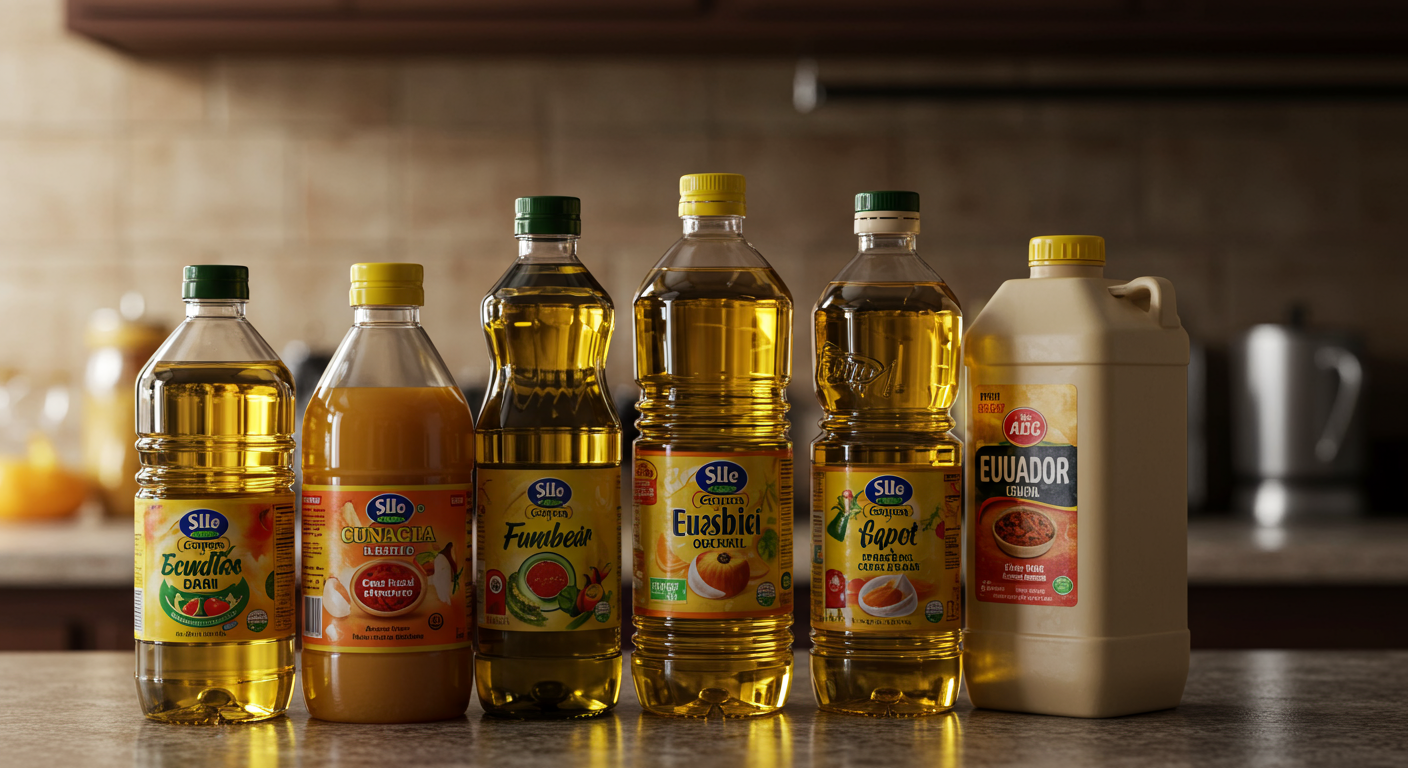
Choosing the right cooking oil can make a real difference for your health, but with Ecuador's unique mix of locally produced and imported options, it helps to understand both the nutritional science and what's actually available. From the palm oil you'll find everywhere to premium imported olive oil, each has its place in a healthy kitchen.
What Makes a Cooking Oil Healthy?
Health experts look at several key factors when evaluating cooking oils: saturated fat content, omega fatty acid balance, and how well they hold up to heat. These criteria directly impact your cardiovascular health and overall nutrition.
The World Health Organization recommends keeping saturated fat under 10% of your daily calories, while the American Heart Association goes even stricter at 5-6% for optimal heart health. The goal is choosing oils rich in monounsaturated and polyunsaturated fats while limiting those heavy in saturated fats.
Ecuador's Ministry of Health follows these international guidelines, encouraging people to select cooking fats that support heart health. The ideal oil should have a good omega-6 to omega-3 balance, stay stable when heated, and undergo minimal processing to keep beneficial compounds intact.
Palm Oil: Ecuador's Kitchen Staple
Palm oil rules Ecuador's cooking oil scene thanks to extensive local production along the coast. This makes it the most affordable and accessible choice for most families.
Health-wise, palm oil is a mixed bag. It contains about 50% saturated fat - higher than most vegetable oils but lower than coconut oil or butter. On the plus side, palm oil provides vitamin E and stays stable at high temperatures, making it great for frying and sautéing.
The big difference is between refined and unrefined versions. Unrefined red palm oil keeps more antioxidants and vitamin A compounds, offering better nutrition than the heavily processed versions filling most supermarket shelves. Unfortunately, most palm oil available in Ecuador has been significantly refined.
Despite concerns about saturated fat, palm oil's low cost and deep roots in traditional Ecuadorian cooking make it practical for many families - especially when used thoughtfully alongside other oils.
Heart-Healthy Imports Worth the Splurge
Extra virgin olive oil is the gold standard for heart-healthy cooking, though finding quality bottles at reasonable prices in Ecuador takes some hunting. You'll have the best luck in upscale supermarkets in major cities, where you'll find oils packed with monounsaturated fats and powerful antioxidants.
Olive oil shines for low to medium-heat cooking, salad dressings, and drizzling over finished dishes. Its lower smoke point makes it less ideal for the high-temperature frying common in Ecuadorian kitchens, but the health payoff - including reduced inflammation and better heart health - makes it worth incorporating where it works best.
Avocado oil has emerged as a premium option that combines heart-healthy fats with exceptional heat tolerance. While expensive and harder to find, it offers one of the highest smoke points among healthy oils, perfect for high-heat cooking without sacrificing nutrition.
Canola and sunflower oils hit a sweet spot between health and affordability. Both offer better fatty acid profiles than palm oil, with less saturated fat and more beneficial unsaturated fats. These versatile oils handle most cooking tasks well and are becoming easier to find in Ecuadorian supermarkets.
Coconut Oil: Local and Controversial
Ecuador's coastal regions produce coconut oil, making it more accessible and affordable here than in many other countries. But coconut oil sparks more health debate than perhaps any other cooking fat.
With about 90% saturated fat, coconut oil far exceeds palm oil and every other common cooking oil. However, supporters argue its unique medium-chain triglycerides may offer metabolic benefits, including easier digestion and quick energy.
The scientific consensus suggests cautious use. While coconut oil may not be as harmful as once believed, that sky-high saturated fat content means using it sparingly, especially if you have heart health concerns.
In Ecuadorian cooking, coconut oil excels for baking, medium-heat sautéing, and dishes where its distinctive flavor adds something special. Its natural stability and preservation properties also make it practical for homes without reliable refrigeration.
Your Game Plan for Healthier Cooking
The smartest approach to cooking oils in Ecuador means diversifying based on your cooking method, budget, and health goals. No single oil handles every kitchen task perfectly, so strategic selection is key.
For high-heat cooking like deep frying, refined palm oil or avocado oil (budget permitting) provide the best stability. Medium-heat cooking works well with olive oil, canola oil, or coconut oil depending on your flavor preferences. Cold uses like salad dressings let extra virgin olive oil show off its nutritional best.
When shopping in Ecuadorian markets, look for oils in dark glass bottles or opaque containers that protect against light damage. Check those expiration dates carefully - tropical heat speeds up oil spoilage. Local markets sometimes offer fresher, less processed palm oil compared to heavily refined supermarket versions.
Transitioning traditional recipes often works best gradually. Try replacing half the palm oil in your recipes with olive or canola oil at first, letting your taste buds adjust while boosting nutrition.
If budget is tight, use expensive oils like extra virgin olive oil strategically - save them for raw applications and gentle cooking where they shine, while using affordable options for high-heat cooking where premium oils lose their edge anyway.
The healthiest cooking oil approach in Ecuador combines practical availability with solid nutrition science. Focus on moderation, variety, and matching each oil to what it does best.