Cooking Oils in Ecuador: Which Ones Are Actually Healthy?
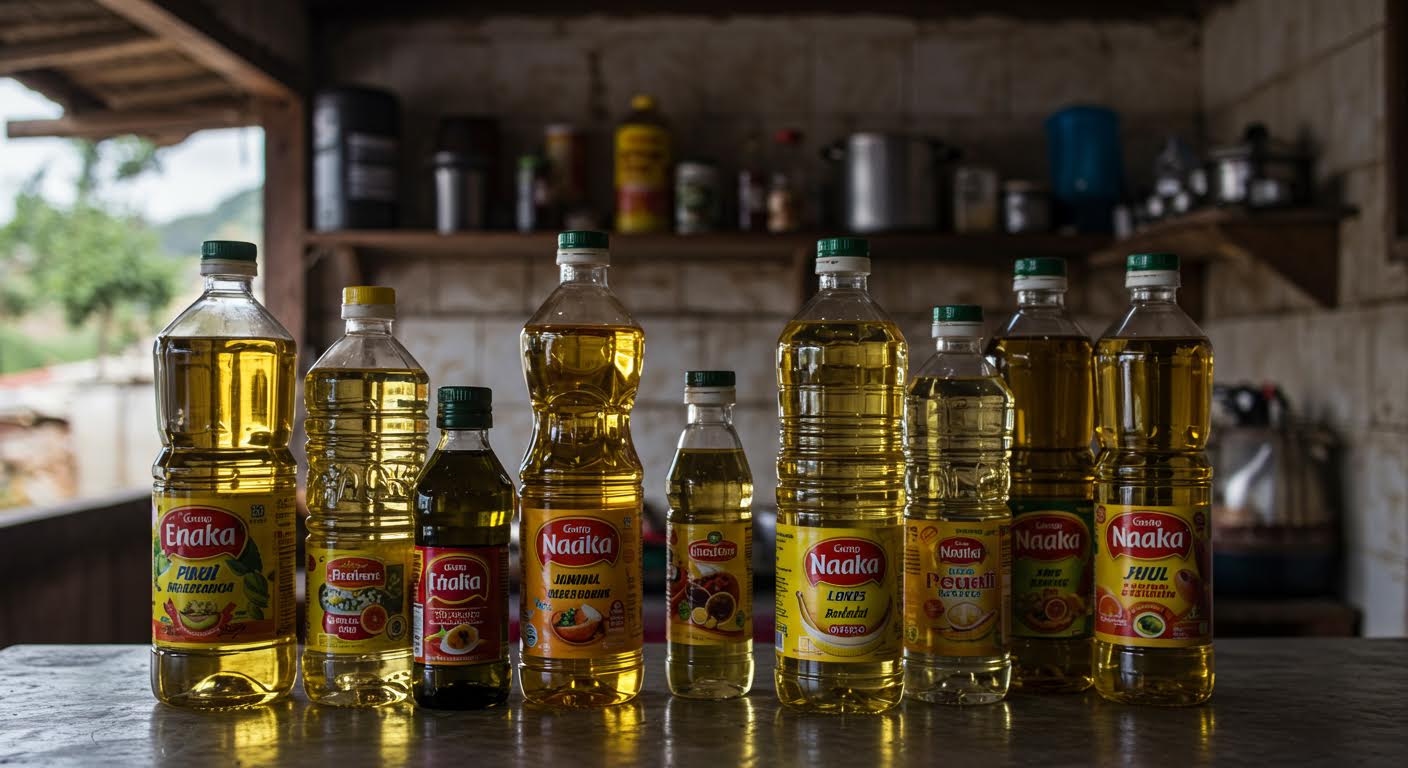
Walking through any Ecuadorian supermarket or local market, you'll find shelves lined with various cooking oils, each promising different benefits. But which ones are actually good for your health? Understanding the nutritional science behind cooking oils and how it applies to what's available in Ecuador can help you make better choices for your kitchen and your well-being.
Understanding Cooking Oil Health Basics
Before diving into specific oils available in Ecuador, it's important to understand what makes one oil healthier than another. All cooking oils contain three types of fats: saturated, monounsaturated, and polyunsaturated fats, each affecting your health differently.
According to the World Health Organization, saturated fats found in higher concentrations in oils like coconut and palm oil have been linked to increased cholesterol levels when consumed in excess. Monounsaturated fats, abundant in olive oil, are generally considered heart-healthy. Polyunsaturated fats include both beneficial omega-3 fatty acids and omega-6 fatty acids, which should be consumed in balance.
Processing methods significantly impact oil quality. Refined oils undergo chemical processing and high heat treatment, which removes nutrients and can create harmful compounds. Unrefined or "virgin" oils retain more nutrients but often have lower smoke points and shorter shelf lives.
Speaking of smoke points, this is the temperature at which an oil begins to break down and produce smoke. When oils exceed their smoke point, they can form harmful compounds and develop an unpleasant taste. High-heat cooking methods like frying require oils with high smoke points, while gentle cooking and dressings can use more delicate oils.
Ecuador's Cooking Oil Landscape
Ecuador's cooking oil market is dominated by palm oil, which is both locally produced and widely consumed. The country is a significant palm oil producer, making it the most affordable and accessible option for most households. You'll find palm oil in virtually every grocery store, from large supermarkets in Quito and Guayaquil to small tiendas in rural areas.
Supermarkets typically offer a broader selection, including imported canola oil, sunflower oil, corn oil, and various vegetable oil blends. Olive oil is available but tends to be more expensive, with quality varying significantly between brands and price points.
Specialty and imported oils can be found in larger cities, particularly in upscale supermarkets and health food stores. However, availability decreases and prices increase as you move away from major urban centers. Coconut oil has gained popularity in recent years and is now available in most supermarkets, though at a premium price compared to palm oil.
Health Analysis of Popular Oils in Ecuador
Palm oil, Ecuador's most common cooking oil, has a mixed health profile. While it's high in saturated fats, it also contains beneficial compounds like vitamin E and carotenoids when less processed. However, most commercial palm oil in Ecuador is highly refined, reducing these nutritional benefits. Its high smoke point makes it suitable for frying, but the American Heart Association notes that regular consumption of large amounts may contribute to cardiovascular risk factors.
Canola oil and vegetable oil blends, commonly found in Ecuadorian supermarkets, offer a more balanced fatty acid profile with less saturated fat than palm oil. These oils are typically highly processed but have neutral flavors and high smoke points, making them versatile for various cooking methods.
Sunflower and corn oils are moderate options with relatively high smoke points. Sunflower oil contains vitamin E and has a light flavor, while corn oil provides some beneficial compounds. Both are better choices than palm oil for regular use, though they're still processed oils.
Coconut oil has been heavily marketed as a "superfood," but the science is more nuanced. While it contains some beneficial compounds, it's extremely high in saturated fats. For most people, coconut oil should be used sparingly rather than as a primary cooking oil.
Olive oil, when you can find quality versions in Ecuador, remains one of the healthiest options. Extra virgin olive oil is rich in monounsaturated fats and antioxidants, as research from Harvard School of Public Health demonstrates. However, much of the olive oil available in Ecuador is lower quality or adulterated, so choose reputable brands and expect to pay more for authentic products.
Best Cooking Oils for Different Uses
For high-heat cooking like frying and sautéing, oils with high smoke points work best. In Ecuador, this means canola oil, sunflower oil, or refined coconut oil. While palm oil also has a high smoke point, the health concerns make it less ideal for regular use.
Medium-heat cooking, which covers most everyday meal preparation, gives you more options. Canola oil, sunflower oil, and light olive oil all work well for sautéing vegetables, cooking rice, or preparing most traditional Ecuadorian dishes.
For low-heat cooking, salad dressings, and finishing dishes, extra virgin olive oil is your best choice when available and affordable. Its rich flavor and beneficial compounds make it worth the extra cost for these applications.
When baking, neutral-flavored oils like canola or sunflower oil work well and won't interfere with other flavors. Avoid strongly flavored oils like extra virgin olive oil in sweet baked goods.
Making Smart Choices on an Ecuador Budget
The most cost-effective healthy oil strategy in Ecuador involves using different oils for different purposes rather than relying on one expensive "premium" option. Canola or sunflower oil can handle most of your cooking needs at a reasonable price, while a small bottle of extra virgin olive oil can be reserved for salads and finishing dishes.
Shop at larger supermarkets when possible for better selection and competitive prices. Stores like Supermaxi, Megamaxi, and Mi Comisariato typically offer more oil varieties than smaller shops. However, don't overlook wholesale markets, which sometimes carry bulk options at lower per-unit costs.
Balance health benefits with practical needs. While extra virgin olive oil might be ideal nutritionally, if the cost means you'll use cheap palm oil for everything else, you're better off with a good mid-range option like canola oil for most cooking.
Proper storage is crucial in Ecuador's climate. Keep oils in cool, dark places and buy smaller quantities more frequently rather than large containers that might go rancid before you use them. Heat, light, and humidity all accelerate oil degradation, so consider your storage conditions when making purchases.
Remember that the healthiest cooking oil is one you can afford to use consistently as part of a balanced diet. As nutrition experts from the Mayo Clinic emphasize, don't let perfect be the enemy of good – switching from palm oil to canola or sunflower oil is a significant improvement, even if olive oil might be theoretically better.