Cooking Oils in Ecuador: Which Ones Are Actually Healthy?
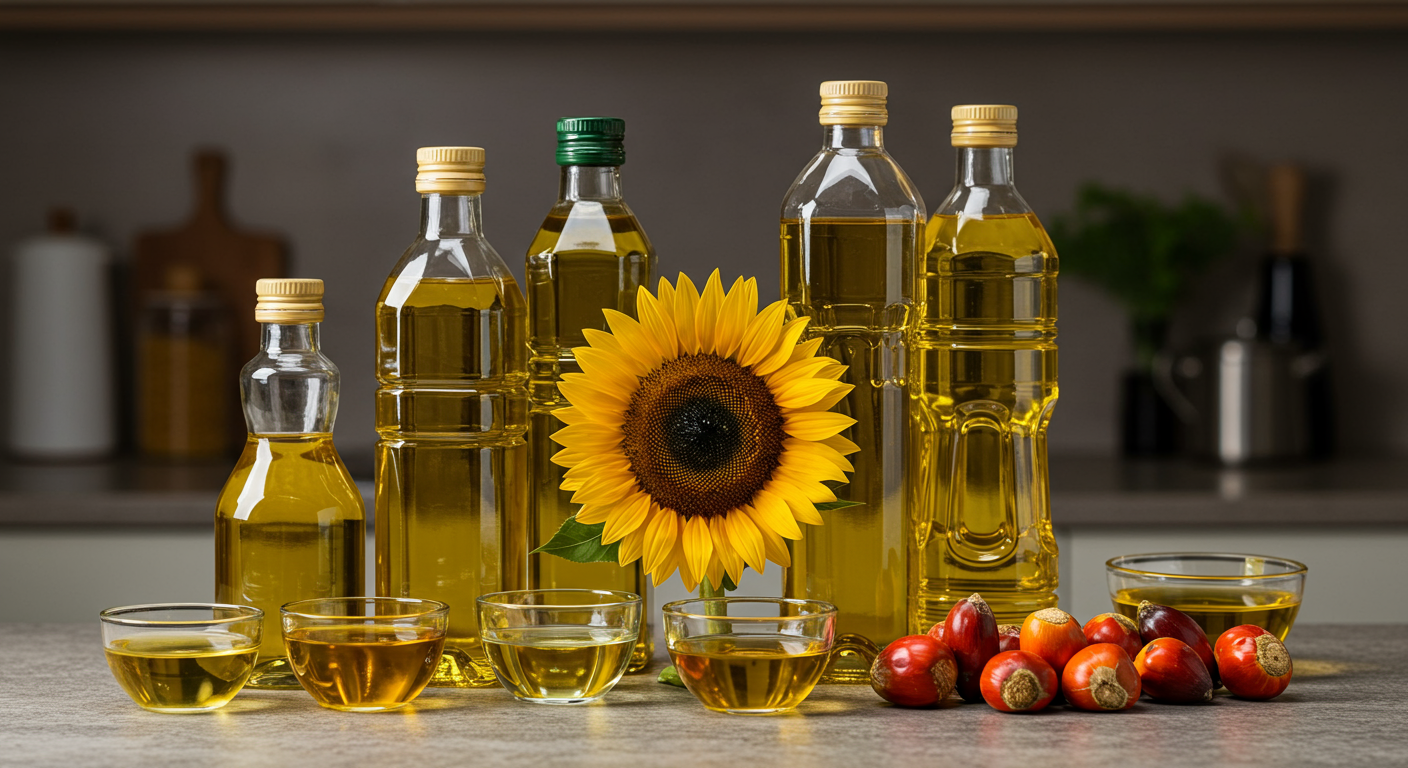
If you have ever stood in front of a supermarket shelf in Ecuador or looked at a restaurant menu and wondered which cooking oils are actually healthier, the short answer is this: for everyday use, the better choices are usually oils higher in unsaturated fats and lower in saturated and trans fats. That general standard is consistent with mainstream health guidance from the World Health Organization and the American Heart Association.
That does not mean one oil is perfect for every kitchen or every meal. How much oil you use, how often you eat fried food, and whether the oil is exposed to repeated high heat all matter too. In other words, the healthiest oil is not just about the bottle. It is also about how it is used.
What makes a cooking oil healthy in the first place?
Most health guidance focuses less on trendy labels and more on fat type. Unsaturated fats, including monounsaturated and polyunsaturated fats, are generally preferred over saturated fats. Industrial trans fats are the clearest category to avoid whenever possible.
That is why oils associated with unsaturated fats tend to be viewed more favorably for routine use. But even a better oil can become a less healthy choice if it is used heavily, overheated, or consumed mainly through deep-fried foods. A lightly sautéed meal and a basket of repeatedly fried snacks are not nutritionally equivalent, even if they started with the same oil.
The better everyday picks commonly found in Ecuador
For many households and restaurants in Ecuador, the most practical everyday options include olive oil, canola oil, sunflower oil, soybean oil, corn oil, and avocado oil. These oils are generally richer in unsaturated fats than oils that are high in saturated fat.
They are not all the same. Olive oil is often chosen for dressings, finishing dishes, and light-to-medium heat cooking. Canola, sunflower, soybean, and corn oils are common neutral oils that work well for everyday cooking. Avocado oil is often marketed as a premium option and may appeal to people who want a versatile oil with a strong unsaturated fat profile.
For readers in Ecuador, the practical point is simple: many of the oils commonly found in supermarkets and used by food businesses can fit into a healthier eating pattern if they are used in moderation and not mainly for heavy frying.
Why olive oil gets so much attention
Olive oil gets an outsized share of attention because it is widely associated with monounsaturated fat and with eating patterns often described as more heart-friendly. That reputation is not baseless, but it can be overstated.
Olive oil is a strong option for dressings, drizzling over finished dishes, and many light-to-medium heat cooking uses. Still, it is not the only healthy oil, and it is not always the most practical one. In Ecuador, price and availability can make other unsaturated oils more realistic for daily cooking.
So olive oil deserves its good reputation, but it is best seen as one useful option rather than the single correct answer for everyone.
Canola, sunflower, soybean, and corn oils: better than their reputation?
These oils often get pulled into online arguments, especially under the broad label of “seed oils.” But mainstream nutrition guidance remains more focused on the balance of saturated, unsaturated, and trans fats than on internet debates about any one oil category.
In practical terms, canola, sunflower, soybean, and corn oils are often reasonable choices when they replace fats that are higher in saturated fat and when they are used sensibly. That means moderate amounts, avoiding repeated overheating, and not assuming that deep-fried food becomes healthy simply because a better oil was used.
For most readers, the bigger issue is not whether one neutral oil is controversial online. It is whether everyday eating patterns lean more toward unsaturated fats and less toward trans fats and excessive fried food.
Avocado oil and other premium options
Avocado oil is another oil generally viewed favorably because of its unsaturated fat profile. It may appeal to shoppers looking for a versatile option for cooking or finishing dishes.
But premium oils should not be romanticized. A higher price does not automatically mean a healthier product. Marketing terms can sound impressive while revealing very little. It is smarter to compare nutrition information and ingredient details than to rely on words like “pure,” “light,” or “heart healthy” on the front label.
In other words, premium can be fine, but the basics still matter more than branding.
The oils to treat more cautiously
Oils high in saturated fat are generally viewed less favorably for routine use under guidance from the World Health Organization and the American Heart Association. Palm oil often comes up in this conversation because it is widely used in processed foods and commercial cooking and has a higher saturated fat content than oils such as canola, sunflower, or soybean.
That does not mean you should panic over a single meal. The bigger concern is overall pattern and quantity. If a diet consistently leans on oils and foods that are higher in saturated fat, that is where the issue becomes more meaningful.
The clearest red flag remains partially hydrogenated oils and industrial trans fats. If a packaged product still contains partially hydrogenated oils, that is a stronger warning sign than most of the arguments people have about ordinary cooking oils.
How cooking method can make a healthy oil less healthy
This is where dining out matters. Even an oil with a better fat profile can lose much of its advantage if food is deep-fried, if the same oil is reheated over and over, or if dishes are simply soaked in oil.
When you eat out, the question is not only “What oil is this?” It is also “How was it used?” Light sautéing is very different from deep-frying. A small amount of oil used once is different from oil that may have spent hours in a fryer.
That is why practical restaurant questions can be more useful than abstract debates. Is the dish grilled, sautéed, or fried? Does it seem greasy? Is this the kind of place likely to reuse frying oil many times? Those details can shape the health picture as much as the oil itself.
How to make smarter choices at home and when eating out in Ecuador
A few simple rules of thumb go a long way. Choose oils richer in unsaturated fats more often. Avoid trans fats and partially hydrogenated oils when possible. Limit heavily fried foods, especially as an everyday habit rather than an occasional treat.
At home, read labels instead of trusting front-of-package language. When eating out, pay attention to cooking style, not just ingredients. A grilled or lightly sautéed dish will often be a better bet than something battered and deep-fried.
The balanced takeaway is straightforward: the healthiest cooking oil is usually one with a better fat profile, used in sensible amounts and in cooking methods that do not undermine its benefits. In Ecuador, that usually means leaning more often toward oils such as olive, canola, sunflower, soybean, corn, or avocado, while being more cautious about trans fats, repeated deep-frying, and routine reliance on oils higher in saturated fat.