Cocoa Prices Surge Past $6,000 a Ton: What It Means for Ecuadorian Farmers and Local Dining
Cocoa markets have reportedly entered rare territory, with futures said to have climbed past the $6,000-per-ton threshold, a historically elevated level for the commodity. Reuters Commodities coverage points to this surge as part of a broader trend of volatility rather than a single confirmed data point, and precise figures should be treated as approximate given the limited availability of dated, specific source material at this time.
Cocoa Prices Surge Past $6,000 a Ton
The reported climb past $6,000 a ton marks a notable moment for a commodity that has seen increasing price swings in recent seasons. While exact figures circulating in Bloomberg Commodities coverage vary, the general direction described across market-tracking sources is consistent: cocoa has become significantly more expensive to buy on international markets. Readers should keep in mind that without a specific dated article or verified price snapshot, this should be understood as an approximate and evolving figure rather than a fixed benchmark.
El Niño Fears and West African Supply Concerns
A key factor cited in connection with the price surge is concern over the El Niño weather pattern and its potential to disrupt cocoa yields in major growing regions. According to the International Cocoa Organization, Ivory Coast and Ghana together commonly supply roughly 60 percent of the world's cocoa, which makes conditions in those two countries especially influential for global pricing. That said, weather is unlikely to be the sole driver. Other contributing factors mentioned in broader agricultural and commodity discussions, including data referenced by the U.S. Department of Agriculture, include crop disease, aging cocoa tree stock, smuggling across borders, and structural supply deficits that have been building for several seasons. Attributing the entire price move to El Niño alone would likely oversimplify a more complex picture.
Ripple Effects on Ecuador's Cocoa Farmers
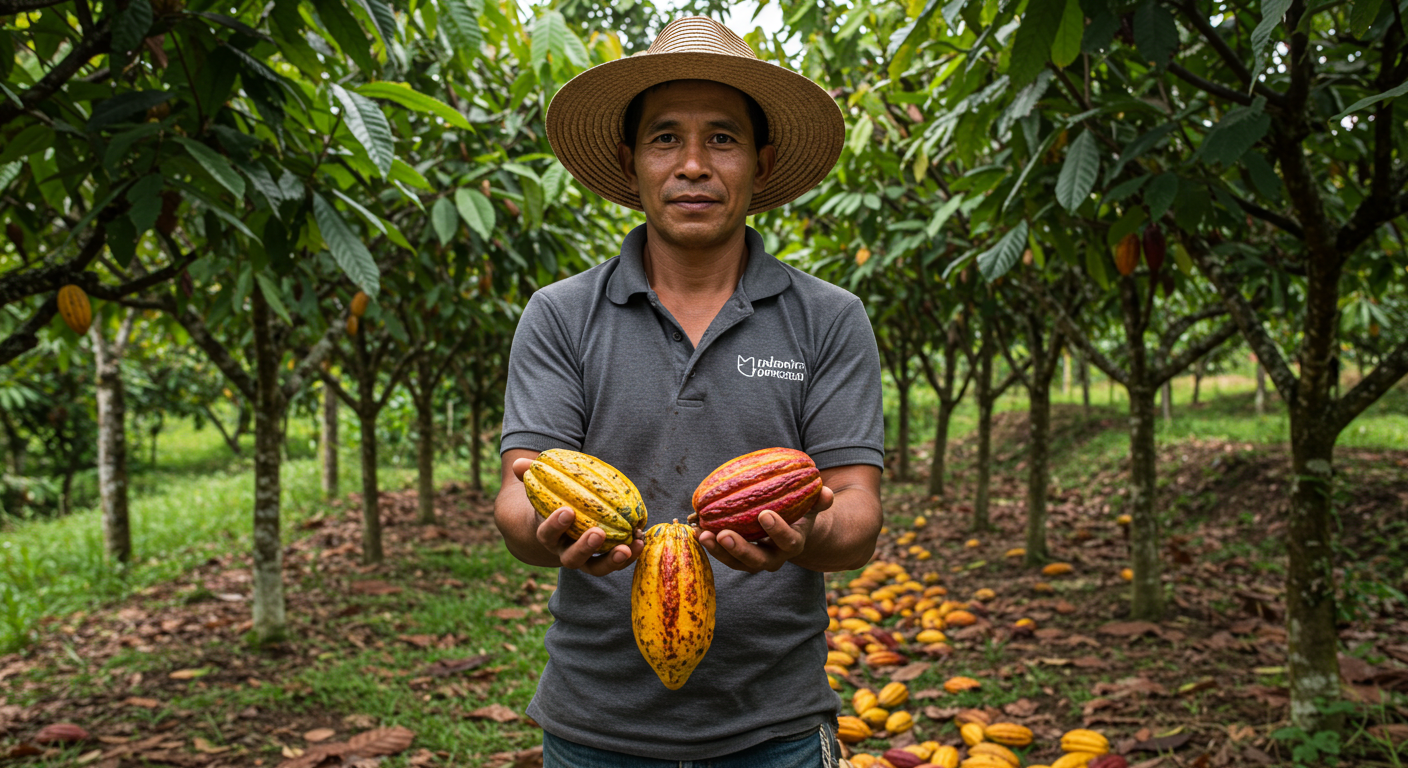
The West African-driven price rally appears to have had ripple effects reaching cocoa-producing regions well beyond that continent, including Ecuador. Farmgate prices for Ecuadorian cocoa have reportedly risen to around $190 per quintal (100 pounds), which would represent a meaningful potential boost for smallholder farmers' incomes if sustained. However, this figure lacks named sources, direct farmer quotes, or dated confirmation in the materials available, so it should be read as a reported approximation rather than a verified, current price point. Farmers' actual experience of these price changes likely varies by region, buyer relationships, and local market conditions.
What Rising Cocoa Prices Mean for Dining and Hospitality
Higher cocoa costs on international markets tend to create upward pressure throughout the chocolate supply chain, from large manufacturers down to retail chocolate pricing. For restaurants, bakeries, and dessert-focused dining establishments, this can translate into increased ingredient costs for cocoa-based menu items such as desserts, pastries, hot chocolate, and mole-based dishes common in some regional cuisines. Chefs and food businesses facing sustained cocoa cost increases may respond in a variety of ways, including adjusting menu prices, revisiting portion sizes, or exploring alternative sourcing arrangements. It remains to be seen how quickly, or how visibly, these pressures will show up on menus, since businesses often absorb short-term commodity swings before passing costs on to customers.
Volatility, Risk, and the Road Ahead
Higher cocoa prices can offer a meaningful benefit to smallholder farmers, including those in Ecuador, but elevated prices also introduce planning and income volatility risks for producers who depend on predictable earnings season to season. Considerable uncertainty remains around how long the current price rally might last and whether it reflects a genuine, sustained supply shock or a more speculative, shorter-term market movement. Given the limits of currently available sourcing in confirming precise causality and exact figures, readers are encouraged to treat specific numbers cited here as approximate and to stay attentive to how these market conditions continue to evolve.