Choclo Prices Jump 16.47% and Rice 14.95% as Cuenca Holds Title of Ecuador's Priciest City
Choclo Prices Jump 16.47% and Rice 14.95% as Cuenca Holds Title of Ecuador's Priciest City
Cuenca's cost of living continues to outpace the rest of Ecuador, according to October 2026 figures released by the Instituto Nacional de Estadística y Censos, Ecuador's national statistics agency known as INEC. The city's Canasta Familiar Básica de Consumo, or basic household basket, reached USD 895.67 last month, extending its run as the most expensive basket in the country to a tenth consecutive month.
Cuenca's Basket Costs Hold Steady at the Top
The October figure puts Cuenca well above the national average basket cost of USD 837.36, a gap of roughly USD 58.31. This persistent spread has become something of a recurring storyline in local economic reporting, with Cuenca repeatedly topping the list of Ecuadorian cities tracked in INEC's monthly releases.
The basket measures the estimated monthly cost of essential goods and services for a reference household. The consistency of Cuenca's position at the top—ten months running—has drawn attention from local and national outlets alike as a marker of the city's relatively higher cost pressures compared to places like Quito, Guayaquil, or Machala.
What's Driving the October Price Jump
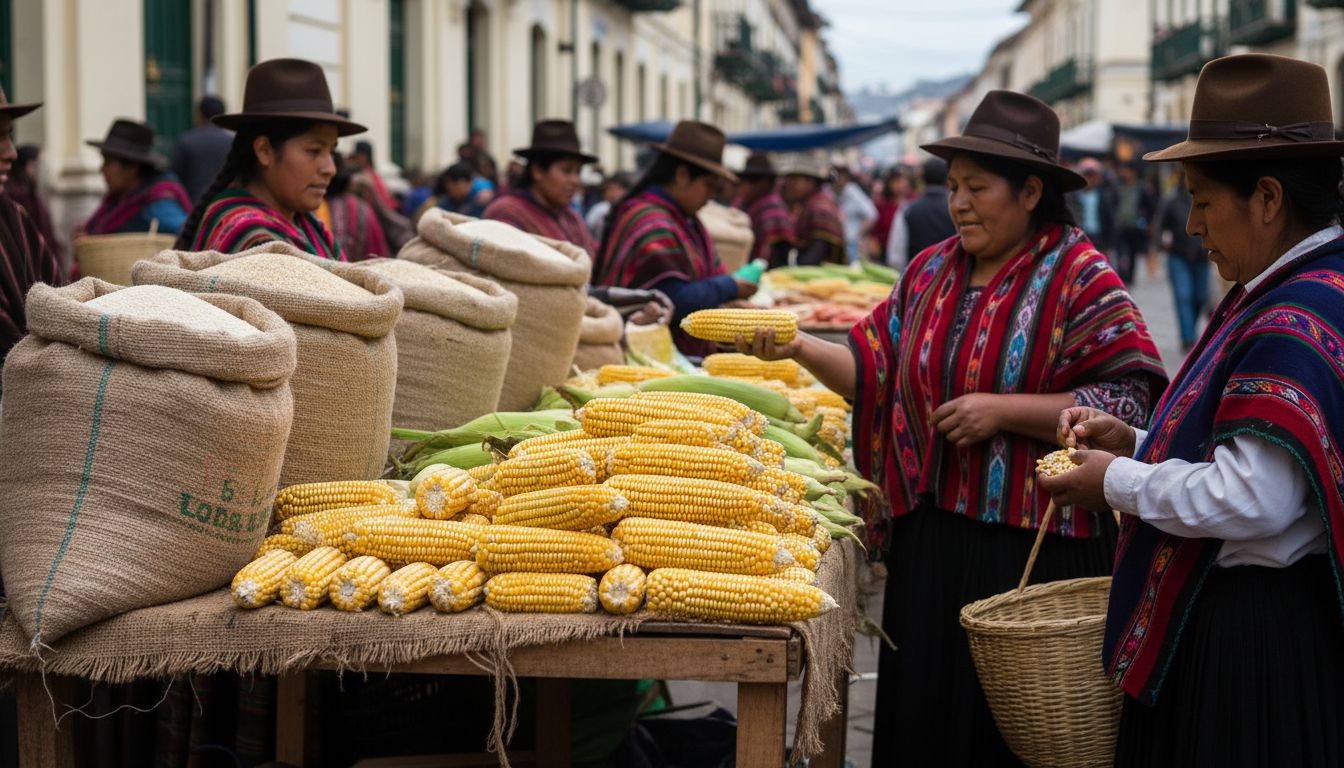
Food items appear to be a central factor behind the month's basket increase. Choclo, or fresh corn, rose 16.47% compared to the previous month, among the sharpest increases tracked in the October data. Rice prices climbed 14.95% over the same period, adding further pressure to the basket's food component.
Other items, including carrots, also contributed to a broader uptick in food costs. Taken together, these increases appear to be a meaningful driver of the gap between Cuenca and the national average, though the overall basket reflects dozens of tracked goods and services beyond these specific items.
The National Inflation Picture
At the national level, INEC reported a monthly Consumer Price Index change of 0.33% for October 2026. Annual inflation stood at 1.39%, with accumulated inflation for the year reaching 1.99%.
These national figures suggest that while inflation overall remains relatively modest on a month-to-month basis, certain food categories—like choclo and rice—moved well beyond the broader average, illustrating how specific staples can swing noticeably even when the aggregate inflation rate looks contained.
A Methodology Shift Worth Noting
A recurring consumer concern in coverage of these figures involves a methodological change INEC implemented starting in July 2026, expanding the basket's tracked goods and services from 75 to 98 items. This shift has implications for how directly October 2026 data can be compared to basket figures from before July.
Some observers have raised the question of how this recalibration affects claims about "ten consecutive months" at the top, since the underlying basket composition changed partway through the comparison period. INEC's published methodology documents remain the most authoritative source for understanding exactly how the expanded item list affects calculated totals, and readers interested in the technical details may wish to consult those directly.
Why Cuenca Keeps Outpacing Other Cities
The reasons behind Cuenca's persistent position at the top of the basket rankings are not fully settled in available reporting. A recurring theme in local coverage is the possibility of structural or supply-chain factors specific to Cuenca's market, though no single authoritative explanation has been firmly established.
Separately, national reporting has linked broader rice and egg price dynamics to factors such as El Niño weather patterns and production shifts, suggesting that at least some of the price pressure seen in Cuenca's basket may reflect wider national or regional supply conditions rather than causes unique to the city alone.
What This Means for Households and Diners
For Cuenca residents, the practical effect of rising staple costs like choclo and rice is a tighter household food budget, whether shopping for groceries or choosing to dine out. As staple ingredient costs climb, restaurants and market vendors alike may face pressure to adjust pricing, even if those adjustments lag behind the underlying cost increases reported by INEC.
Looking ahead, INEC's upcoming monthly releases will be worth watching to see whether Cuenca's basket costs continue to outpace the national average, and whether the July methodology change settles into a more stable basis for month-to-month comparisons going forward.