China-Ecuador Shrimp Export Dispute: What It Could Mean for Local Seafood Menus
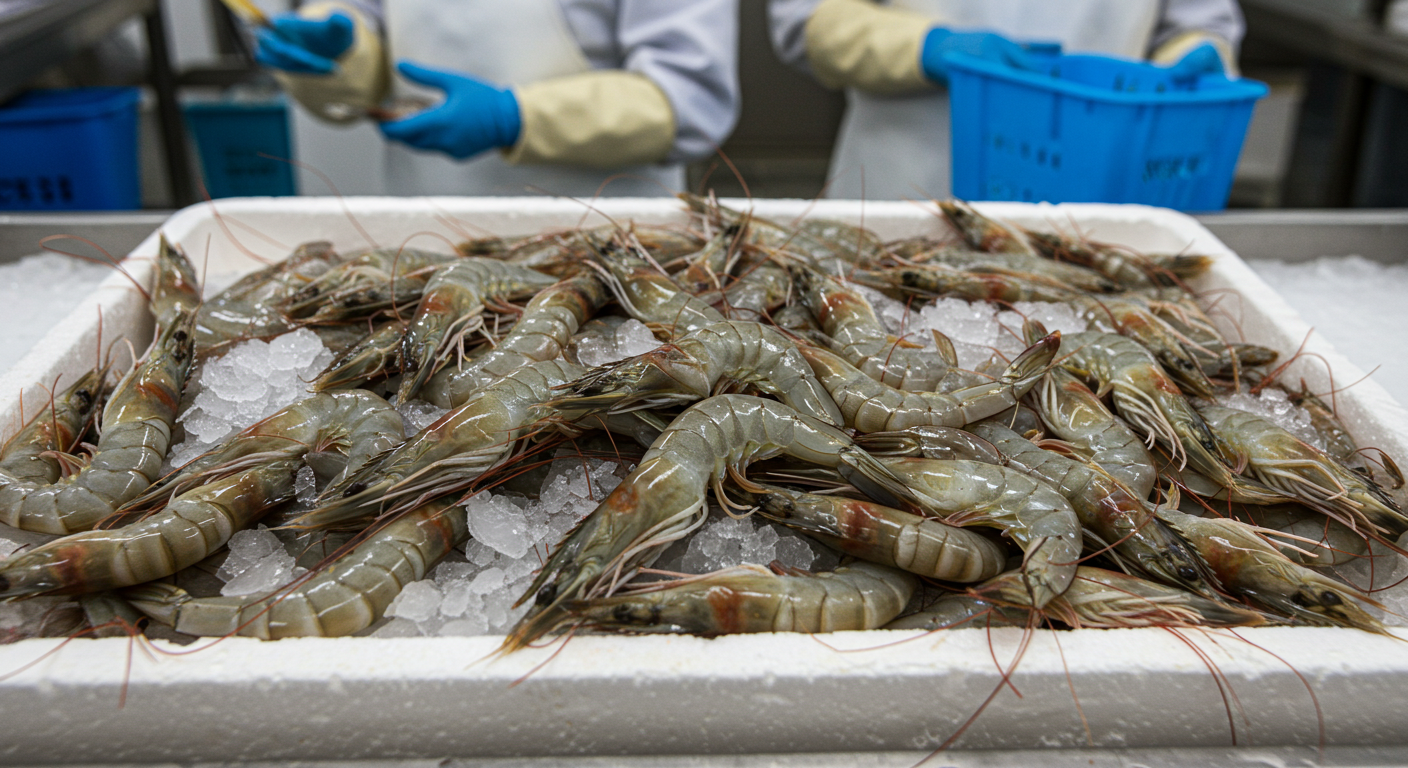
Reports have emerged of a trade dispute involving Chinese customs authorities and a number of Ecuadorian shrimp exporters, reportedly centered on sulfite testing standards. Ecuador is one of the world's largest shrimp exporters, and China is widely described as one of its most important markets, so any disruption to that trade relationship could ripple outward to seafood supply chains that many restaurants and diners depend on.
At this stage, the specific facts of the case — including which companies are affected, the scope of the suspension, and how long it might last — are not something this piece can independently confirm. The available source material consists of general domain references rather than dated, attributed reporting, so precise figures, timelines, and official statements cannot be verified from what was provided.
What can be said is that sulfite testing is a recognized food-safety and quality-control issue in the seafood trade. Sulfites are sometimes used as preservatives in shrimp processing to prevent discoloration, and different countries maintain different tolerance thresholds. When a major importing country tightens or enforces testing requirements, exporters can face shipment holds, rejected batches, or suspended registrations while compliance questions are sorted out. This is a familiar dynamic in global seafood trade, even when the details of a specific case remain unclear.
For restaurants and diners, the practical relevance of a story like this is less about the diplomatic or regulatory back-and-forth and more about supply and pricing. Shrimp is a staple menu item across many cuisines, and shifts in a major exporting country's ability to ship product can eventually affect availability or cost, particularly for establishments that rely on imported shrimp rather than domestic or regional sourcing.
Diners who are curious about where their seafood comes from may find this a useful moment to ask restaurants about their shrimp sourcing, whether that's imported, farmed, or wild-caught, and from which region. Restaurants, in turn, may want to stay attentive to supplier communications in the coming weeks, since trade disputes of this kind can resolve quickly or drag on depending on the regulatory issues involved.
Because the underlying details of this specific dispute could not be verified through dated, attributed reporting, readers interested in the full trade and regulatory picture should look to primary customs and trade-industry sources directly for updates.