Chicha and Sweets for a Century: Jaramijó Marks 100 Years of San Pedro y San Pablo
Chicha and Sweets for a Century: Jaramijó Marks 100 Years of San Pedro y San Pablo
A Century of Faith and Flavor in Jaramijó
In the coastal town of Jaramijó, Manabí, 2026 marks a significant milestone: the 100th anniversary of the San Pedro y San Pablo religious festivities. This centennial is as much a celebration of culinary heritage as it is a religious observance, with food and drink serving as living expressions of community identity passed down through generations.
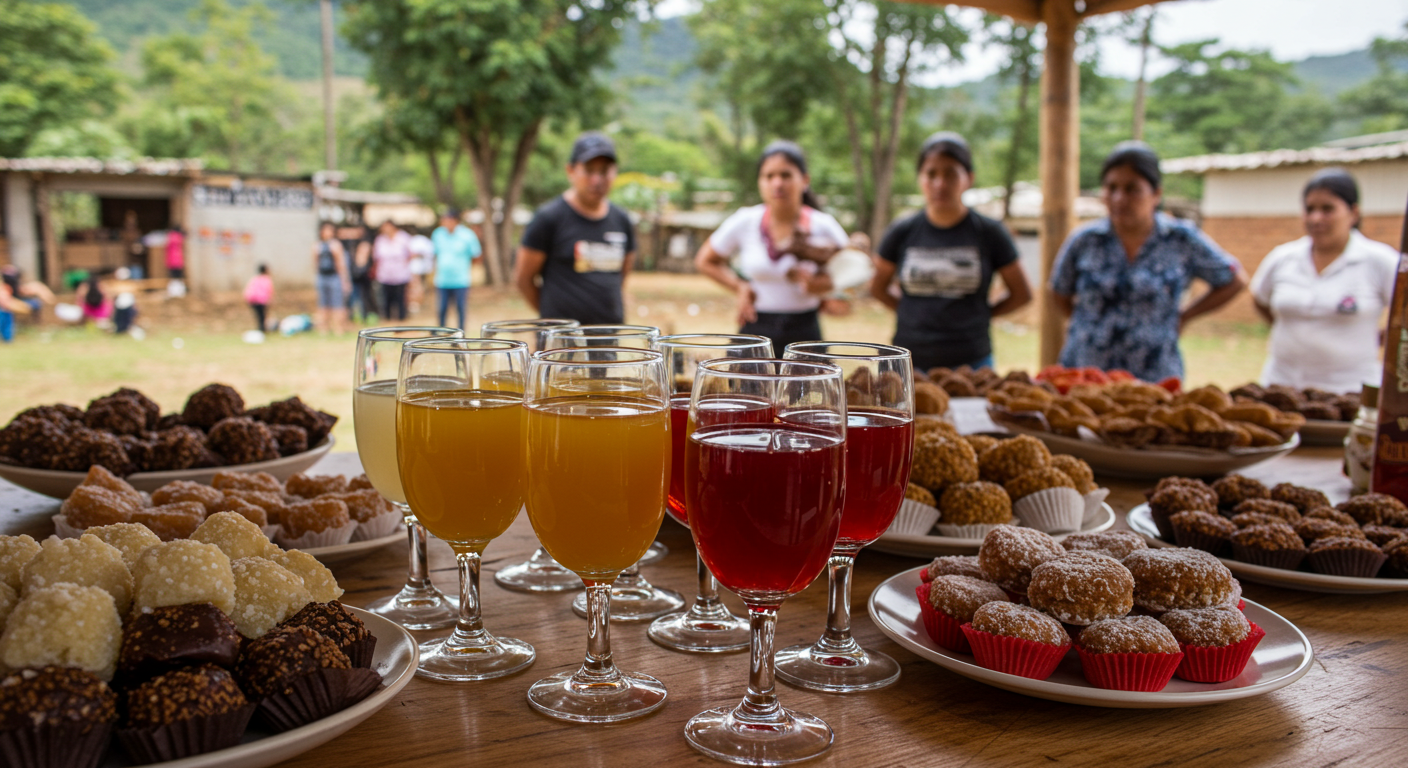
At the heart of the festivities lies the Chicha and Dulce fair, a cultural centerpiece that draws residents and visitors alike into a shared experience of tradition, faith, and flavor.
The 2026 Calendar: Corpus Christi to Traditional Festivities
Primicias reports that the 2026 religious calendar begins with a Corpus Christi observance on August 10, followed by the traditional festivities running from August 16 to 24. This sequence of dates has long anchored the rhythm of community life in Jaramijó, with anticipation building throughout the year as residents prepare for the celebrations.
The alignment of Corpus Christi with the broader San Pedro y San Pablo festivities reflects patterns seen elsewhere in Latin America, where religious feast days often serve as touchpoints for community gatherings and cultural expression.
Chicha and Dulce: The 26th Edition of a Culinary Tradition
The 2026 edition of the Chicha and Dulce fair marks its 26th consecutive year, a run that local organizers and vendors describe as a deliberate project of cultural rescue and preservation. According to Goraymi, at least 40 stands typically participate, offering a mix of criollo food, traditional sweets, handcrafted goods, and the fair's signature beverage, chicha.
Many who have followed the fair's evolution describe it not simply as a market, but as an intentional effort to keep ancestral practices visible and accessible to new generations.
The Making of Chicha: An Ancestral Craft
Central to the fair is chicha itself, a fermented maize-based drink whose preparation takes up to four days. Recipes commonly include maize, cinnamon, anise, and pineapple, combined through methods that local artisans describe as inherited knowledge—what is often referred to as a saber ancestral passed down through generations of women in the community.
This transmission of technique from grandmothers to daughters and granddaughters is frequently framed by participants as a form of living heritage, where the drink itself becomes a symbol of continuity and identity for Jaramijó.
Criollo Flavors and Everyday Prices
Alongside chicha, vendors offer a range of criollo dishes and traditional sweets. Fritada de chancho is a popular option, priced at around USD 5 per serving, while a glass of chicha typically costs about USD 1.
These accessible price points are often highlighted as part of the fair's community-oriented character, allowing residents across different means to participate in the shared celebration rather than positioning the event as an exclusive or upscale attraction.
Voices of the Vendors: Keeping Tradition Alive
A recurring theme in coverage of the festival, including reporting from El Mercurio Manta, is the presence of longtime vendors and artisans, some of whom have participated for 40 years or more. Their testimonies often emphasize personal and generational connections to the fair—memories of learning recipes from relatives, or of watching the festival grow over decades.
Municipal authorities, including the Gobernación de Manabí, are frequently cited as playing a supporting role in sustaining the tradition, coordinating logistics and lending institutional backing to what is largely a community- and family-driven effort.
A Legacy Rooted in Manabí's Gastronomic Heritage
Jaramijó's centennial celebration sits within a broader context of Manabí's ancestral and criollo cooking traditions, a regional culinary identity documented and celebrated across the province. Observers connecting local festivals to this wider heritage suggest that events like the Chicha and Dulce fair function as touchpoints preserving culinary practices that might otherwise fade with time.
As Jaramijó reaches its hundredth year of San Pedro y San Pablo festivities, many in the community express hope that the traditions—religious observance, ancestral chicha-making, and communal gathering—will continue to be carried forward by future generations, ensuring that both faith and flavor remain intertwined in the town's identity for years to come.