Best Restaurants in Cuenca for Traditional Ecuadorian Food
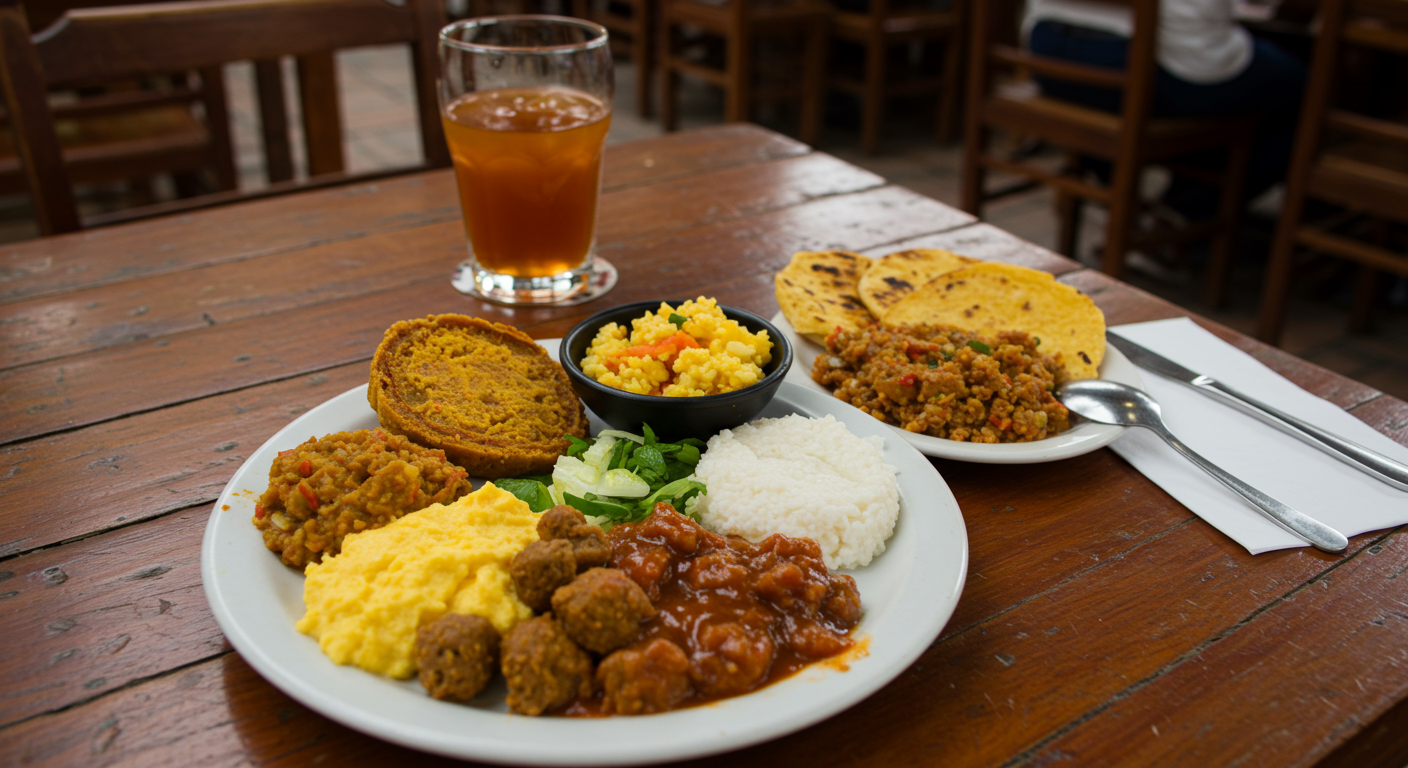
Cuenca's food scene is a treasure trove for anyone wanting to experience authentic Ecuadorian cuisine. This UNESCO World Heritage city has kept its culinary traditions alive while creating a dining scene that celebrates the best of Andean cooking. Whether you're craving perfectly roasted cuy or hearty locro de papa, Cuenca delivers flavors that tell the story of Ecuador's rich cultural heritage.
Why Cuenca is Perfect for Traditional Food Lovers
Cuenca sits high in the Andes, surrounded by fertile valleys that produce some of Ecuador's best ingredients. The city's markets overflow with fresh corn, native potatoes, beans, and quinoa—the building blocks of traditional Ecuadorian cooking. This abundance of local ingredients means restaurants can serve dishes made the way they've been prepared for generations.
The must-try dishes include cuy (roasted guinea pig), locro de papa (creamy potato soup), hornado (slow-roasted pork), and llapingachos (crispy potato patties). What makes Cuenca special is how you can find these dishes everywhere—from elegant restaurants that put a refined spin on classics to tiny family-run places where grandmothers still use their mothers' recipes.
The city offers something unique: you can eat the same traditional dish at a white-tablecloth restaurant and a neighborhood joint, experiencing how different cooks interpret centuries-old recipes.
Upscale Traditional Restaurants
Cuenca's finer dining establishments take traditional Ecuadorian dishes and elevate them without losing their authentic soul. These restaurants often occupy beautifully restored colonial buildings, where you can enjoy refined versions of classic dishes in elegant courtyards or dining rooms with original stone walls.
What sets these places apart is their commitment to quality ingredients and careful preparation. Many work directly with local farms to source organic vegetables and heritage varieties of traditional ingredients. The presentations might be more polished, but the flavors remain true to their roots.
Expect to spend $15-30 per person for a complete meal at these establishments. The extra cost gets you attentive service, carefully prepared dishes, and often a more extensive wine selection featuring Ecuadorian vintages. Reservations are smart, especially on weekends when these spots fill up with both locals celebrating special occasions and visitors seeking memorable meals.
Neighborhood Gems and Family Favorites
The real heart of Cuenca's traditional food scene beats in its neighborhood restaurants and family-run eateries. These are the places where recipes haven't changed in decades, where the owner's grandmother taught them to make the perfect seco de cabrito, and where locals line up for lunch every day.
Don't expect fancy decor at these spots—the magic happens in the kitchen. Family restaurants often specialize in just a few dishes, perfecting them over years of daily preparation. The owners know their regulars by name and take genuine pride in serving food that connects people to Ecuadorian traditions.
These casual favorites offer incredible value, with most meals costing $3-8. During lunch hours, many serve traditional almuerzos—complete set meals with soup, a main course, and a drink. It's common to see construction workers, office employees, and families all sharing tables and enjoying the same hearty, satisfying food.
Where to Find the Best Traditional Specialties
Some dishes require special skills and equipment, so certain restaurants have earned reputations as the go-to places for specific traditional foods. Cuy preparation, for instance, is an art form that involves special roasting techniques and seasoning knowledge passed down through generations.
Hornado presents its own challenges—the pork must be slow-roasted for hours, starting before dawn to be ready for lunch service. The best hornado places often run out by mid-afternoon, so timing your visit is crucial if you want to try this beloved dish.
Seasonal specialties add another layer to Cuenca's food calendar. During corn season, restaurants feature fresh choclo con queso, while different potato harvests bring varieties perfect for specific traditional preparations. Some restaurants also specialize in dishes from particular regions around Azuay province, offering subtle variations in seasoning and cooking methods that reflect local preferences.
Market Food Adventures
Cuenca's traditional markets offer some of the most authentic and affordable food experiences in the city. Inside the bustling Mercado 10 de Agosto and other neighborhood markets, small stalls and humble restaurants serve breakfast and lunch dishes made fresh daily with ingredients bought from vendors just steps away.
Market dining gives you a front-row seat to local food culture. You can watch vendors preparing traditional breakfast items like bolon de verde (fried plantain balls) and fresh empanadas, then enjoy them alongside locals starting their day. The atmosphere is lively, with the sounds of vendors calling out their wares and the aromas of dozens of different foods filling the air.
Timing matters for market dining—arrive in the morning or early afternoon for the freshest selections. Prices are incredibly reasonable, often $2-5 for complete meals, making markets perfect for budget-conscious travelers who don't want to compromise on authenticity. The social atmosphere also provides natural opportunities to practice Spanish and learn about local customs from friendly vendors and fellow diners.
Making the Most of Your Traditional Food Journey
Understanding local dining rhythms will enhance your food experiences in Cuenca. Ecuadorians eat their main meal at lunch, so many traditional restaurants offer their full menu and best dishes during midday hours. Evening dining tends to focus on lighter fare—soups, snacks, and simpler preparations.
For specialty dishes like hornado, plan to arrive for lunch since these slow-cooked items are prepared in limited quantities. If you're curious about a dish you've never tried, ask your server about ingredients and preparation methods. Most restaurant owners and staff love sharing stories about their traditional recipes and family cooking techniques.
Budget-wise, you can eat wonderfully for very little money at markets and casual restaurants, or splurge on refined traditional cuisine at upscale establishments. Most places accept cash, though nicer restaurants increasingly accept cards. Don't be afraid to venture beyond the tourist areas—some of the best traditional food happens in residential neighborhoods where locals eat every day.
The key to great traditional food experiences in Cuenca is staying open to new flavors and embracing the social aspects of Ecuadorian dining culture. Food here isn't just sustenance—it's a connection to history, family, and community that makes every meal memorable.