Best Restaurants in Cuenca for Traditional Ecuadorian Food
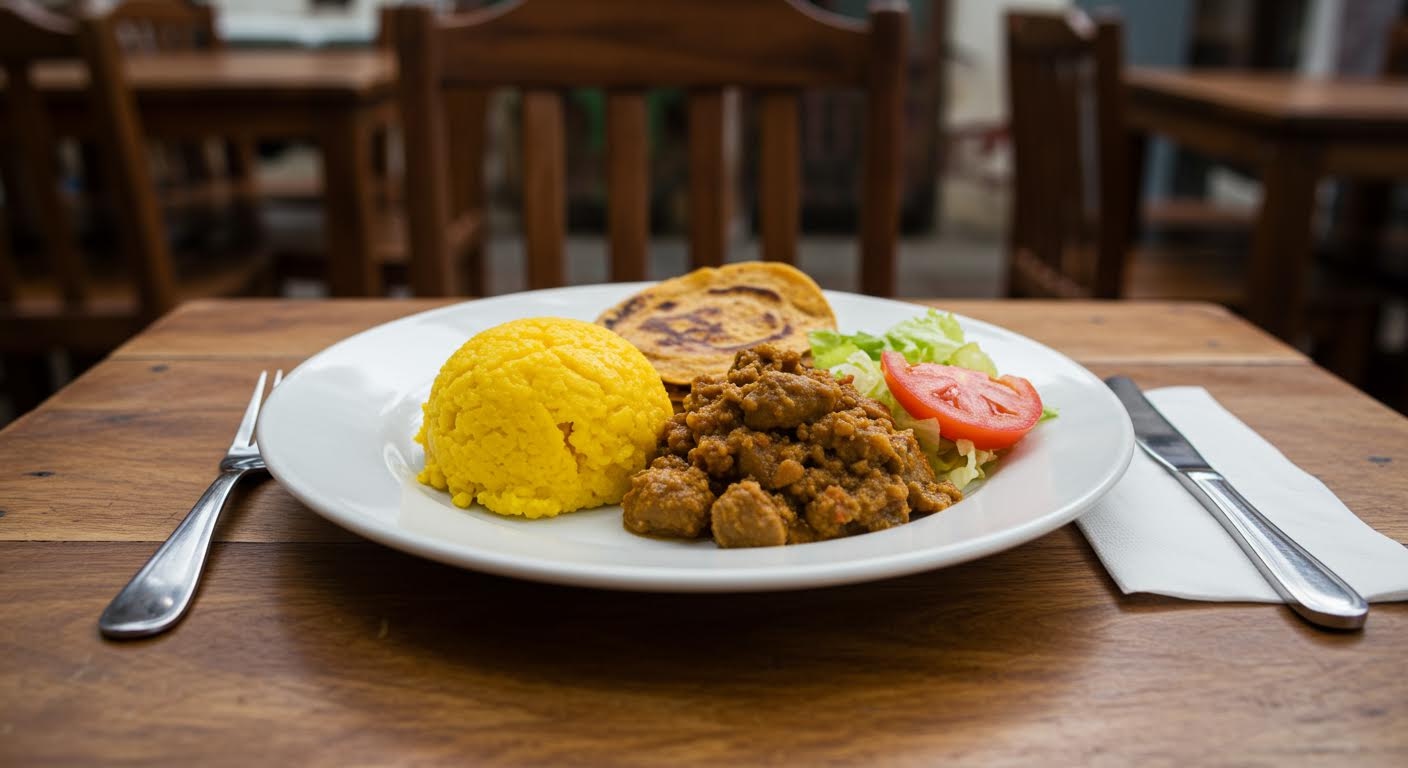
Cuenca's dining scene offers an exceptional window into Ecuador's rich culinary traditions, where centuries-old recipes continue to thrive in both humble neighborhood kitchens and elegant restaurant settings. As the cultural heart of southern Ecuador, this UNESCO World Heritage city has preserved its gastronomic heritage while embracing modern culinary techniques, creating a dining landscape that satisfies both traditionalists and adventurous food lovers.
Introduction to Cuenca's Traditional Food Scene
The culinary identity of Cuenca is deeply rooted in indigenous, Spanish, and mestizo influences that have evolved over hundreds of years. The city's location in the fertile Azuay province provides access to exceptional highland ingredients, from native potatoes and corn varieties to fresh trout from mountain streams and the famous cuy (guinea pig) that remains a celebrated delicacy.
Traditional Ecuadorian dishes in Cuenca reflect the region's agricultural abundance and cultural diversity. Signature preparations include hornado (slow-roasted pork), locro de papas (potato soup with cheese and avocado), mote pillo (hominy with eggs), and seasonal specialties like fanesca during Easter. What makes Cuenca's food scene special is how authentic cooking methods have been preserved alongside innovative interpretations that respect traditional flavors while appealing to contemporary tastes.
Upscale Traditional Restaurants
Several refined establishments in Cuenca's historic center have elevated traditional Ecuadorian cuisine without compromising its authentic character. These restaurants typically feature elegant colonial settings with carefully curated menus that showcase regional specialties using premium local ingredients.
High-end traditional restaurants in Cuenca often present familiar dishes with sophisticated plating and refined preparation techniques. You'll find expertly prepared hornado served with artisanal bread, gourmet versions of locro de papas garnished with local herbs, and creative interpretations of traditional desserts. These establishments usually require reservations, especially on weekends, and dinner prices typically range from $15-30 per person.
The atmosphere in upscale traditional restaurants combines colonial architecture with contemporary comfort, making them perfect for special occasions or when you want a more polished dining experience while still enjoying authentic flavors. Many feature extensive wine lists highlighting South American selections that complement traditional Ecuadorian dishes.
Authentic Local Comedores and Family-Run Establishments
The heart of Cuenca's traditional food scene beats strongest in its neighborhood comedores, where family recipes pass from generation to generation and locals gather for daily meals. These unpretentious establishments offer the most authentic taste of home-style Ecuadorian cooking, often featuring handwritten menus and preparations that haven't changed in decades.
Family-run comedores typically specialize in a few dishes executed to perfection, with owners who take pride in maintaining recipes inherited from parents and grandparents. The atmosphere is casual and welcoming, with simple wooden tables and walls decorated with family photos and local memorabilia. Conversation flows easily between tables, creating a community dining experience that reflects Cuenca's friendly character.
These establishments offer exceptional value, with complete traditional meals typically costing $3-8. The portions are generous, and the food represents the truest expression of local culinary traditions. Many comedores operate only during lunch hours or close early in the evening, so timing your visits appropriately is essential.
Market Eateries and Street Food Spots
Cuenca's traditional markets provide an immersive culinary adventure where vendors prepare fresh traditional dishes throughout the day. The city's main markets, including Mercado 10 de Agosto and Mercado 9 de Octubre, house numerous food stalls specializing in different regional favorites.
Market eateries excel at breakfast and lunch preparations, with vendors arriving early to prepare fresh batches of traditional favorites. Popular morning options include mote pillo, fresh bread with local cheese, and hearty soups that provide sustenance for the day ahead. Lunch offerings typically feature daily specials like seco de cabrito, llapingachos, and various meat and potato combinations.
Street food culture in Cuenca maintains strong traditional roots, with vendors specializing in specific preparations passed down through families. Evening street food focuses on lighter options like humitas (steamed corn cakes), tostado (roasted corn), and fresh fruit preparations. For safety, choose vendors with high turnover and obviously fresh ingredients, while avoiding items that have been sitting out for extended periods.
Must-Try Traditional Dishes and Where to Find Them
Hornado represents one of Cuenca's most celebrated traditional dishes, featuring whole pork slow-roasted until the skin achieves perfect crispiness while the meat remains tender and flavorful. The best hornado preparations require hours of careful cooking, typically beginning before dawn to ensure availability by lunch time. Traditional accompaniments include mote, fried plantains, and aji (spicy sauce).
Cuy, while not for every palate, remains an important traditional delicacy with deep cultural significance in Ecuadorian highland cuisine. Restaurants specializing in cuy typically prepare it roasted whole and served with potatoes and salad. Most establishments require advance ordering, as proper cooking takes several hours.
Locro de papas showcases the region's exceptional potato varieties in a creamy, comforting soup enriched with local cheese and topped with avocado slices. Each restaurant adds its own touches, but the best versions balance the natural potato flavors with subtle herb and cheese accents. This dish appears on nearly every traditional menu and serves as an excellent introduction to Ecuadorian comfort food.
Regional specialties unique to Cuenca and Azuay province include cascaritas (crispy pork skin), morcilla (blood sausage), and various trout preparations that highlight the area's pristine mountain streams. These dishes reflect the specific geography and cultural influences of southern Ecuador.
Seasonal Specialties and Festival Foods
Cuenca's traditional dining calendar follows agricultural seasons and religious observances, with certain dishes appearing only during specific times of year. Understanding these seasonal patterns enhances your dining experience and provides opportunities to taste preparations unavailable year-round.
Fanesca, Ecuador's most famous seasonal dish, appears during the weeks leading up to Easter and represents a complex soup combining twelve different beans and grains with salt cod and various accompaniments. Each restaurant and family prepares fanesca differently, creating opportunities for comparison tastings during the brief season when it's available.
Harvest seasons bring special preparations highlighting fresh crops, while religious festivals often feature specific traditional foods associated with celebrations. Christmas season introduces unique sweets and beverages, while local saints' days may feature particular specialties prepared only for those occasions.
Planning visits around seasonal offerings requires understanding local agricultural cycles and religious calendar, but rewards diners with access to traditional preparations that connect directly to Cuenca's cultural rhythms.
Practical Dining Tips
Traditional restaurants in Cuenca typically serve their freshest dishes during lunch hours, roughly 12:00-2:00 PM, when daily preparations reach peak quality. Many family-run establishments prepare limited quantities of signature dishes, so arriving early ensures the best selection and quality.
Price expectations vary significantly across different restaurant categories, from $2-4 for market meals to $8-12 for comedor dining and $15-30 for upscale traditional restaurants. Cash remains preferred at most traditional establishments, though credit cards are increasingly accepted at higher-end venues.
Cultural etiquette emphasizes politeness and patience, as traditional cooking methods don't rush. Learning basic Spanish food vocabulary enhances the experience, particularly terms for local specialties and cooking preferences. Asking about daily specials often leads to the freshest and most authentic options.
Understanding meal timing helps maximize your traditional dining experience, as lunch remains the primary meal when the greatest variety of traditional dishes is available. Evening dining tends toward lighter options, while breakfast showcases different traditional preparations suited to morning appetites.