Best Restaurants in Cuenca for Traditional Ecuadorian Food
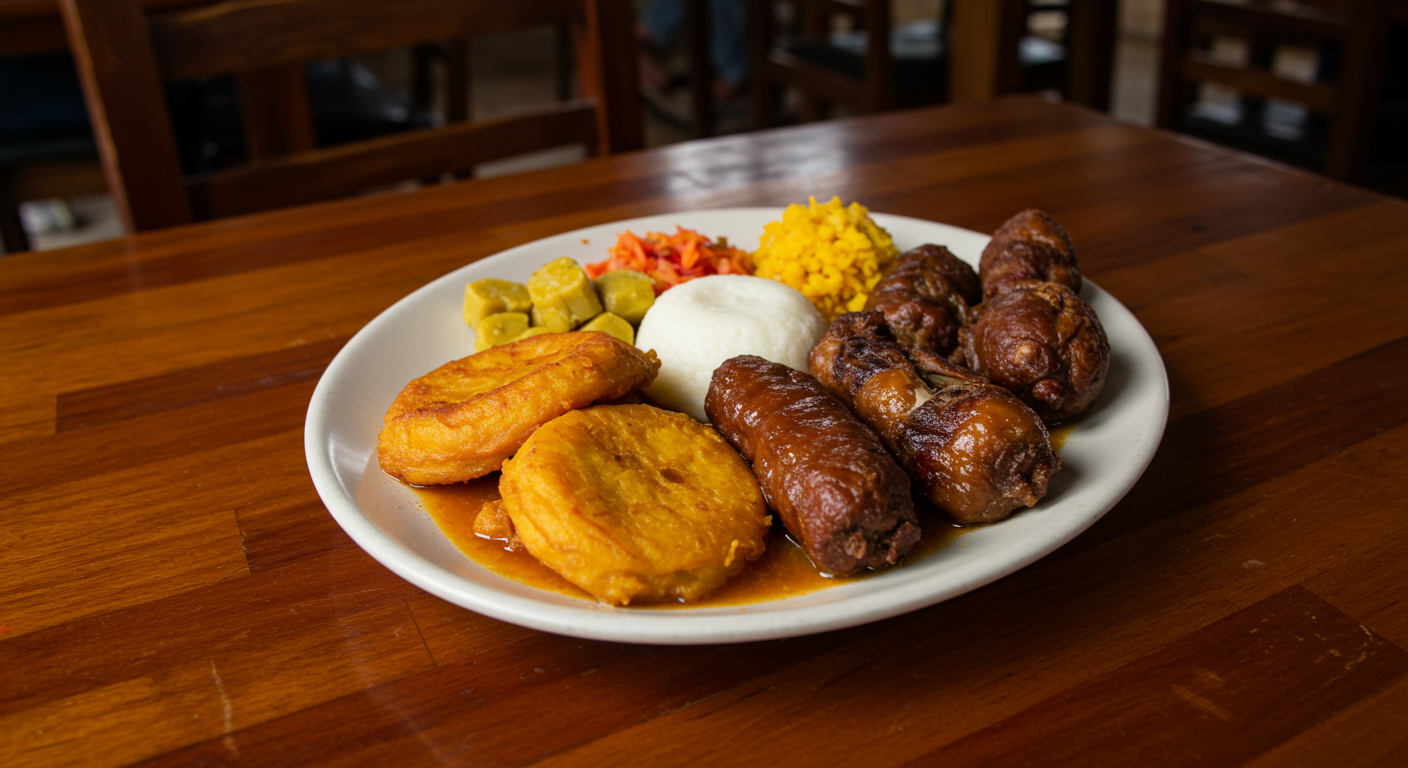
Cuenca, Ecuador's cultural capital nestled in the Andes, offers one of the country's most authentic and diverse traditional dining scenes. As a UNESCO World Heritage site with deep indigenous and colonial roots, the city has preserved culinary traditions that reflect centuries of cultural fusion. The restaurants here serve everything from refined interpretations of classic dishes to humble, family-style preparations that have remained unchanged for generations.
What sets Cuenca's food scene apart is its commitment to authenticity. Many establishments source ingredients from local markets and maintain traditional cooking methods passed down through families. The city's location in Azuay province means diners can experience regional specialties alongside national favorites, creating a comprehensive taste of Ecuadorian gastronomy.
Upscale Traditional Restaurants
For those seeking traditional Ecuadorian cuisine with refined presentation and elegant atmospheres, several upscale restaurants in Cuenca excel at elevating classic dishes without compromising their authenticity. These establishments typically feature carefully prepared versions of signature dishes like cuy (guinea pig), hornado (roasted pork), and regional soups.
The best upscale traditional restaurants often occupy historic colonial buildings, creating an ambiance that complements the heritage cuisine. Expect to pay premium prices, typically ranging from $25-45 per person for a complete meal with drinks. Reservations are strongly recommended, especially during peak tourist seasons and weekends.
These restaurants often feature extensive wine lists focusing on South American selections that pair well with traditional flavors. The service tends to be more formal, with knowledgeable servers who can explain dish preparation and ingredients, making them excellent choices for first-time visitors to Ecuadorian cuisine.
Authentic Local Favorites
The heart of Cuenca's traditional dining scene lies in its family-run restaurants and neighborhood comedores, where locals have gathered for generations to enjoy authentic home-style cooking. These establishments prioritize flavor and tradition over presentation, often serving generous portions at remarkably affordable prices.
Local markets, particularly Mercado 10 de Agosto and Mercado 9 de Octubre, house numerous food stalls serving fresh, traditional preparations throughout the day. Here you'll find some of the city's best locro de papa (potato soup), sancocho (hearty stew), and fresh empanadas prepared by vendors who learned their recipes from family members.
Many of the most beloved local spots operate without formal names, known simply by their location or the proprietor's name. These hidden gems typically serve a rotating menu based on available ingredients and seasonal specialties. Don't expect English menus, but the experience of ordering through gestures and basic Spanish often leads to delightful surprises.
The atmosphere in these establishments is casual and communal, with shared tables and lively conversation. Meals typically cost between $3-8 per person, including drinks and often multiple courses.
Regional Specialties and Signature Dishes
Cuenca's restaurants excel at preparing Azuay province's distinctive regional dishes, many of which differ significantly from preparations found elsewhere in Ecuador. The city is particularly renowned for its cuy preparations, with several restaurants specializing exclusively in this traditional protein.
Traditional soups form the foundation of many meals, with restaurants serving dozens of varieties based on seasonal ingredients. Locro de papa remains a staple, but you'll also find specialized versions incorporating local cheese, fresh herbs, and regional vegetables. Potato-based dishes are especially prominent, reflecting the area's agricultural heritage.
Seasonal specialties appear throughout the year, particularly during religious festivals and harvest times. Many restaurants offer special menus during Corpus Christi, Easter, and Christmas, featuring dishes prepared only during these periods. Festival foods like fanesca (a complex soup served during Easter week) require advance planning and are often available only at select establishments.
Several restaurants specialize in chicharrón and hornado, preparing large quantities in traditional outdoor ovens. These establishments typically serve on weekends when local families gather for extended meals.
Mid-Range Traditional Options
Between the upscale restaurants and local comedores lies a category of establishments that successfully balance authenticity with accessibility for international visitors. These restaurants maintain traditional cooking methods while offering comfortable dining environments and some accommodation for non-Spanish speakers.
Many mid-range traditional restaurants excel at almuerzo service, offering complete lunch menus that include soup, a main course, dessert, and drink for reasonable fixed prices. These meals represent excellent value and provide authentic experiences without overwhelming unfamiliar diners.
Family-friendly options in this category often feature expanded menus with both traditional and slightly adapted dishes, making them ideal for groups with varying appetites for culinary adventure. Children's portions and milder preparations are typically available upon request.
Prices in mid-range establishments generally fall between $10-20 per person for complete meals. Service strikes a balance between the formality of upscale restaurants and the casualness of local comedores, with staff often speaking some English and willing to explain dish preparations.
Practical Dining Tips
Understanding local dining customs enhances any traditional restaurant experience in Cuenca. Lunch remains the day's primary meal, with most traditional restaurants serving their full menus between 12:00-3:00 PM. Evening dining tends to be lighter, though many establishments serve complete dinners starting around 7:00 PM.
Learning key Spanish phrases for common ingredients and preparations proves invaluable when ordering. Terms like "picante" (spicy), "sin carne" (without meat), and "casero" (homemade) help navigate menus and communicate preferences. Most traditional restaurants appreciate attempts to speak Spanish, regardless of fluency level.
Cultural etiquette in traditional restaurants is generally relaxed, though showing respect for local customs is appreciated. Meals are social occasions meant to be enjoyed slowly, so rushing through courses may seem unusual. Tipping ranges from 10-15% in upscale establishments, while local comedores often operate on an exact change basis.
Cash remains preferred in many traditional restaurants, particularly smaller establishments and market stalls. While larger restaurants accept credit cards, carrying small bills ensures smooth transactions and appropriate tips for servers.