Best Authentic Olive Oils: Your Guide to Finding Premium Extra Virgin Oils
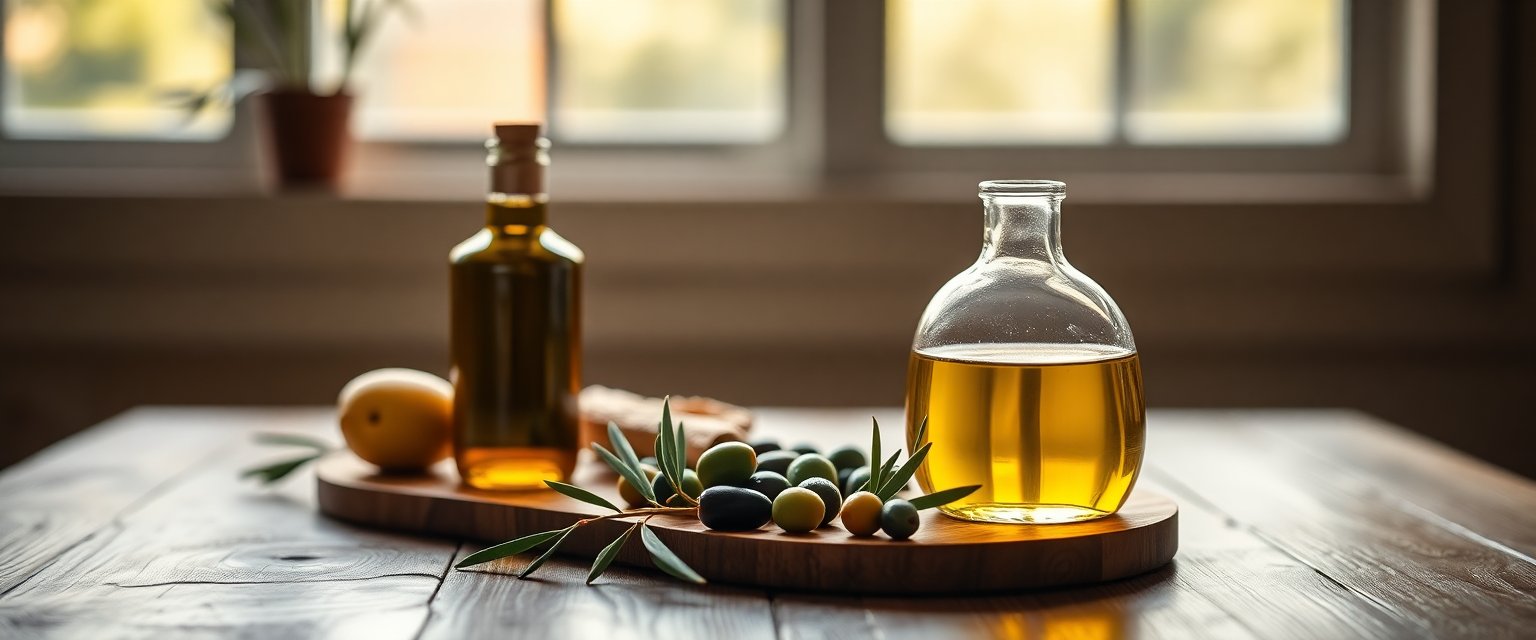
Finding authentic olive oil shouldn't feel like solving a mystery, but with so many mislabeled products on the market, it often does. Real extra virgin olive oil delivers incredible flavor and health benefits—when you know exactly what to look for and where to shop.
What Makes Olive Oil Truly Authentic
The key to understanding olive oil authenticity starts with knowing the grades. Extra virgin olive oil represents the gold standard: mechanically extracted without heat or chemicals, with acidity levels staying below 0.8%. Virgin olive oil allows slightly higher acidity, while refined oils go through chemical processing that strips away the good stuff—beneficial compounds and authentic flavors.
Here's something most people don't know: harvest dates matter way more than expiration dates. Quality producers proudly display harvest dates because olive oil tastes best within 18-24 months of pressing. Always look for oils pressed during the current or previous harvest season.
Cold-press extraction is your friend. This method keeps temperatures below 80°F during extraction, preserving natural antioxidants, polyphenols, and that authentic taste you're after. Heat processing destroys these valuable compounds.
Look for origin certifications like Protected Designation of Origin (PDO) or Protected Geographical Indication (PGI) labels. These guarantee your oil comes from regions famous for quality production and follows traditional methods.
Red flags for fake oils include missing harvest dates, vague origin descriptions like "packed in Italy," and prices that seem too good to be true. Authentic extra virgin olive oil can't be made cheaply—the harvesting and pressing processes are simply too labor-intensive.
Top Authentic Olive Oil Brands by Region
California leads the charge in American olive oil production. California Olive Ranch delivers consistent quality at reasonable prices, while Cobram Estate brings award-winning Australian expertise to California orchards with verified harvest dates and rigorous testing.
Italian excellence shines brightest in Tuscany, where Laudemio consortium members follow strict quality standards and time-honored methods. Sicily's Frantoi Cutrera offers distinctive flavors backed by generations of family expertise and regional certification.
Spain's Andalusia and Catalonia regions provide exceptional value. Núñez de Prado maintains traditional stone-pressing methods, while these regions benefit from perfect climate conditions and centuries of olive-growing knowledge.
Greek oils from Kalamata and Crete offer unique characteristics from native olive varieties. Producers like Gaea balance traditional methods with modern availability, giving you authentic taste without the hunt.
Expect to pay $15-40 per liter for authentic extra virgin olive oil. Anything under $10 per liter usually means corners were cut somewhere in the production process.
Shopping Smart for Quality Olive Oil
Packaging tells you everything. Dark glass bottles or metal tins protect oil from light damage, while clear plastic containers often signal lower quality. Labels should clearly show harvest dates, specific origin details, and certification marks from recognized testing organizations.
Specialty stores typically beat supermarkets for selection and storage conditions. Staff members usually know their products and can guide your choices. Online purchasing works great when buying directly from reputable producers who handle shipping properly.
Certifications worth seeking include California Olive Oil Council seals, North American Olive Oil Association marks, and international PDO/PGI designations. These mean third-party testing verified the quality claims.
The sweet spot for quality without paying marketing premiums usually falls between $20-35 per liter. Ultra-expensive oils might offer unique characteristics, but they're not necessarily better for everyday cooking.
Store your oil properly: cool, dark places away from the stove. Once opened, use within 3-6 months for peak flavor, regardless of what the expiration date says.
Tasting and Using Your Olive Oil
Professional tasting is easier than you think. Warm a small amount in cupped hands, smell the aroma, then take a small sip and let it coat your palate. Quality extra virgin oil should smell fresh and fruity—never musty or stale.
Flavor profiles vary dramatically by region and olive variety. That peppery sensation? It indicates high polyphenol content and freshness. Fruity notes suggest perfect harvest timing, while grassy or herbaceous flavors come from greener olives and provide more robust taste.
Match your oil to its purpose. Delicate oils shine when finishing dishes, drizzling over vegetables, or whisking into dressings where subtle flavors can stand out. Robust oils complement grilled meats, hearty vegetables, and dishes needing stronger olive presence.
Save your premium finishing oils for raw applications where you'll really taste them. Use quality but less expensive extra virgin oils for sautéing and roasting where some flavor compounds will cook off anyway.
Know when oil has gone bad: stale, nutty, or metallic flavors signal rancidity, along with musty or wine-like smells. These indicate oxidation or poor storage—time to replace that bottle.