Best Authentic Olive Oils: A Complete Guide to Finding Quality Extra Virgin Oils
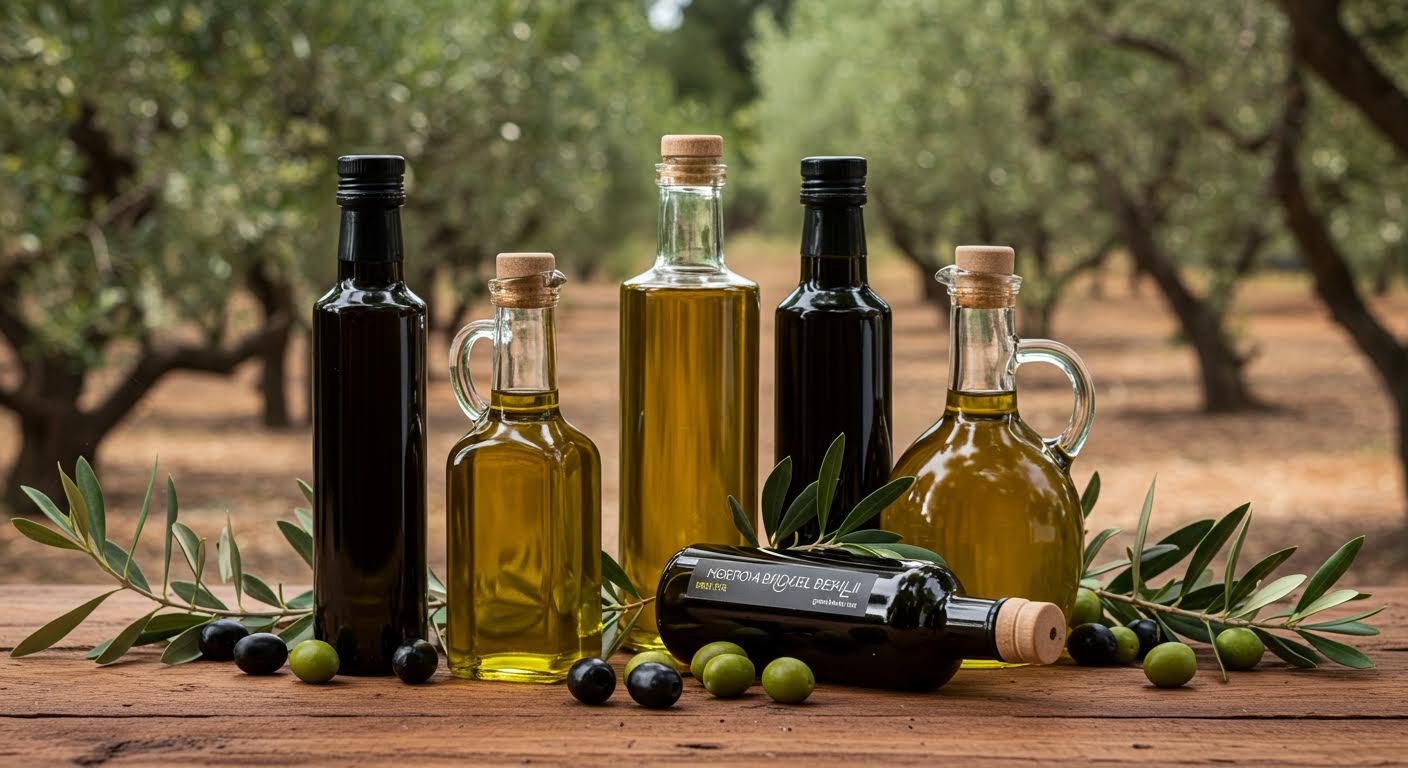
Finding authentic olive oil can feel overwhelming with countless options lining grocery store shelves. The difference between genuine extra virgin olive oil and lower-quality alternatives goes far beyond price—it's about flavor, health benefits, and culinary performance. Understanding what makes olive oil authentic empowers you to make informed choices that elevate your cooking.
What Makes Olive Oil Authentic
Authentic extra virgin olive oil must meet strict production standards. The oil comes from the first cold pressing of olives, with no heat or chemicals used during extraction. This mechanical process preserves the oil's natural flavors, aromas, and beneficial compounds.
The harvest date serves as one of the most important freshness indicators. Look for oils that display the harvest date rather than just a best-by date. Fresh olive oil should be consumed within 18-24 months of harvest for optimal flavor and nutritional benefits.
Single-origin oils come from olives grown in one specific region or estate, offering distinct flavor profiles that reflect their terroir. While blended oils can be high quality, single-origin varieties provide traceability and often superior taste complexity.
Third-party certifications add credibility to olive oil claims. Look for seals from organizations like the California Olive Oil Council, the International Olive Council, or organic certification bodies. These certifications verify that the oil meets specific quality and authenticity standards.
How to Identify Quality Before You Buy
Reading labels carefully reveals crucial authenticity markers. Genuine extra virgin olive oil labels include harvest dates, origin information, and acidity levels. The best oils typically have acidity levels below 0.5%, though the legal limit for extra virgin classification is 0.8%.
Packaging provides important quality clues. Dark glass bottles or tins protect olive oil from light damage, which can cause rancidity and flavor deterioration. Avoid oils in clear plastic bottles or those stored under bright lights.
Understanding acidity levels helps evaluate oil quality. Lower acidity indicates gentler olive handling and processing. Premium oils often display acidity levels of 0.2-0.3%, while acceptable extra virgin oils may reach 0.8%.
Several red flags indicate lower quality or potentially fraudulent oils. Be wary of extremely cheap prices, vague origin labels like "packed in Italy" without specifying where olives were grown, or oils lacking harvest dates. Terms like "light" or "pure" olive oil indicate refined products, not extra virgin varieties.
Regional Flavor Profiles and Characteristics
Mediterranean olive oils each offer distinct characteristics shaped by climate, soil, and tradition. Italian oils range from delicate Ligurian varieties to robust Tuscan oils with peppery finishes. Greek oils, particularly those made from Koroneiki olives, tend toward intense, fruity flavors. Spanish oils vary dramatically by region, from mild Andalusian varieties to bold Catalonian oils.
California olive oils represent the New World's contribution to quality oil production. These oils often feature bright, fresh flavors with less bitterness than some European counterparts. California producers frequently emphasize harvest date transparency and sustainable farming practices.
Olive variety significantly influences flavor profiles. Picual olives produce robust, peppery oils perfect for hearty dishes. Arbequina varieties create mild, buttery oils ideal for delicate preparations. Koroneiki olives yield intensely fruity oils that work well as finishing touches.
Matching oil characteristics to intended use enhances culinary results. Robust, peppery oils complement grilled meats and bitter greens, while mild varieties suit fish and delicate vegetables. Reserve premium oils for finishing dishes where their flavors can shine.
Top Authentic Olive Oil Recommendations
The best overall picks balance quality, flavor, and value across different price points. Mid-range options from established producers often provide excellent authenticity markers without premium pricing. Look for oils from California Olive Ranch, Cobram Estate, or Bondoost for reliable quality.
Premium finishing oils deserve investment for special occasions and flavor-forward dishes. Estate-bottled oils from renowned producers like Olio Verde, McEvoy Ranch, or Boundary Bend offer exceptional complexity and freshness that justify higher prices.
Reliable cooking oils maintain quality under moderate heat while providing good value. Spanish and Greek oils often excel in this category, offering robust flavors that enhance everyday cooking without breaking budgets.
Exceptional value finds include store brands that source from quality producers. Many supermarket chains now offer private-label extra virgin oils that meet authentic standards while providing significant savings over name brands.
Proper Storage and Usage Tips
Proper storage conditions preserve olive oil freshness and prevent rancidity. Store oils in cool, dark places away from heat sources like stoves or sunny windowsills. Pantries or cupboards maintain ideal conditions better than countertop storage.
Expect 18-24 months of optimal quality from purchase date, assuming proper storage. Once opened, use oils within 3-6 months for best flavor. Trust your senses—rancid oil smells musty or crayon-like and tastes unpleasantly bitter.
Different culinary applications benefit from specific oil characteristics. Use robust oils for sautéing vegetables or marinating meats. Reserve delicate oils for salad dressings or drizzling over finished dishes. Moderate heating preserves olive oil benefits better than high-temperature cooking.
Tasting olive oil at home develops your palate and helps evaluate purchases. Pour a small amount into a cup, cover briefly to concentrate aromas, then taste. Quality oils should smell fresh and fruity, with flavors ranging from mild to intensely peppery depending on variety.