As Machala Turns 202, the Best Way to Celebrate May Be Through Ceviche, Crab, and Encebollado
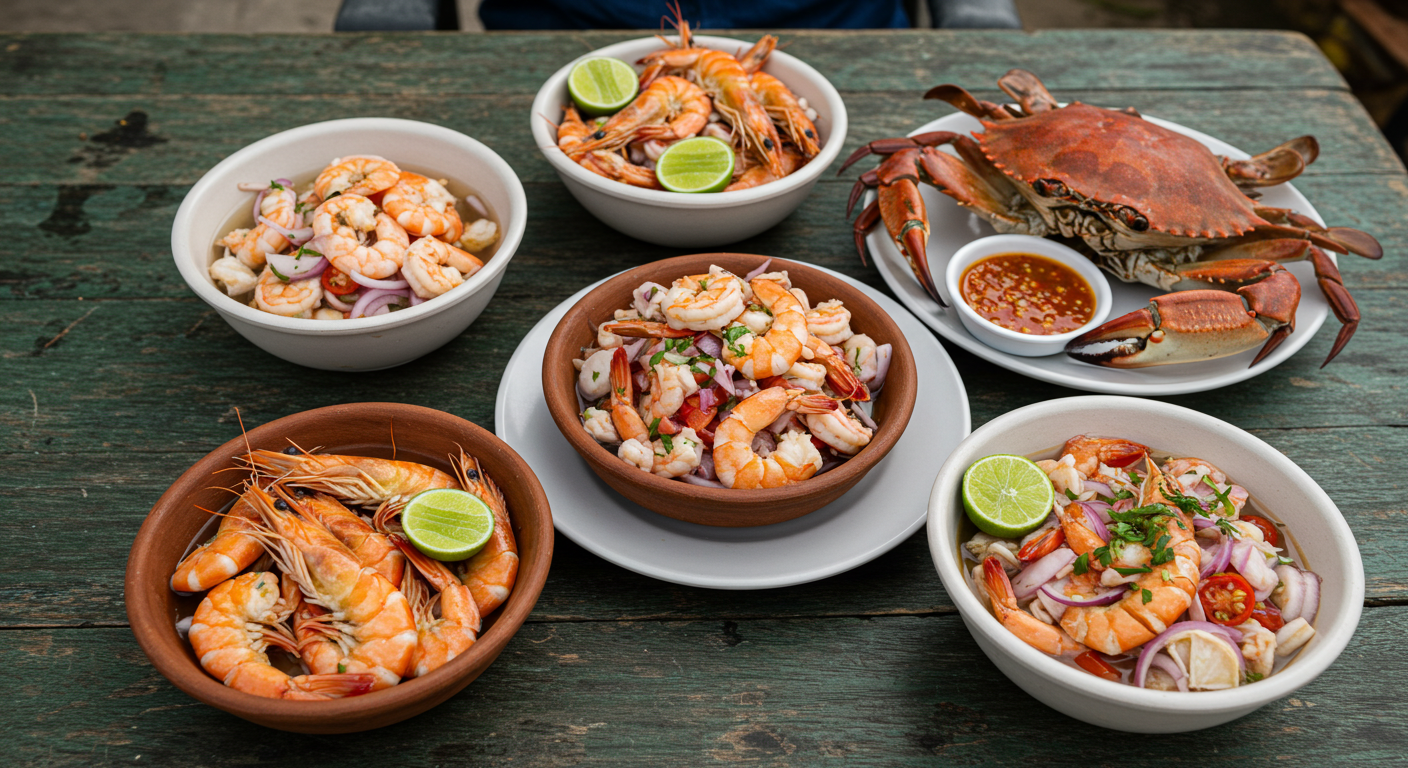
As Machala marks its 202nd anniversary, the occasion offers more than a civic milestone. It is also a natural time to experience the city through what so often defines it at street level and at the table: seafood. In local and regional tourism language, Machala is frequently linked to shrimp and to El Oro’s coastal food identity. For diners, that reputation becomes tangible in simpler, more immediate ways: a cold bowl of ceviche, a hands-on crab meal, or a steaming plate of encebollado.
That is what makes an anniversary-season food outing in Machala especially appealing. Rather than treating the city only as a place of parades, history, or official events, visitors can also understand it through its everyday dishes. The menus many people seek out are not abstract symbols of civic pride. They are the meals residents return to regularly, and they offer one of the clearest ways to understand the city’s pace, palate, and coastal character.
The seafood identity that shapes Machala
Machala’s public image is closely tied to shrimp, maritime commerce, and the broader culinary profile of El Oro. Official and tourism sources such as the Municipio de Machala and Oro Turismo emphasize that connection, while Ecuadorian outlets including El Universo and El Comercio have long associated the area with seafood production and coastal dining. Beyond the branding, though, what matters to diners is how that identity shows up in real eating habits. In Machala, seafood is not just a showcase product. It is part of casual lunches, family meals, market routines, and destination dining.
That helps explain why the city’s food scene feels both practical and celebratory. A visitor may find restaurants centered on shrimp specialties, simple cevicherías with loyal local followings, and spots known for broths or crab dishes that require a stack of napkins and a little patience. Machala’s food culture is not only about export fame. It is also about the way the coast eats every day.
Ceviche as the celebratory first stop
If there is one dish that works especially well as an introduction to Machala’s coastal palate, it is shrimp ceviche. Bright, chilled, and immediately expressive, it captures the region’s preference for seafood that feels vivid rather than heavy. Typical versions lean on citrus, onion, and herbs, often with familiar accompaniments on the side. Exact preparations vary from one kitchen to another, which is part of the appeal: ceviche is a category of local pleasure, not a single rigid formula.
In anniversary season, ceviche makes sense as both a practical and symbolic first stop. It can be a quick lunch, a shared starter, or the main reason to choose one seafood restaurant over another. It also reflects the rhythm of coastal dining, where freshness and balance matter as much as abundance. In Machala, a good ceviche is not only festive. It is everyday proof of the city’s connection to the sea.
Crab and the messier side of local flavor
Shrimp may dominate much of Machala’s reputation, but crab helps round out the city’s seafood story. It brings a different mood to the table: less polished, more tactile, and often more communal. Crab dishes are part of the appeal of eating on Ecuador’s southern coast because they slow the meal down. They ask diners to work a little, savor a little, and accept that the best bites do not always arrive neatly.
Depending on the restaurant, crab may appear in rich, brothy preparations or as a house specialty built around the pleasure of cracking shells and digging in. That range matters. It shows that Machala’s dining identity runs deeper than a single ingredient or talking point. For travelers who want a fuller picture of local seafood culture, crab is one of the best ways to move beyond the obvious.
Encebollado as coastal comfort
No serious food portrait of Machala would feel complete without encebollado. Where ceviche offers citrus brightness and cold refreshment, encebollado brings warmth, heft, and restoration. It is one of Ecuador’s defining coastal dishes, widely appreciated as a breakfast or lunch favorite and often sought out when diners want something comforting and deeply familiar.
In practical terms, encebollado is the kind of dish that grounds a seafood-heavy itinerary. It is hearty, savory, and built for appetite rather than ceremony. In Machala, its presence on menus links the city to the wider identity of the Ecuadorian coast while still fitting naturally into local dining life. For visitors, it is a useful reminder that coastal food culture is not only about celebration and acidity. It is also about broth, substance, and routine.
How to choose where to eat
For anyone dining in Machala during the anniversary period, the smartest approach is usually to think in specialties rather than searching for one place that does everything. Busy seafood restaurants often provide the clearest signal, especially when certain dishes keep appearing on neighboring tables. Freshness matters, of course, but so do house strengths. One restaurant may be the better choice for shrimp ceviche, another for crab, and another for a strong bowl of encebollado.
It also helps to look for places with a clear local rhythm. Seafood spots that stay active at lunch, keep focused menus, and inspire repeat orders tend to reveal more about the city than restaurants trying to cover every possible craving. In a place with such a strong culinary identity, diners are usually rewarded for following the specialties.
A city best understood at the table
Anniversaries often encourage people to ask what defines a city. In Machala’s case, one persuasive answer is found on the plate. Seafood traditions do more than feed visitors during a festive week. They express habit, geography, trade, memory, and pride. The celebration, in other words, is not limited to official programming. It also lives in the dishes people know by heart.
So if Machala at 202 inspires a closer look, start where the city feels most immediate and most flavorful. Begin with shrimp, continue with crab, order the ceviche, make room for encebollado, and let the meal do some of the explaining. To understand Machala, it helps to start at the table.