Are Carbohydrates Really Bad? The Ecuadorian Diet Perspective
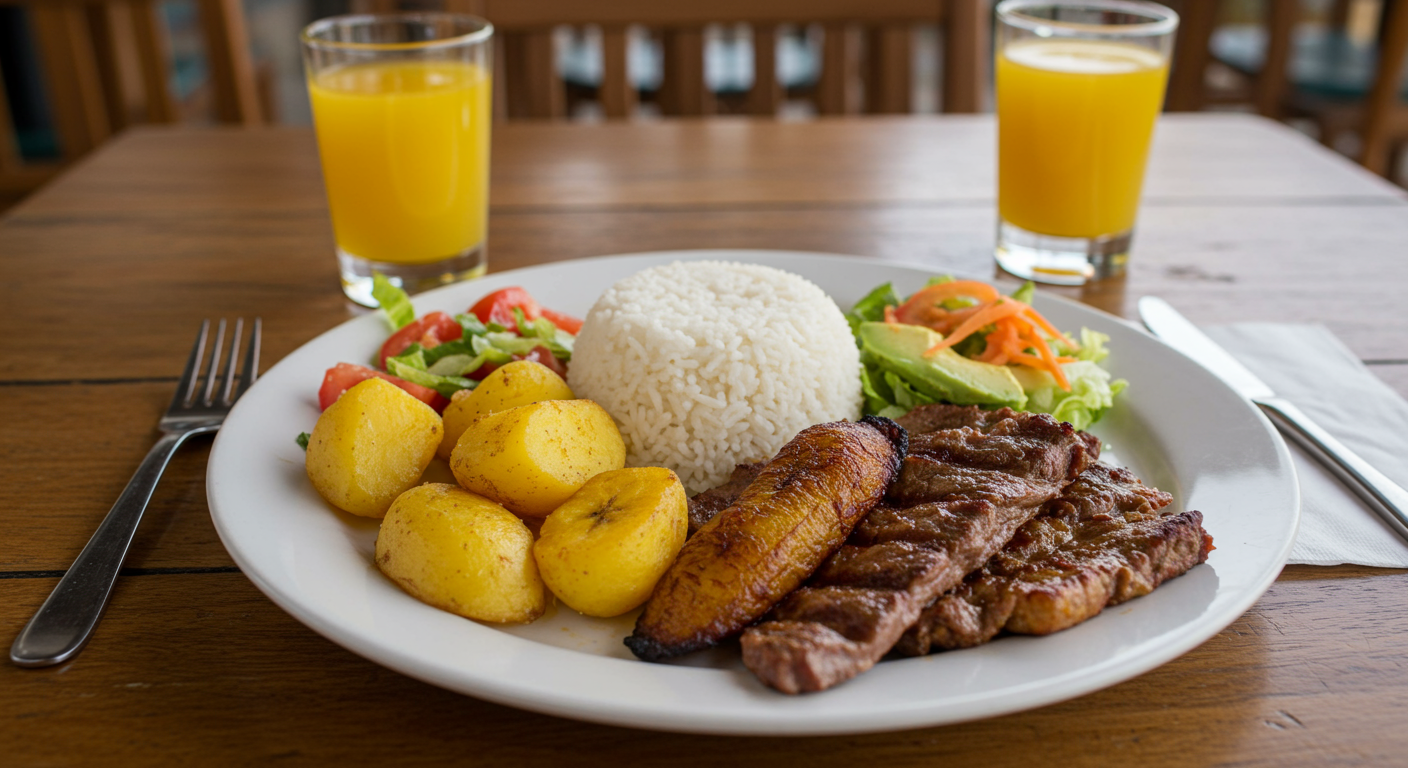
Carbohydrates often get cast as the villain of modern eating, but that idea is too simplistic to be very helpful. A better question is not whether carbs are bad, but which kinds of carbohydrates people are eating, how processed they are, and what the overall meal looks like. That matters even more in Ecuador, where many everyday foods are naturally rich in carbohydrates and deeply rooted in local cooking.
Why carbs get a bad reputation
A lot of the confusion comes from grouping very different foods into the same category. A plate of rice with beans, a serving of boiled yuca, and a sugary packaged snack all contain carbohydrates, but they are not nutritionally equal. According to Harvard T.H. Chan School of Public Health, whole and minimally processed carbohydrate foods generally provide more fiber, vitamins, minerals, and satiety than refined grains, sweets, and sugar-heavy drinks.
That distinction is especially important in Ecuadorian eating habits, where staple foods are often judged through the lens of international diet trends. Traditional carb-rich foods are not automatically unhealthy just because they contain starch. More often, the bigger issue is the degree of processing, the portion size, and what else is on the plate.
Carbohydrates are not inherently bad
Mainstream nutrition guidance continues to treat carbohydrates as a primary source of energy, not something that must be avoided. The World Health Organization emphasizes healthy overall dietary patterns, variety, and limiting heavily refined or sugar-laden foods rather than eliminating carbohydrates altogether.
Context matters. A carb-rich food eaten as part of a balanced meal with protein, legumes, vegetables, or healthy fats is very different from a large portion of refined starch paired with a sweet drink and dessert. Frequency matters too. An occasional indulgent plate is one thing; a daily pattern built around oversized portions and low-fiber, highly processed foods is another.
The Ecuadorian foods that make this question more complicated
In Ecuador, carbohydrate-rich foods are not fringe items or diet “cheats.” They are often the foundation of daily meals. Rice, corn, potatoes, plantains, yuca, and legumes appear across regions and social classes, whether in home cooking, markets, or restaurants. FAO Ecuador and Encyclopaedia Britannica both reflect how central these staples are to everyday life and local food culture.
That is why blanket statements like “carbs are bad” do not fit local reality very well. A bowl of menestra with rice, mote served with a traditional dish, locro built around potatoes, or simply prepared plantains are not the same as ultra-processed snacks, pastries, or sweetened beverages. Traditional staples can still fit comfortably into a healthy diet, especially when meals also include beans, vegetables, seafood, eggs, or lean meats.
What makes one carbohydrate choice better than another
In general, carbohydrate choices improve as foods become less refined and more nutrient-dense. Legumes, corn, potatoes, fruit, vegetables, and other minimally processed staples tend to offer more fiber and better staying power than white flour pastries, sweets, or heavily processed packaged foods. As the Harvard nutrition guidance notes, that can help with fullness and support a more balanced way of eating.
Preparation also matters. Boiled, stewed, roasted, or grilled dishes usually keep a food closer to its original form. Once a carb-rich ingredient is heavily fried, loaded with sugar, or served in oversized portions with multiple extras, the meal can become much heavier. The issue is not carbohydrates alone, but what has been done to them and what accompanies them on the plate.
How to eat carb-rich Ecuadorian meals more thoughtfully when dining out
When eating out, it helps to think in terms of balance rather than restriction. If a meal already includes rice, potatoes, plantains, or yuca, consider pairing that staple with beans, fish, seafood, eggs, chicken, or another protein source, and add vegetables when possible. That creates a more complete meal than simply doubling down on starch.
It is also worth paying attention to the extras that quietly push a meal from satisfying to excessive. Sugary drinks, very large portions, fried add-ons, and dessert on top of an already heavy plate can matter more than the staple itself. In many cases, choosing a traditional dish prepared more simply is the smarter option compared with ultra-processed or heavily sweetened alternatives.
A better takeaway than “carbs are bad”
For diners in Ecuador, the more useful takeaway is not to fear carbohydrates, but to be more selective about them. Ask which carbs are on the plate, how processed they are, how they were prepared, and whether the meal includes enough variety and balance.
Traditional Ecuadorian carbohydrate foods can absolutely belong in a healthy way of eating. Rice, corn, potatoes, plantains, yuca, and legumes do not need to be treated as nutritional enemies. A better goal is balance, variety, and less processing, not automatic suspicion of staple foods.