Are Carbohydrates Really Bad? The Ecuadorian Diet Perspective
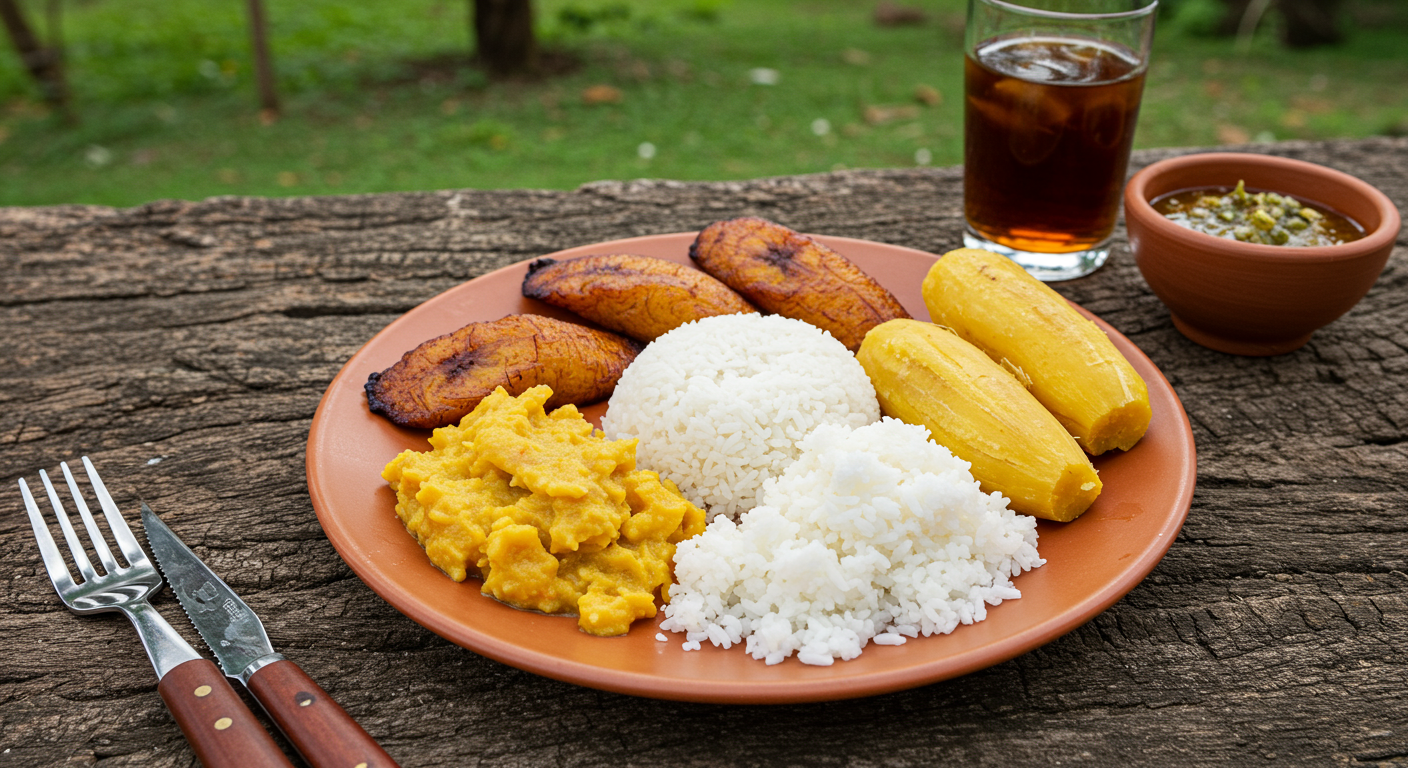
In an era dominated by low-carb diets and carbohydrate anxiety, Ecuador's traditional eating patterns offer a compelling counternarrative. For centuries, indigenous communities have thrived on carbohydrate-rich diets centered around quinoa, potatoes, plantains, and other native foods—suggesting that the modern war on carbs may be missing crucial nuances about food quality and cultural context.
What Health Experts Actually Say About Carbs
Despite popular diet trends, major health organizations maintain that carbohydrates are essential macronutrients. The World Health Organization recommends that carbohydrates comprise 45-65% of total daily calories, emphasizing their critical role in brain function and energy production. The Mayo Clinic similarly identifies carbohydrates as the body's primary fuel source, particularly important for proper brain and kidney function.
The key distinction lies not in eliminating carbohydrates, but in understanding the difference between simple and complex carbohydrates. Complex carbohydrates—found abundantly in traditional Ecuadorian foods—provide sustained energy, essential nutrients, and fiber that supports digestive health and blood sugar stability.
Ecuador's Incredible Carb Heritage
Ecuador's remarkable biodiversity has created one of the world's most diverse carbohydrate landscapes. The country is home to over 400 potato varieties, ancient grains like quinoa and amaranth, and numerous indigenous tubers that have sustained populations at high altitudes for millennia.
Traditional staples include:
- Quinoa—a complete protein that's also rich in complex carbohydrates
- Native potatoes in purple, yellow, and white varieties
- Plantains and cooking bananas
- Indigenous grains like chocho (Andean lupins) and morocho
- Root vegetables such as yuca and sweet potatoes
These foods weren't chosen randomly—they represent thousands of years of agricultural adaptation to Ecuador's diverse microclimates and the nutritional needs of active, high-altitude populations.
Quality Over Quantity: How Ecuadorians Do Carbs Right
What sets traditional Ecuadorian carbohydrate consumption apart is the emphasis on minimal processing. Unlike refined grains and added sugars common in modern diets, traditional preparations maintain the natural fiber, vitamins, and minerals that make carbohydrates nutritionally valuable.
Traditional preparation methods showcase this approach:
- Quinoa is prepared whole, maintaining its complete amino acid profile
- Potatoes are often boiled or roasted with skins intact, preserving fiber and nutrients
- Plantains are prepared at various stages of ripeness, each offering different nutritional profiles
- Grains are ground fresh rather than stored as refined flour
This approach maximizes nutrient density while providing sustained energy, contrasting sharply with highly processed alternatives that dominate modern diets.
Time-Tested Eating Patterns
Traditional Ecuadorian eating patterns demonstrate how cultural practices can promote healthy carbohydrate consumption. Meals typically balance carbohydrates with protein sources like beans, cheese, or small amounts of meat, creating nutritionally complete combinations that stabilize blood sugar and provide lasting satisfaction.
The timing of carbohydrate consumption also follows patterns that align with modern nutritional understanding. Larger portions of carbohydrates are typically consumed during midday meals when physical activity is highest, with lighter evening meals that emphasize vegetables and proteins.
Portion sizes in traditional contexts are naturally moderated by seasonal availability and the filling nature of fiber-rich, minimally processed foods—creating sustainable eating patterns that don't require strict calorie counting or elimination of entire food groups.
Bringing Ecuadorian Wisdom to Your Table
You can apply Ecuadorian-inspired principles without completely overhauling your eating habits. The key is shifting focus from carbohydrate avoidance to carbohydrate quality:
Choose whole, minimally processed options: Opt for quinoa over white rice, sweet potatoes over processed potato products, and whole grain breads over refined alternatives when dining out.
Embrace variety: Ecuador's diverse carbohydrate sources offer a model for preventing the monotony that often leads to diet abandonment. Rotating between different whole grains, tubers, and legumes keeps meals interesting while providing varied nutrient profiles.
Consider timing and balance: Following the traditional pattern of consuming moderate portions of quality carbohydrates alongside protein and vegetables creates meals that satisfy without the energy crashes associated with refined carbohydrates.
Respect food wisdom: Rather than imposing rigid rules, traditional Ecuadorian eating demonstrates how sustainable dietary patterns emerge from respecting local foods and natural eating rhythms.
The Ecuadorian perspective suggests that the question isn't whether carbohydrates are good or bad, but rather how we can choose and prepare them in ways that honor both nutritional science and food wisdom developed over centuries. In a world of dietary extremes, Ecuador's balanced approach offers a path toward sustainable, enjoyable eating that doesn't require vilifying entire food groups.