Are Carbohydrates Really Bad? The Ecuadorian Diet Perspective
In today's diet-obsessed culture, carbohydrates have become the villain of the nutrition world. But are they really as harmful as popular opinion suggests? Ecuador's traditional diet offers valuable insights into how carbs can be both nutritious and culturally significant parts of healthy eating.
The Carbohydrate Controversy: Setting the Record Straight
Modern diet culture has created widespread confusion about carbohydrates, often painting them all as inherently unhealthy. This oversimplification ignores crucial differences between carb types and their varying health effects.
The key distinction lies between simple and complex carbohydrates. Simple carbs in processed foods and refined sugars provide quick energy but lack nutritional value. Complex carbohydrates, however, come packed with fiber, vitamins, and minerals that support overall health.
The World Health Organization recommends that carbohydrates make up 45-65% of total daily calories, emphasizing the importance of choosing nutrient-dense sources over processed alternatives.
Ecuador's Traditional Carbohydrate Foundation
Ecuador's agricultural heritage provides a perfect case study in nutritious carb consumption. For centuries, indigenous populations have thrived on carbohydrate-rich foods that form the backbone of traditional Ecuadorian cuisine.
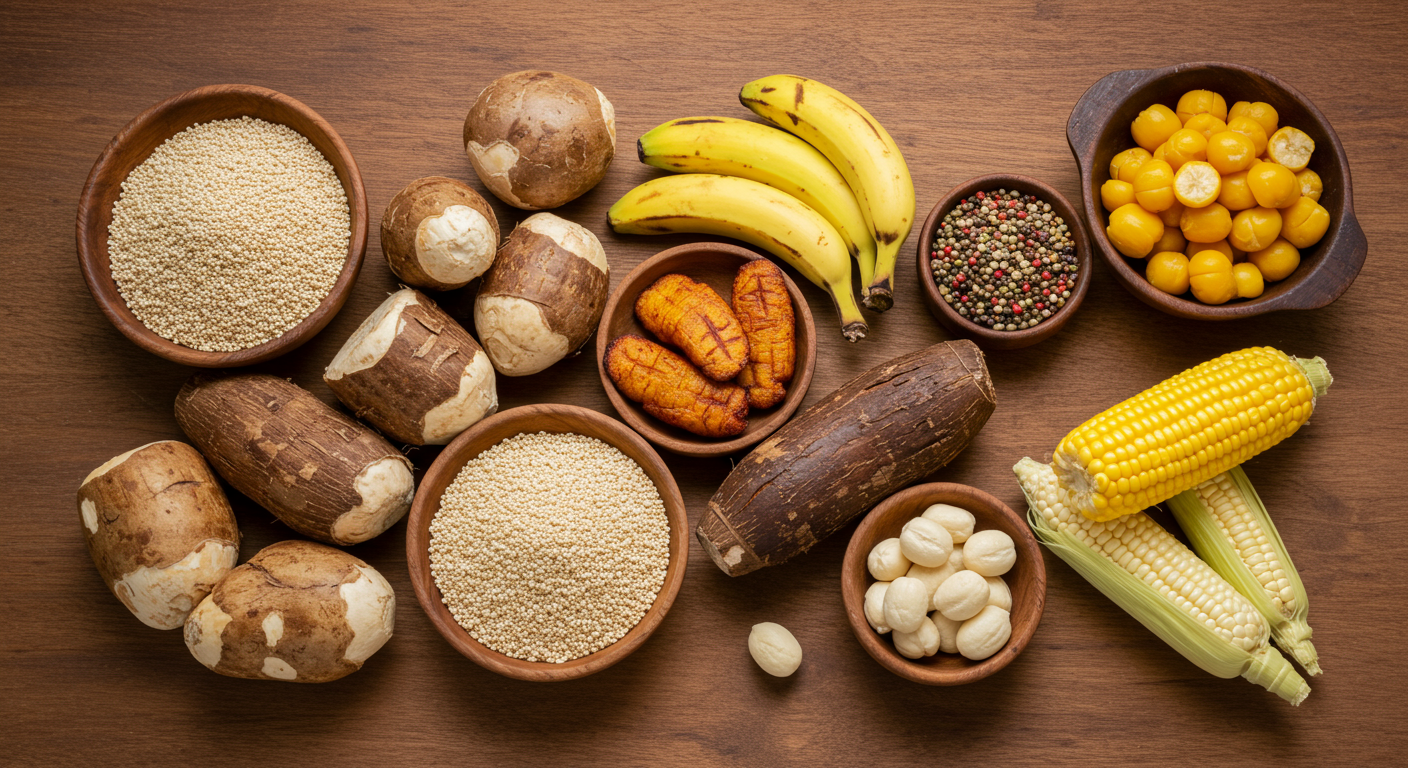
Quinoa, native to the Andean highlands, represents one of nature's most complete foods. This ancient grain provides all essential amino acids while delivering complex carbohydrates that sustain energy throughout the day.
Sweet potatoes and plantains, staples throughout Ecuador's diverse climate zones, offer natural sweetness paired with substantial fiber. These foods show how traditional preparation methods maximize nutritional benefits while creating satisfying, culturally meaningful meals.
The diversity of Ecuador's carbohydrate sources reflects the country's varied geography, from coastal rice cultivation to highland potato farming, creating a rich tapestry of nutritional options.
Nutritional Profile of Ecuadorian Carbohydrate Sources
Examining specific Ecuadorian staples reveals why these carbohydrates support rather than undermine health goals.
Quinoa stands out as a nutritional powerhouse, providing complete protein alongside complex carbohydrates. Its mineral content includes iron, magnesium, and phosphorus, making it far superior to refined grains common in Western diets.
Plantains and sweet potatoes deliver sustained energy through their fiber-rich carbohydrate content. These foods also provide significant amounts of vitamins A and C, potassium, and antioxidants that support immune function and overall wellness.
Even common staples like rice and corn, when consumed in their whole forms, contribute valuable nutrients including B vitamins and trace minerals. Cultural preparation methods often enhance these benefits through fermentation or combination with complementary proteins.
Compared to processed Western carb sources like white bread or sugary snacks, traditional Ecuadorian carbohydrates provide superior nutrition and better blood sugar stability.
Cultural Eating Patterns vs. Modern Diet Trends
Traditional Ecuadorian meals naturally demonstrate balanced carbohydrate consumption without requiring complex dietary rules or restrictions.
Typical meal patterns combine carbohydrate staples with proteins, healthy fats, and abundant vegetables. This natural balance helps regulate blood sugar and provides sustained satisfaction that prevents overeating.
Portion control occurs organically within traditional eating patterns, where carbohydrates complement rather than dominate the plate. The cultural emphasis on fresh, whole foods creates meals that satisfy both nutritional needs and cultural connections.
Populations following traditional Ecuadorian dietary patterns historically showed lower rates of diabetes and obesity, suggesting that carbohydrate consumption within cultural context supports rather than compromises metabolic health.
Making Informed Carbohydrate Choices
Rather than eliminating carbohydrates entirely, focusing on quality and preparation methods offers a more sustainable and culturally respectful approach to healthy eating.
When incorporating Ecuadorian-inspired carbohydrates into modern diets, prioritize whole, minimally processed options. Choose quinoa over refined grains, sweet potatoes over processed snacks, and whole corn over corn-based processed foods.
For dining out experiences, look for menu items featuring these traditional carbohydrate sources. Many Ecuadorian restaurants showcase quinoa salads, roasted sweet potatoes, or plantain preparations that demonstrate healthy carbohydrate integration.
The goal isn't perfection but mindful selection that honors both nutritional needs and cultural food traditions. This approach allows for flexibility while maintaining focus on nutrient-dense carbohydrate sources.
Understanding carbohydrates through Ecuador's dietary lens reveals that the question isn't whether carbs are bad, but rather which carbohydrates best support health and cultural connection. Traditional Ecuadorian foods offer a roadmap for incorporating nutritious carbohydrates that nourish both body and cultural identity.