Are Carbohydrates Really Bad? The Ecuadorian Diet Perspective
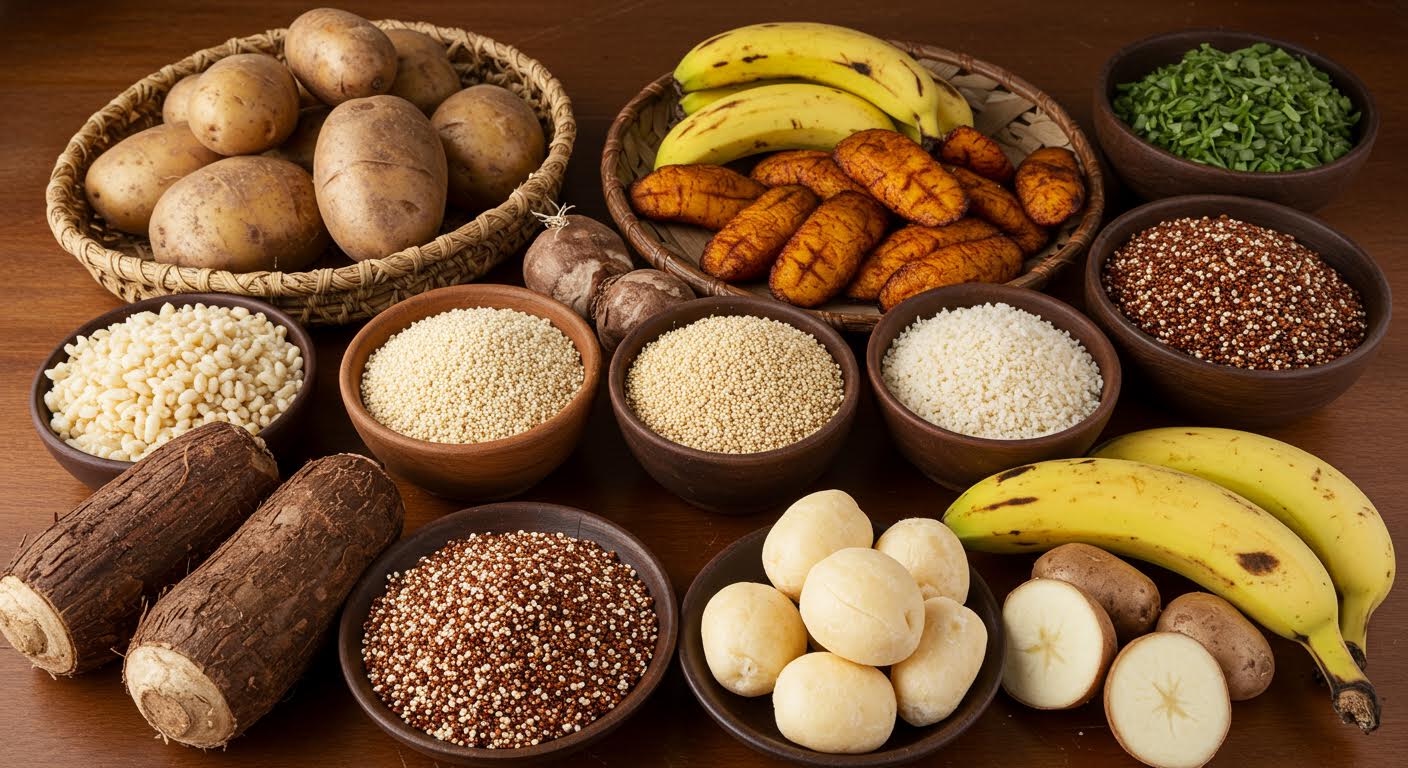
Walk through any Cuenca market and you'll see the truth about carbohydrates: mountains of colorful potatoes, bags of golden quinoa, and vendors selling fresh plantains that have fueled communities for generations. While global diet trends demonize carbs, Ecuador's traditional food culture tells a completely different story.
For centuries, Ecuadorian communities have thrived on diets rich in quinoa, potatoes, plantains, corn, and yuca. This isn't just cultural tradition—it's nutritional wisdom that challenges everything you've heard about avoiding carbohydrates.
What Ecuadorians Have Always Known About Carbs
Ecuador's indigenous communities built their entire culinary foundation around complex carbohydrates, and for good reason. Quinoa has sustained Andean highlanders for over 3,000 years, long before it became trendy in North American health food stores. The dozens of potato varieties native to these mountains aren't just delicious—they're nutritional powerhouses that have supported entire civilizations.
Head to the coast and you'll find families whose energy comes from plantains and yuca. Travel to the Amazon and corn takes center stage in countless traditional preparations. What connects all these regions? Carbohydrate-centered meals built around whole, minimally processed foods that actually nourish the body.
Each region's preferences reflect both geography and wisdom. Highland communities favor quinoa and potatoes—foods that thrive in cooler climates and provide the sustained energy needed at altitude. Coastal families choose plantains and rice that grow in their warm, humid environment. Amazonian communities rely on root vegetables and corn that flourish in rainforest conditions.
Why These Carbs Actually Support Health
The secret lies in understanding what makes a carbohydrate healthy or harmful. The World Health Organization draws a clear line between refined sugars and whole food sources that deliver fiber, vitamins, and minerals alongside energy.
Ecuador's traditional carbs excel on every measure. Quinoa provides complete protein—all nine essential amino acids—plus complex carbohydrates that fuel your body steadily. Potatoes deliver more vitamin C than many fruits, along with potassium and fiber that support heart health and digestion.
Plantains offer vitamin B6 for brain function and potassium for blood pressure regulation. Corn becomes even more nutritionally complete when paired with beans—a combination Ecuadorian cooks have perfected in countless traditional dishes.
The fiber in these whole foods slows digestion, preventing the blood sugar rollercoaster that refined carbohydrates create. Instead of energy crashes and cravings, you get sustained fuel that keeps you satisfied for hours.
How Preparation Makes All the Difference
Visit an Ecuadorian kitchen and you'll learn that how you prepare carbohydrates matters as much as which ones you choose. Traditional cooking methods preserve and often enhance nutritional benefits rather than destroying them.
Quinoa gets carefully washed and gently cooked to maintain its delicate protein structure and mineral content. Potatoes are typically boiled or roasted simply, keeping their fiber and vitamins intact. Many cooks leave the peels on plantains during cooking, maximizing fiber while reducing waste.
Traditional portion sizes make sense too. Ecuadorian meals don't isolate carbohydrates—they're combined with proteins, vegetables, and healthy fats in balanced compositions that support steady energy and genuine satisfaction. This creates meals that nourish rather than just fill you up.
What Happens When Traditional Foods Go Modern
Ecuador's changing food landscape reveals exactly why carbohydrates have gotten such a bad reputation. The problem isn't traditional foods—it's what happens when they're industrially processed.
When quinoa gets turned into refined flour or sugary breakfast cereals, it loses most of its fiber, protein, and micronutrients. Potatoes transformed into chips or instant products bear little nutritional resemblance to the whole vegetables that sustained Andean communities.
This explains why traditional Ecuadorian communities maintained excellent health on carbohydrate-rich diets while modern populations struggle with refined carb consumption. The issue was never carbohydrates themselves—it's the processing that strips away everything beneficial.
Bringing Traditional Wisdom to Your Kitchen
Ecuador's approach to carbohydrates offers practical lessons you can apply immediately. Quality trumps quantity every time. Choosing whole, minimally processed sources provides superior nutrition compared to anything that comes in a box or bag with a long ingredient list.
Traditional cooking methods work beautifully in modern kitchens. Simply preparing quinoa, potatoes, and plantains maximizes their health benefits while connecting you to centuries of culinary wisdom.
The Ecuadorian principle of balanced meals—combining carbohydrates with proteins, vegetables, and healthy fats—creates satisfying dishes that support stable energy and overall health. Think quinoa bowls with black beans and avocado, or roasted potatoes with grilled fish and vegetables.
Most importantly, Ecuador's food culture proves that carbohydrates can be the foundation of healthy eating when you choose quality sources and prepare them thoughtfully. Instead of avoiding an entire macronutrient group, focus on the difference between processed junk and real food.
The question was never whether carbohydrates are bad—it's about which ones you choose and how you prepare them. Ecuador's traditional dietary wisdom provides compelling answers rooted in centuries of success and supported by modern nutritional science. Your body will thank you for listening.