ARCSA Shuts Down Clandestine Sausage Plant in Guayaquil Amid Poisoning Alerts
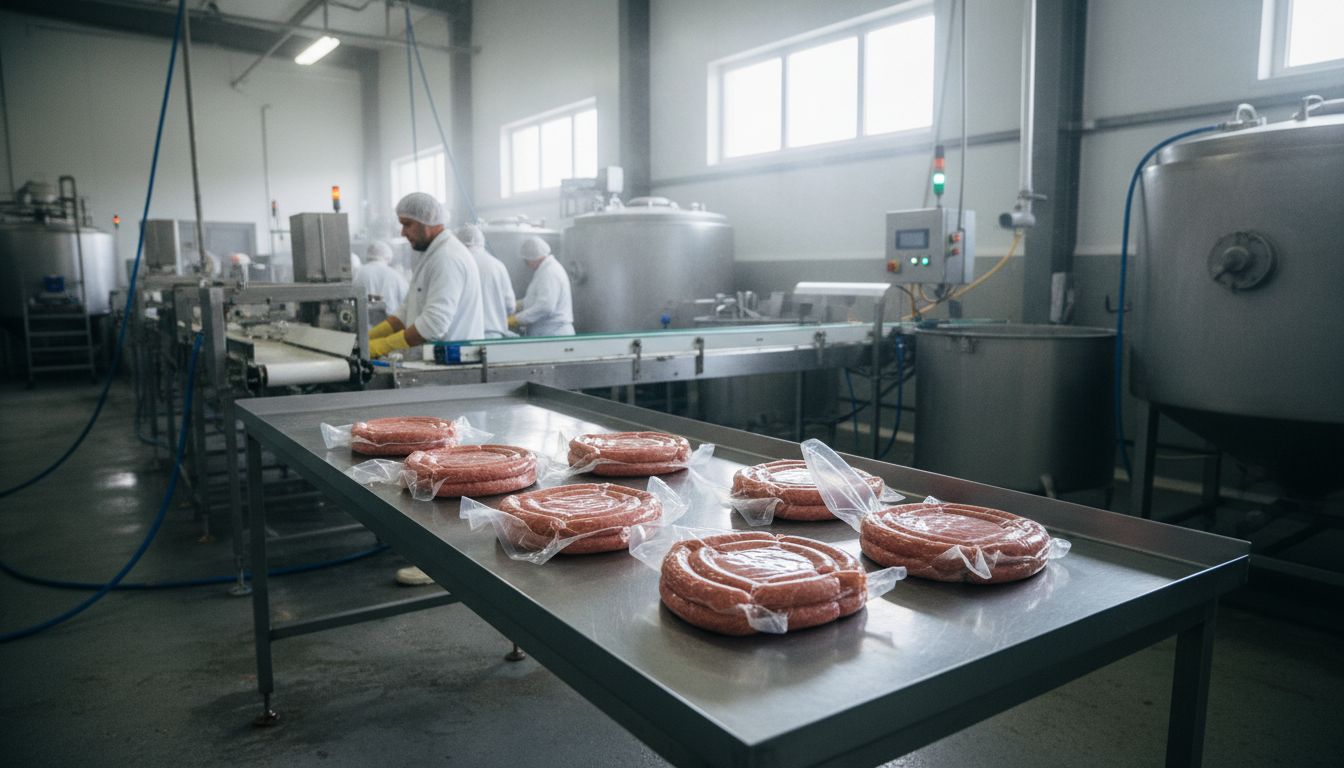
ARCSA Shuts Down Clandestine Sausage Plant in Guayaquil After Poisoning Alerts
Ecuador's health regulatory agency, ARCSA, has closed an unlicensed embutidos (sausage and processed meat) production plant in the Monte Sinaí neighborhood of Guayaquil. The closure, carried out in August 2026, followed alerts connected to six people reportedly intoxicated after eating products purchased from a street cart. The case has drawn attention not only to the specific plant but to broader questions about informal food production in the city.
Officials say the facility had allegedly operated clandestinely for about two years without a permiso de funcionamiento, Ecuador's required operating permit for food producers. The closure was legally grounded in Articles 130 and 146(e) of the country's Ley Orgánica de Salud, provisions that allow regulators to shut down operations posing risks to public health.
Inside the Plant: What Inspectors Found
Inspection reports describe conditions that echo a recurring consumer concern in Ecuador: unregulated, informal food production. Investigators reportedly found blood and organic matter on floors and equipment, along with a cockroach infestation and structural deficiencies including poor ventilation and drainage. Cold-storage units reportedly showed advanced corrosion and water leakage.
Officials also noted the apparent use of non-food-grade tools, including screwdrivers and deteriorated knives, in meat processing. Raw materials and ice were reportedly stored unhygienically, with some ingredients in direct contact with the floor, and staff were said to lack proper sanitary protective equipment. The facility was reportedly disguised behind the exterior of a residential home, which may have helped it avoid earlier detection.
How Far the Products Traveled
Products from the plant were originally sold through an informal street cart. Reports indicate that distribution may have expanded to other informal vendors and municipal markets, raising concern about broader, undetected consumer exposure beyond the initial cases.
The Recall and Pending Lab Confirmation
As part of the response, ARCSA recalled Embutidos Don Ángel products tied to the plant. The agency's director indicated that laboratory analysis of seized products was planned to help confirm the source of the reported intoxications. As of current reporting, the connection between the plant's products and the six illness cases remains an alleged link pending laboratory confirmation, not an established fact.
Coverage of the shutdown and the conditions described has been corroborated across multiple mainstream Ecuadorian news outlets as well as an official ARCSA press release, lending both journalistic and regulatory-source support to the account, even as some specific details await further verification.
What Consumers Should Know
Cases like this one have prompted some food safety advocates to highlight general warning signs of potentially unsafe informal food vendors, including a lack of visible permits, unclear sourcing of ingredients, and sales through informal carts rather than registered establishments. Consumers may want to exercise added caution with embutidos purchased from unregistered or unlabeled sources.
Ecuadorian consumers interested in following official guidance can consult ARCSA advisories directly or use the agency's channels to report suspected clandestine food operations.