ARCSA Closes a Quito Restaurant Over Rodents and Cockroaches: How Ecuador's Sanitary Inspections Actually Work
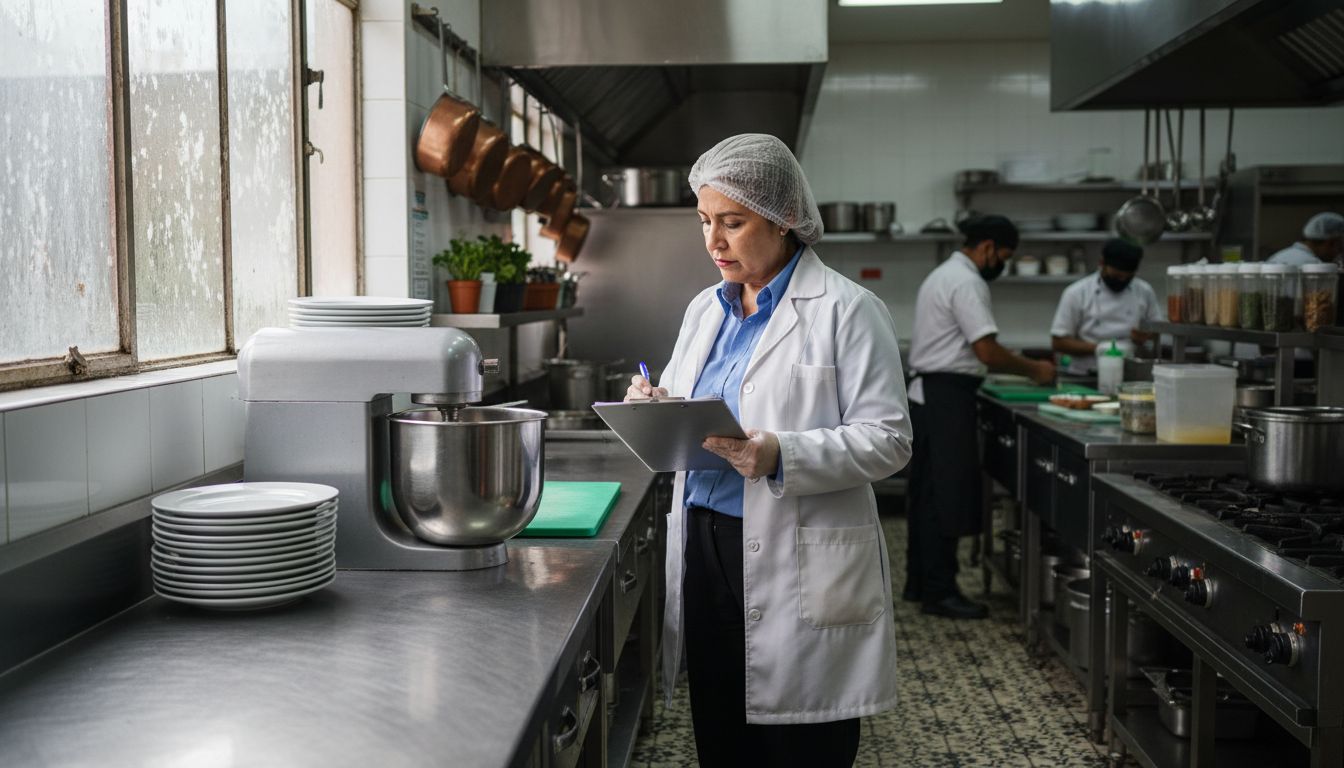
Ecuador's sanitary regulatory agency, ARCSA, reportedly closed a restaurant serving Colombian-style food in Quito's La Prensa sector following a routine inspection. According to ARCSA's own account, inspectors found signs described as rodent droppings, cockroaches, cat feces, and slug trails inside the premises. Unprotected windows exposed to the exterior and trash accumulation in food preparation areas were also cited as contributing risk factors.
The findings and closure were announced through ARCSA's official channels. It's worth noting upfront that current reporting on this specific case relies heavily on the agency's own statements, without independent verification or a response from the restaurant's owners included in available coverage. This kind of single-source, agency-driven reporting is common for enforcement actions of this type, which is part of why understanding how the underlying inspection system works matters as much as the specific incident.
What Is ARCSA and What Authority Does It Have?
ARCSA is Ecuador's National Agency for Health Regulation, Control and Sanitary Surveillance. Its mandate covers sanitary registration, inspection, and enforcement for food establishments across the country, from restaurants and bakeries to food manufacturers and distributors.
Depending on the severity of what inspectors find, ARCSA can apply a range of measures, from corrective orders requiring an establishment to fix specific problems, to temporary or full closure, known in Spanish as "clausura," when violations are considered serious enough to pose a direct risk to public health.
How Sanitary Inspections Actually Work in Ecuador
Sanitary inspections in Ecuador happen in two main ways: as part of routine, scheduled oversight of registered establishments, or in response to complaints from the public. In either case, inspectors are expected to document specific violations they observe, such as evidence of pests, structural deficiencies, or hygiene lapses, as part of a formal inspection record.
Closure is generally treated as a more serious enforcement tool, applied when documented findings suggest an immediate risk to consumers rather than a minor procedural issue. A recurring consumer concern is understanding what happens after a closure: in principle, establishments typically have some path to remediate the problems identified and request reinspection before reopening, though the specific process for the case described here is not detailed in available reporting.
This Closure Fits a Broader Enforcement Pattern
This is not an isolated case. Around the same period, other Quito establishments, including bakeries and additional restaurants, reportedly faced similar closures over comparable pest and hygiene findings. Taken together, this suggests a period of intensified or ongoing ARCSA enforcement activity in Quito, rather than a single unusual incident.
For diners, this pattern raises a practical question: short of relying on news coverage of closures after the fact, is there a way to check a restaurant's sanitary standing in advance?
How Diners Can Check a Restaurant's Sanitary Registration
ARCSA maintains public-facing online systems intended to let people verify a business's sanitary registration status and related regulatory documentation. For diners who want to do some due diligence before eating out, checking whether an establishment holds a valid, current sanitary registration through these official channels is a reasonable first step.
That said, these self-service tools have real limitations for everyday diners. They can confirm whether a registration exists, but they don't necessarily reflect real-time hygiene conditions inside a kitchen on any given day, and interpreting the results may require some familiarity with regulatory terminology. In practice, a valid registration is a baseline indicator, not a guarantee of current conditions.
What This Case Does — and Doesn't — Tell Us
It's important to be clear about the limits of what's currently known about this particular closure. Reporting relies primarily on ARCSA's official statements, and the specific establishment has not been named beyond its general location in the La Prensa sector. No independent verification of the described conditions, and no response from the restaurant's owners, appears in available coverage.
Given that, the specific violations described, rodent droppings, cockroaches, cat feces, slug trails, unprotected windows, and trash accumulation, should be understood as claims reported by ARCSA rather than facts independently confirmed by outside reporting. A recurring theme across similar closures suggests these enforcement actions are a real and ongoing feature of Quito's food safety landscape, even as the details of any single case warrant some caution until more information becomes available.