Antarctic Krill Oil: Benefits, Risks, and How to Use It Safely
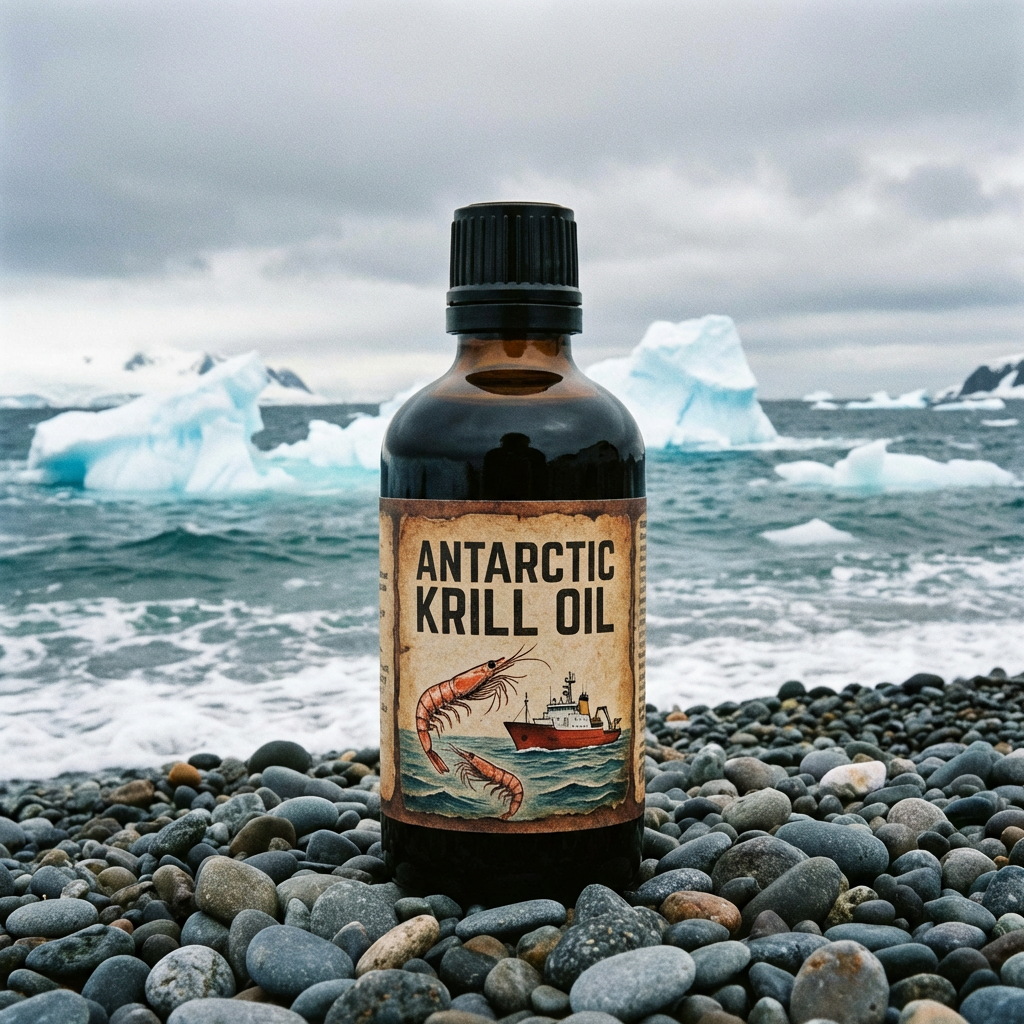
Antarctic krill oil has emerged as a popular alternative to traditional fish oil supplements, offering a unique form of omega-3 fatty acids with potentially superior bioavailability. This marine-derived supplement comes from tiny crustaceans in pristine Antarctic waters and provides EPA and DHA in a phospholipid structure that may be more readily absorbed by the body.
What Is Antarctic Krill Oil?
Antarctic krill oil is extracted from small, shrimp-like crustaceans called Euphausia superba that inhabit the cold, clean waters surrounding Antarctica. These tiny marine creatures are rich in omega-3 fatty acids, specifically eicosapentaenoic acid (EPA) and docosahexaenoic acid (DHA).
What sets krill oil apart from traditional fish oil is its unique molecular structure. The omega-3s in krill oil are bound to phospholipids rather than triglycerides, which may enhance absorption and utilization by the body. Additionally, krill oil naturally contains astaxanthin, a powerful antioxidant that gives the oil its distinctive red color and helps protect the omega-3s from oxidation.
The extraction process typically involves harvesting krill using specialized nets designed to minimize environmental impact, followed by processing methods that preserve the oil's beneficial compounds while removing impurities.
Proven Health Benefits
Research has identified several evidence-based benefits of krill oil supplementation, particularly in areas of cardiovascular and inflammatory health.
Heart Health Support
Studies suggest that krill oil may help support heart health by improving cholesterol profiles and reducing cardiovascular risk factors. According to the Mayo Clinic, the omega-3 fatty acids in krill oil can help lower triglyceride levels and may contribute to modest improvements in HDL (good) cholesterol levels.
Anti-Inflammatory Effects
Krill oil demonstrates anti-inflammatory properties that may benefit joint health and overall inflammatory response. Research indicates that regular supplementation may help reduce markers of inflammation and support joint comfort, particularly in individuals with mild joint discomfort.
Brain Health Benefits
The DHA content in krill oil supports brain health and cognitive function. While research is ongoing, preliminary studies suggest potential benefits for memory and mental clarity, particularly as part of a comprehensive approach to brain health.
Enhanced Absorption
One of krill oil's key advantages is its superior bioavailability compared to traditional fish oil. The phospholipid structure allows for better absorption and may require lower doses to achieve similar omega-3 blood levels.
Safety Considerations and Risks
While generally well-tolerated, krill oil supplementation does carry some important safety considerations that users should understand before beginning use.
Blood Thinning Effects
Krill oil has natural blood-thinning properties that can increase bleeding risk, particularly when combined with anticoagulant medications like warfarin or antiplatelet drugs such as aspirin. The National Institutes of Health notes that individuals taking these medications should consult their healthcare provider before using krill oil.
Allergic Reactions
People with shellfish allergies may experience allergic reactions to krill oil, as krill are crustaceans. Symptoms can range from mild digestive upset to more severe allergic responses. Those with known shellfish sensitivities should avoid krill oil or use it only under medical supervision.
Digestive Side Effects
Some users may experience digestive side effects including nausea, stomach upset, or fishy aftertaste. These effects are typically mild and can often be minimized by taking the supplement with meals or choosing enteric-coated formulations.
Special Populations
Pregnant and breastfeeding women should consult their healthcare providers before using krill oil supplements. While omega-3s are important during pregnancy, appropriate dosing and safety considerations need professional guidance.
How to Use Krill Oil Safely
Proper usage is essential for maximizing benefits while minimizing risks when supplementing with krill oil.
Dosage Guidelines
Typical recommended doses range from 500mg to 2,000mg daily, depending on individual needs and health goals. Most studies showing benefits have used doses in the 1,000-2,000mg range, but lower doses may be effective due to krill oil's enhanced bioavailability.
Best Practices for Taking Krill Oil
Taking krill oil with meals can help improve absorption and reduce the likelihood of gastrointestinal side effects. The supplement can be taken at any time of day, though consistency in timing may help maintain steady omega-3 levels.
Starting Your Supplement Routine
Begin with a lower dose (500mg daily) and gradually increase as tolerated. This approach helps identify the optimal dose while minimizing potential side effects. Monitor for any adverse reactions during the initial weeks of use.
When to Consult a Doctor
Consult a healthcare provider before starting krill oil if you take medications (particularly blood thinners), have chronic health conditions, are pregnant or breastfeeding, or have a history of seafood allergies. Regular monitoring may be necessary for those on anticoagulant therapy.
Choosing Quality Krill Oil Supplements
Not all krill oil supplements are created equal, making quality selection crucial for safety and effectiveness.
What to Look For
Look for products that undergo third-party testing for purity, potency, and contaminants. Certificates of analysis should verify omega-3 content and confirm absence of heavy metals, PCBs, and other pollutants. Products certified by organizations like USP, NSF, or IFOS provide additional quality assurance.
Sustainable Sourcing
Choose krill oil from companies that follow sustainable harvesting practices and are certified by organizations like the Marine Stewardship Council (MSC). Sustainable sourcing helps protect the Antarctic ecosystem and ensures long-term availability.
Reading Labels
Quality products should clearly list EPA and DHA content, provide clear dosing instructions, and include expiration dates. Avoid products with vague labeling or unrealistic health claims.
Storage and Freshness
Proper storage in cool, dark conditions helps maintain potency. Look for products in dark bottles or opaque packaging, and check expiration dates to ensure freshness. Some products may benefit from refrigeration after opening.
Making the Right Choice for You
Antarctic krill oil offers a unique form of omega-3 supplementation with potential advantages over traditional fish oil, including enhanced bioavailability and natural antioxidant content. The evidence supports its use for cardiovascular health, inflammatory response, and general wellness, though individual results may vary.
Krill oil may be particularly beneficial for individuals seeking a more bioavailable omega-3 source, those who experience digestive issues with fish oil, or people looking for a sustainable marine omega-3 option. However, it's not necessarily superior to fish oil for everyone, and the choice often comes down to individual tolerance, preferences, and budget considerations.
Alternatives worth considering include high-quality fish oil supplements, which have more extensive research backing, and algae-based omega-3s for those following vegetarian or vegan diets.
Before starting any omega-3 supplement regimen, especially if you have health conditions or take medications, consult with a healthcare provider to determine the most appropriate option for your individual needs and circumstances.