Will AI Replace My Job, or Change It? What Workers Really Need to Know
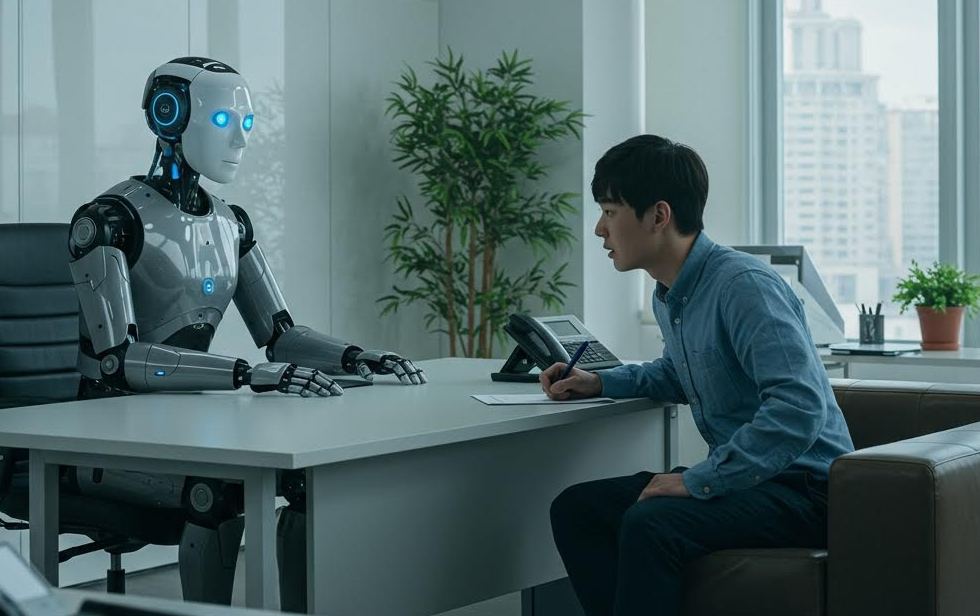
The specter of AI taking over human jobs dominates headlines and workplace conversations. But beneath the sensational predictions lies a more nuanced reality: AI isn't simply going to eliminate work—it's fundamentally changing how work gets done. Understanding this distinction could be the difference between thriving in tomorrow's workplace and being left behind.
The Reality Check: AI's True Impact on Jobs
Despite apocalyptic predictions, mass unemployment isn't on the horizon. Current data reveals that AI's impact follows patterns we've seen with previous technological revolutions—from the printing press to personal computers. Rather than wholesale job elimination, we're witnessing selective task automation.
The crucial difference lies between automating specific tasks within a job versus eliminating entire positions. A financial analyst might use AI to process data faster, but still needs human judgment to interpret results and make recommendations. A teacher might leverage AI for lesson planning, but classroom management and student mentorship remain distinctly human domains.
Historical perspective offers reassurance. The industrial revolution, despite initial fears, ultimately created more jobs than it destroyed. Similarly, the computer age spawned entire industries we couldn't have imagined decades earlier. AI appears to be following this pattern of creative destruction—eliminating some roles while generating new opportunities.
Which Jobs Are Actually at Risk?
Not all positions face equal automation pressure. Understanding your role's risk profile helps inform career decisions.
High-risk categories include positions with routine, predictable tasks requiring minimal human judgment. Data entry clerks, basic bookkeepers, and simple manufacturing roles face significant automation pressure. These jobs typically involve following established procedures with little variation.
Medium-risk positions blend routine elements with creative or interpersonal components. Paralegals might see document review automated while client interaction remains human-centered. Marketing coordinators could automate social media scheduling while strategy development stays in human hands.
Low-risk roles center on human judgment, creativity, and complex interpersonal skills. Therapists, creative directors, senior managers, and skilled tradespeople working in unpredictable environments face minimal immediate automation threats.
Industry timelines vary significantly. Financial services and manufacturing lead adoption curves, while healthcare and education show more gradual integration patterns.
The Job Transformation Factor
Most workers won't lose their jobs to AI—they'll gain an AI assistant. This transformation model is already visible across industries.
Customer service representatives now use AI to quickly access information and suggest responses, enabling them to handle complex issues more effectively. Radiologists employ AI to flag potential abnormalities, allowing them to focus on nuanced diagnosis and patient consultation. Content creators use AI for research and initial drafts, freeing time for strategy and creative refinement.
These changes bring new responsibilities. Workers must learn to collaborate with AI tools, verify AI-generated outputs, and focus on uniquely human contributions like relationship building and strategic thinking.
New Opportunities: Jobs AI Is Creating
AI generates employment opportunities in three key areas. Direct AI roles include machine learning engineers, AI trainers, and algorithm auditors—positions that didn't exist a decade ago.
As AI handles routine tasks, demand grows for human-centered services. Personal fitness trainers, mental health counselors, and artisanal craft workers benefit as people seek authentic human experiences.
Hybrid positions combining AI proficiency with domain expertise are multiplying. AI-assisted designers, data-driven marketers, and technology-enhanced educators represent this new category of enhanced human roles.
Essential Skills for an AI-Integrated Workplace
Success in an AI-enhanced workplace requires both technical and uniquely human capabilities.
AI literacy doesn't mean becoming a programmer, but understanding how AI tools work, their limitations, and how to use them effectively. This includes prompt engineering for AI assistants and knowing when to trust versus verify AI outputs.
Human skills become more valuable as AI handles routine work. Emotional intelligence, creative problem-solving, and critical thinking can't be easily replicated. The ability to communicate complex ideas, build relationships, and navigate ambiguous situations remains distinctly human.
Adaptability might be the most crucial skill. The pace of AI development means continuous learning becomes essential. Workers who embrace change and view challenges as growth opportunities will navigate transitions most successfully.
AI collaboration involves treating AI as a powerful tool rather than a threat. Learning to delegate appropriate tasks to AI while maintaining human oversight creates powerful productivity combinations.
Your Action Plan: Preparing for Change
Start by honestly assessing your current role's automation risk. List your daily tasks and evaluate which could be automated versus which require human judgment. This audit reveals both vulnerabilities and strengths.
Identify reskilling opportunities aligned with your interests and industry trends. Many universities and online platforms offer AI literacy courses designed for non-technical professionals. Professional associations increasingly provide AI-related training for their industries.
Build AI familiarity through experimentation with consumer AI tools. Understanding ChatGPT, image generators, or industry-specific AI applications provides practical experience and reduces technology anxiety.
Create a personal adaptation timeline. Rather than waiting for change to arrive, proactively develop skills over 6-18 month periods. This approach reduces stress and positions you ahead of workplace transitions.
The question isn't whether AI will change work—it's already happening. The question is whether you'll actively shape that change or passively experience it. By understanding AI's real impact, developing relevant skills, and maintaining adaptability, workers can thrive alongside artificial intelligence rather than compete against it.