When AI Makes the Wrong Decision, Who Is Legally Responsible?
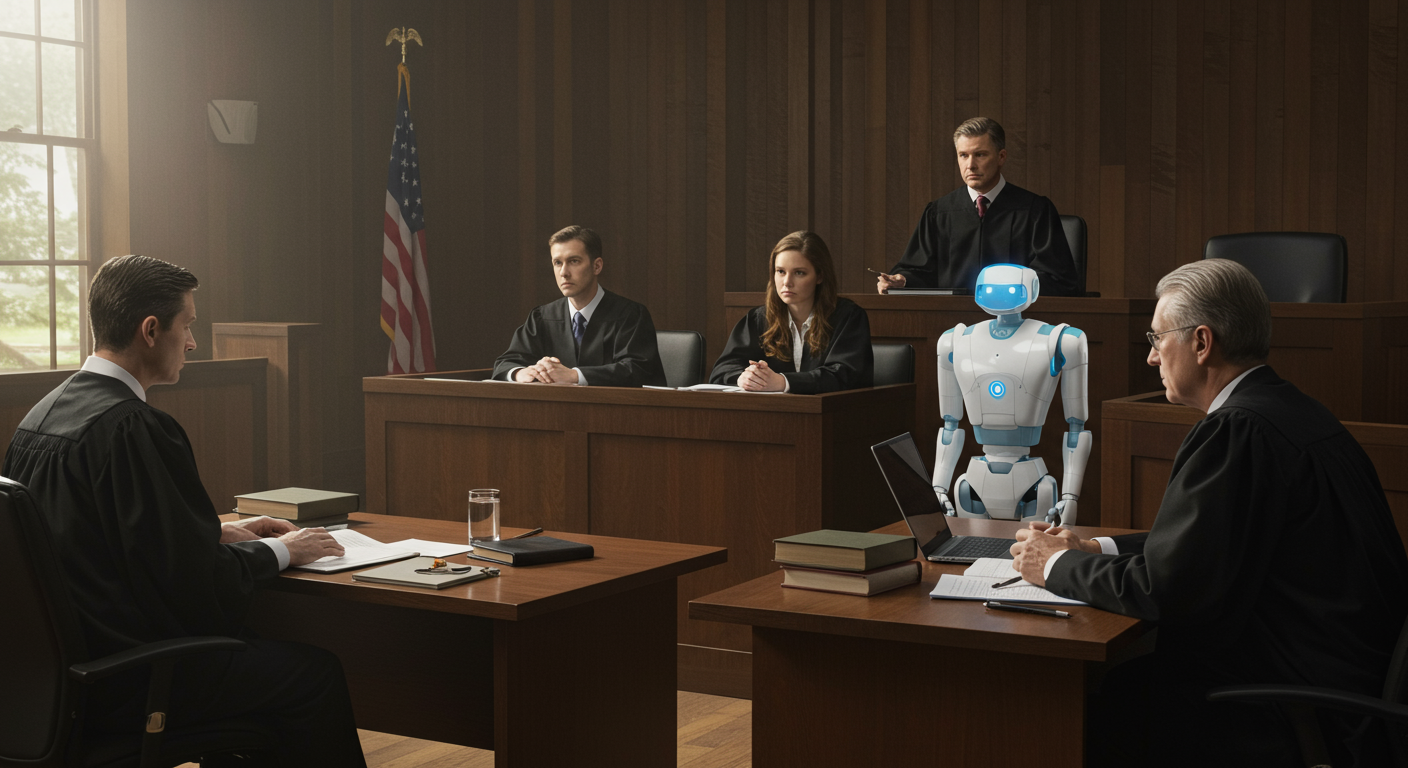
When an autonomous vehicle crashes, an AI-powered medical diagnosis proves incorrect, or an algorithmic hiring system discriminates against qualified candidates, a critical question emerges: who bears legal responsibility? As artificial intelligence systems become more sophisticated and autonomous, traditional legal frameworks struggle to address the complexities of AI-related harm.
The Legal Gray Zone of AI Decision-Making
Traditional liability frameworks were designed for human actors and conventional products, creating significant challenges when applied to AI systems. The autonomous nature of modern AI—where systems can make decisions without direct human intervention—doesn't fit neatly into existing legal categories.
Real-world cases highlight this complexity. When Tesla's Autopilot system has been involved in accidents, determining responsibility requires examining the interplay between the AI system, the human driver, road conditions, and system limitations. Similarly, when AI-powered diagnostic tools provide incorrect medical recommendations, establishing liability involves analyzing the algorithm's training data, the healthcare provider's reliance on the system, and the patient's informed consent.
The "black box" nature of many AI algorithms compounds these challenges. When machine learning models make decisions through complex neural networks, tracing exactly why a particular decision was made becomes nearly impossible, making it difficult to establish causation—a fundamental requirement in most legal liability cases.
Current Legal Frameworks Being Applied to AI
Courts and legal practitioners are adapting existing frameworks to address AI-related harms, with varying degrees of success.
Product liability represents one promising approach, treating AI algorithms as potentially defective products. Under this framework, if an AI system contains a "defect" that causes harm, the manufacturer could be held strictly liable regardless of negligence. However, determining what constitutes a "defect" in an AI system remains challenging, particularly when the system performs as designed but produces unexpected results.
Negligence standards focus on establishing a duty of care in AI development and deployment. This approach examines whether developers and users followed reasonable practices in creating, testing, and implementing AI systems. The challenge lies in defining what constitutes reasonable care in a rapidly evolving technological landscape.
Contractual liability through terms of service and service level agreements provides another avenue for addressing AI errors. Many AI providers explicitly limit their liability through contractual terms, though such limitations may not protect against all forms of legal exposure, particularly in cases involving personal injury or discrimination.
Regulatory compliance creates sector-specific liability frameworks. In healthcare, AI systems must comply with FDA regulations; in finance, they're subject to fair lending laws; in transportation, they must meet safety standards. Compliance with these regulations can provide some legal protection, while violations may establish liability.
Emerging Legislative and Regulatory Approaches
Recognizing the limitations of existing frameworks, lawmakers and regulators are developing AI-specific approaches to liability and accountability.
The Algorithmic Accountability Act, introduced in Congress, would require companies to conduct impact assessments for automated decision systems, particularly those affecting critical decisions about employment, housing, credit, or healthcare. While not establishing direct liability, these assessments could create evidence that courts might use in liability determinations.
The Federal Trade Commission has issued guidance emphasizing that existing consumer protection laws apply to AI systems, particularly regarding fair and non-discriminatory practices. The FTC has indicated it will pursue enforcement actions against companies whose AI systems engage in unfair or deceptive practices.
State-level initiatives are also emerging. Several states are considering legislation that would establish specific liability frameworks for AI systems, while others are launching pilot programs to test different approaches to AI governance and accountability.
Internationally, the EU AI Act creates a comprehensive liability framework based on risk categorization, with stricter requirements and potential liability for high-risk AI applications. This approach may influence U.S. policy development as companies seek consistent global standards.
Different Models of Responsibility Distribution
Legal scholars and policymakers are exploring various models for distributing AI-related liability among different stakeholders.
Strict liability for AI developers would make companies that create AI systems responsible for any harm those systems cause, regardless of negligence. Proponents argue this would incentivize safer AI development, while critics worry it could stifle innovation and make AI development prohibitively expensive.
Shared responsibility models distribute liability among developers, organizations that deploy AI systems, and end users based on their respective roles and control over the system. This approach recognizes that AI harm often results from multiple factors across the AI lifecycle.
Insurance-based models would require AI developers or users to maintain insurance coverage for AI-related risks, similar to how automobile insurance distributes the costs of vehicle accidents. This approach could provide compensation for victims while spreading costs across the industry.
Sector-specific liability regimes would create different rules for different applications based on risk assessment. High-risk applications like autonomous vehicles or medical AI might face strict liability, while lower-risk applications might operate under more flexible frameworks.
Practical Implications for Businesses and Consumers
The evolving liability landscape has immediate implications for organizations deploying AI and the consumers affected by these systems.
Businesses implementing AI systems increasingly face due diligence requirements, including thorough testing, bias auditing, and ongoing monitoring of AI system performance. Organizations must also maintain detailed documentation and audit trails that could be crucial in establishing or defending against liability claims.
Insurance considerations are becoming critical as traditional liability policies may not cover AI-related risks. Specialized AI liability insurance products are emerging, though coverage remains limited and expensive.
For consumers, understanding rights and remedies when AI systems cause harm remains challenging. Traditional consumer protection laws apply, but proving harm from AI decisions can be complex, and remedies may be limited by contractual terms or jurisdictional issues.
The Path Forward: Balancing Innovation and Accountability
Clear liability frameworks are essential for continued AI adoption. Without predictable legal standards, both developers and users face uncertainty that can hinder beneficial AI applications. However, overly broad liability could discourage innovation in technologies that offer significant social benefits.
Proposed solutions from legal scholars include creating specialized AI courts with technical expertise, establishing safe harbors for AI systems that meet certain standards, and developing technical standards that can support legal frameworks by providing objective measures of AI system quality and safety.
The timeline for comprehensive AI liability legislation remains uncertain, but regulatory developments are accelerating. The Federal Trade Commission continues to refine its enforcement approach, state legislatures are actively considering AI bills, and federal legislation appears likely within the next few years.
As AI systems become more prevalent and sophisticated, the question of legal responsibility will only become more pressing. The solutions that emerge will need to balance competing interests: providing recourse for those harmed by AI systems while preserving incentives for beneficial AI innovation. The legal framework that ultimately develops will play a crucial role in shaping how AI technology evolves and how society adapts to an increasingly automated world.