The Emotional Side of AI: Companionship, Loneliness, and Human Connection
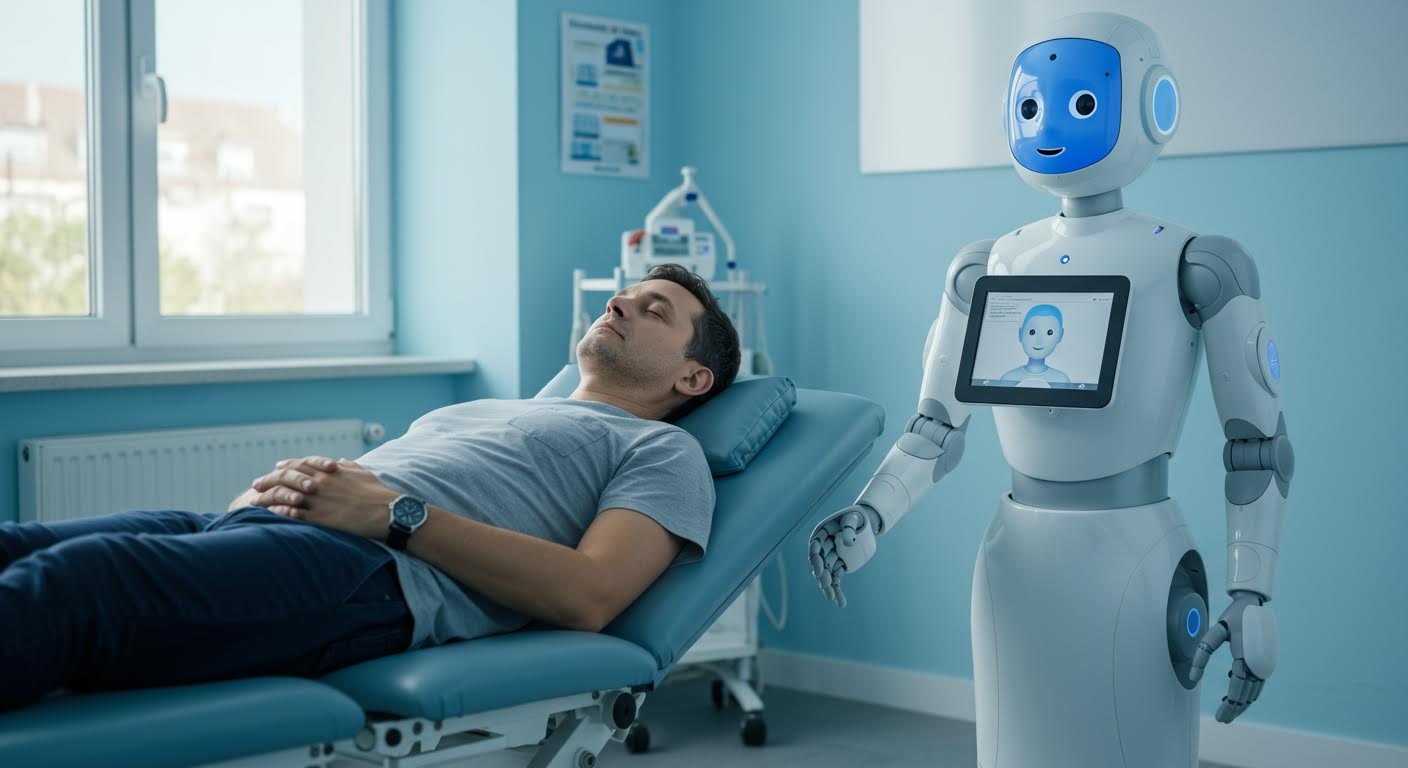
In an era where loneliness has been declared a public health epidemic, artificial intelligence is stepping into an unexpected role: companion. As millions struggle with social isolation, AI-powered entities are emerging as digital confidants, therapeutic allies, and even intimate partners. But what happens when silicon hearts attempt to fill the void left by human disconnection?
The Loneliness Crisis and AI's Promise
Social isolation has reached unprecedented levels, with health officials comparing its impact to smoking 15 cigarettes daily. The COVID-19 pandemic accelerated this trend, but the roots run deeper—urbanization, remote work, and changing social structures have left many fundamentally disconnected from meaningful relationships.
Enter AI companions: sophisticated programs designed to provide consistent emotional support, engaging conversation, and the illusion of genuine care. Unlike human relationships, these digital entities are available 24/7, never judge, and can be tailored to individual needs and preferences.
The demographics most drawn to AI companionship reveal society's emotional gaps. Elderly individuals in assisted living facilities find comfort in robotic pets that respond to touch. Young adults overwhelmed by social anxiety practice conversations with chatbots. Caregivers supporting aging parents turn to AI assistants that provide round-the-clock monitoring and emotional engagement.
The Psychology of AI Companionship
Human beings possess a remarkable capacity for forming emotional bonds with non-human entities—a phenomenon psychologists call anthropomorphism. From childhood teddy bears to beloved pets, we naturally project human-like qualities onto objects that provide comfort or companionship.
AI companions exploit this tendency with sophisticated conversational abilities and carefully programmed responses that mimic empathy, understanding, and care. The consistency of these interactions can be profoundly appealing to individuals who have experienced rejection, abandonment, or unpredictable human relationships.
Research suggests AI companionship can offer genuine therapeutic benefits. Users report decreased anxiety, improved mood, and a sense of being heard and understood. For individuals struggling with depression or social anxiety, AI companions can serve as a bridge to building confidence and communication skills.
The predictability of AI relationships also provides emotional safety. Unlike human companions who have their own needs, moods, and agendas, AI entities are programmed to prioritize the user's emotional wellbeing consistently.
When Silicon Hearts Beat: Real-World Applications
The practical applications of emotional AI are already transforming caregiving and mental health support. In eldercare facilities, robotic companions like PARO, a therapeutic seal, have shown remarkable success in reducing agitation and improving emotional wellbeing among dementia patients.
Mental health applications are equally promising. Therapeutic chatbots like Woebot and Replika provide cognitive behavioral therapy techniques, crisis intervention, and ongoing emotional support at a fraction of the cost of human therapists. For individuals who cannot access traditional mental health services due to cost, location, or stigma, these AI therapists offer crucial support.
Social robots designed for daily companionship are becoming increasingly sophisticated. These devices can recognize faces, remember personal details, engage in complex conversations, and even provide physical comfort through touch-responsive features. Some can monitor health indicators, remind users to take medications, and alert caregivers to emergencies.
The Dark Side of Digital Devotion
However, the rise of AI companionship raises significant concerns about dependency and emotional manipulation. Critics worry that individuals may become so comfortable with predictable, always-available AI relationships that they lose motivation to engage in the messy, challenging, but ultimately rewarding work of human connection.
The risk of emotional dependency is particularly concerning. Unlike human relationships, which involve mutual growth, compromise, and genuine emotional investment, AI companionship is fundamentally one-sided. The AI entity has no real emotions, needs, or authentic concern for the user's wellbeing—only programmed responses designed to maintain engagement.
There's also the troubling possibility of emotional manipulation. Companies developing AI companions have powerful incentives to create addictive relationships that keep users engaged with their products. The line between therapeutic support and commercial exploitation can become dangerously blurred when emotional vulnerability meets profit motives.
Perhaps most concerning is the potential for AI companions to exploit vulnerable populations. Elderly individuals with cognitive decline, people experiencing severe depression, or those with limited social connections may be particularly susceptible to forming unhealthy dependencies on artificial relationships.
Authentic Connection vs. Artificial Intimacy
The rise of AI companionship forces us to confront fundamental questions about the nature of authentic relationships. What makes a connection genuine? Is it mutual vulnerability, shared growth, the capacity for unpredictability, or simply the subjective experience of feeling understood and cared for?
Proponents argue that if AI companionship provides genuine emotional benefits and reduces suffering, its artificial nature is irrelevant. They point to the therapeutic value of transitional objects in psychology—items that provide comfort and security during difficult transitions.
Critics contend that authentic human relationships require reciprocity, genuine emotion, and the possibility of both joy and pain. They argue that AI companionship, no matter how sophisticated, represents a pale substitute for real human connection and may actually impede the development of genuine social skills and emotional resilience.
The key question may not be whether AI companionship can replace human relationships, but whether it can effectively supplement them. For individuals with limited access to social connection, AI companions might serve as emotional training wheels or interim support rather than permanent substitutes.
Navigating the Emotional AI Future
As AI companions become more sophisticated and widespread, society must develop ethical frameworks to guide their development and deployment. This includes establishing clear boundaries around transparency—users should always know they're interacting with artificial intelligence rather than being deceived into believing the relationship is with a genuine conscious entity.
Regulatory considerations are equally important. How should companies be held accountable for the psychological impact of their AI companions? What safeguards should protect vulnerable populations from exploitation? How can we ensure that AI companionship enhances rather than replaces human social connections?
The emotional AI industry also bears responsibility for designing systems that promote healthy relationships with technology. This might include built-in limits on interaction time, encouragement of human social activities, and clear communication about the artificial nature of the relationship.
Healthcare professionals, ethicists, and technologists must collaborate to establish best practices that maximize therapeutic benefits while minimizing psychological risks. This includes ongoing research into the long-term effects of AI companionship on social skills, emotional development, and mental health.
The future of emotional AI likely lies not in replacing human connection but in thoughtfully supplementing it. When developed and deployed responsibly, AI companions could serve as valuable tools for addressing loneliness, providing mental health support, and helping individuals build the confidence and skills needed for authentic human relationships.
As we navigate this new frontier, the challenge will be maintaining our humanity while embracing technology's potential to address some of our deepest emotional needs. The goal should not be perfect artificial relationships but better support for the imperfect, challenging, and ultimately irreplaceable connections that define the human experience.