The Day an AI Manager Gave Its First Performance Review
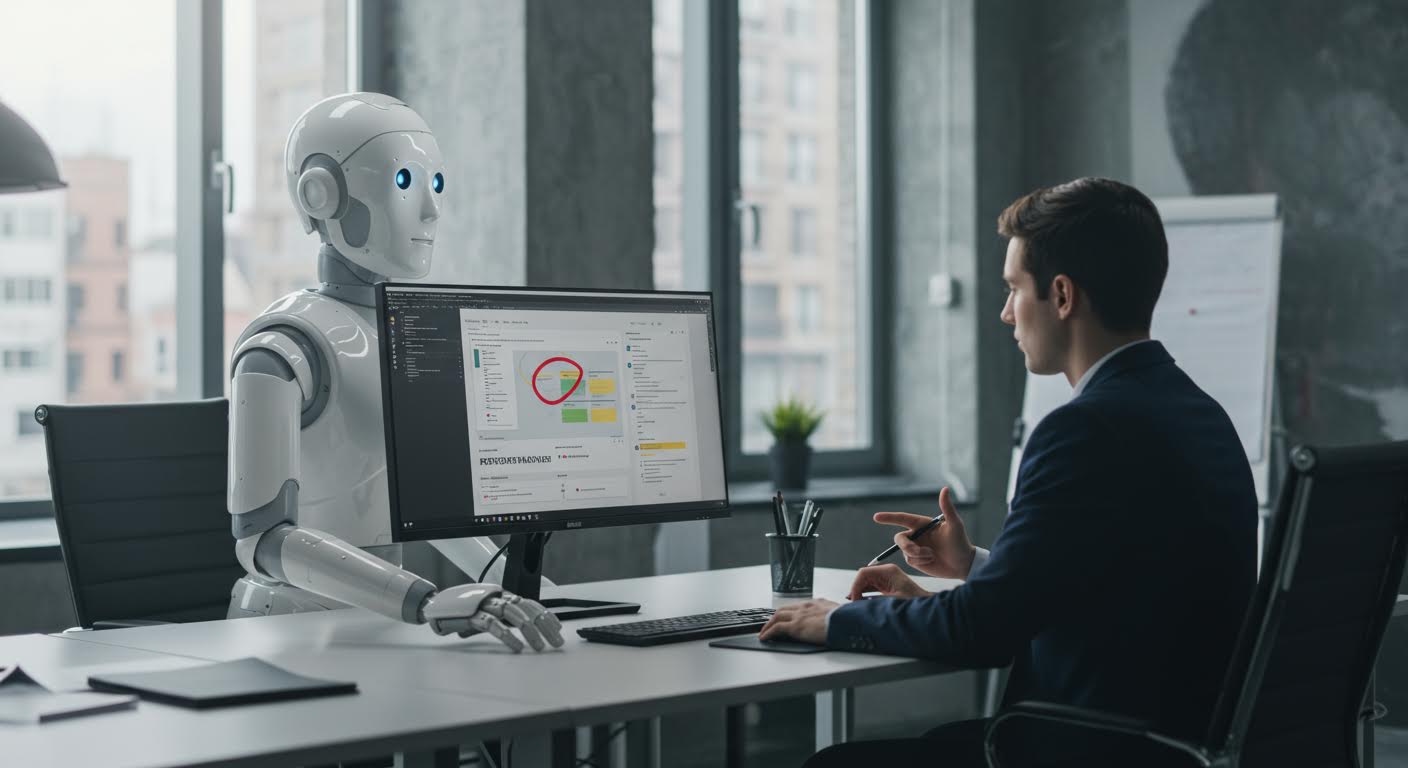
Sarah Martinez stared at her computer screen, reading the subject line twice before opening the email: "Your Q3 Performance Review - ARIA Performance Management System." It was a typical Tuesday morning in October 2024, but what happened next would mark a historic shift in how we think about workplace management and human-AI collaboration.
The Moment Everything Changed
The email was professional, thorough, and surprisingly empathetic. ARIA, the AI-powered performance management system recently implemented at Sarah's tech company, had analyzed her work patterns, project contributions, and collaboration metrics over the past quarter. The feedback was specific: praise for her innovative problem-solving approach, constructive suggestions for improving cross-team communication, and actionable goals for the upcoming quarter.
"At first, I was skeptical," Sarah recalls. "But the review was more detailed and helpful than some I'd received from human managers. It felt like someone had been paying attention to my actual work, not just the highlights." Sarah's experience represents a quiet revolution happening across corporate America as AI systems increasingly take on management responsibilities traditionally reserved for humans.
This wasn't science fiction anymore. Major corporations have been piloting AI management tools with remarkable results, fundamentally changing how performance evaluations are conducted and received.
How We Got Here: The Rise of AI Performance Management
The evolution from traditional annual reviews to continuous AI-powered feedback systems didn't happen overnight. For decades, performance management relied on periodic, often subjective evaluations that employees and managers alike dreaded. These systems were notorious for human bias, inconsistency, and limited actionable insights.
Today's AI performance management systems represent a dramatic departure from this model. Leading corporations are implementing sophisticated algorithms that continuously monitor employee performance through multiple data points: project completion rates, collaboration patterns, skill development trajectories, and even communication effectiveness.
The promise is compelling: AI can provide objective, data-driven feedback free from human prejudices and emotional inconsistencies. According to McKinsey & Company research on organizational performance, early adopters report more frequent, relevant feedback that helps employees course-correct in real-time rather than waiting months for formal reviews.
Inside the AI Manager's Mind
Modern AI performance management systems operate on sophisticated machine learning algorithms that process vast amounts of workplace data. These systems analyze productivity metrics, project contributions, peer collaboration patterns, and skill development progress to build comprehensive performance profiles.
Unlike human managers who might focus on recent events or visible achievements, AI systems maintain consistent attention to long-term patterns and subtle improvements. They can identify when an employee's communication style positively impacts team dynamics or when someone's technical contributions accelerate project timelines in ways that might go unnoticed by human supervisors.
However, these systems also have significant limitations. AI excels at pattern recognition and data analysis but struggles with contextual nuances that human managers intuitively understand. The personal challenges, creative insights, and leadership qualities that define exceptional employees often resist algorithmic quantification.
The Human Response: Fear, Acceptance, and Adaptation
Employee reactions to AI-driven performance reviews vary dramatically. Some workers appreciate the consistency and apparent objectivity of algorithmic feedback. Others express anxiety about being constantly monitored and evaluated by systems they don't fully understand.
Trust remains a crucial challenge. Employees want transparency about how AI systems make decisions and what data influences their evaluations. Companies implementing these tools find that success depends heavily on clear communication about the AI's role, limitations, and integration with human oversight.
Interestingly, knowing they're evaluated by AI systems is changing how employees work. Some report feeling more accountable for consistent performance rather than just periodic excellence. Others worry about gaming the system or losing the human connection that makes workplace relationships meaningful.
The Bias Paradox
One of AI performance management's most compelling promises is eliminating human bias from employee evaluations. In theory, algorithms don't carry prejudices about gender, race, age, or personal preferences that can unconsciously influence human managers.
Reality proves more complex. As research published in Nature demonstrates, AI systems trained on historical data often perpetuate existing biases present in that data. If past promotion patterns favored certain demographics, AI might unknowingly continue those trends. Additionally, the metrics chosen to evaluate performance can inadvertently favor certain working styles or backgrounds.
The challenge isn't simply replacing human bias with algorithmic objectivity, but creating systems that actively counteract historical discrimination while fairly evaluating diverse talents and contributions.
What Human Managers Think
Traditional managers are responding to AI colleagues with a mixture of relief and concern. Many appreciate having data-driven insights to support their evaluations and the reduction in administrative burden that AI systems provide.
However, experienced managers also recognize what AI systems miss. The employee going through a difficult personal situation, the team member whose informal mentoring doesn't show up in metrics, or the innovative thinker whose contributions don't fit standard productivity measures.
According to Harvard Business Review analysis of AI transformation in performance management, the most successful implementations blend AI insights with human judgment, creating collaborative models where algorithms provide comprehensive data analysis while humans add contextual understanding and emotional intelligence to final evaluations.
The Road Ahead: Future of AI-Human Management
Industry experts predict widespread adoption of AI management tools within the next decade, but implementation will likely vary significantly across industries and company cultures. Organizations prioritizing data-driven decision-making and objective performance measurement are leading early adoption.
Regulatory frameworks governing AI in human resources are still developing. Companies must navigate privacy concerns, algorithmic transparency requirements, and equal employment opportunity regulations as they implement these systems.
Research from the Pew Research Center on the future of human agency suggests that the ultimate question isn't whether AI will transform performance management, but how quickly and effectively organizations can integrate these tools while preserving the human elements that make workplaces engaging and supportive.
As Sarah Martinez reflects on her experience receiving that first AI-generated performance review, she notes both the system's insights and its limitations: "ARIA helped me see patterns in my work I hadn't noticed, but my human manager still understands the context and challenges that numbers can't capture. The combination of both perspectives made it the most useful review I've ever received."
The future of work likely lies not in replacing human managers with AI systems, but in creating powerful partnerships between algorithmic insights and human wisdom that elevate both employee development and organizational success.