Should Doctors Rely on AI — or Use It Only as a Second Opinion?
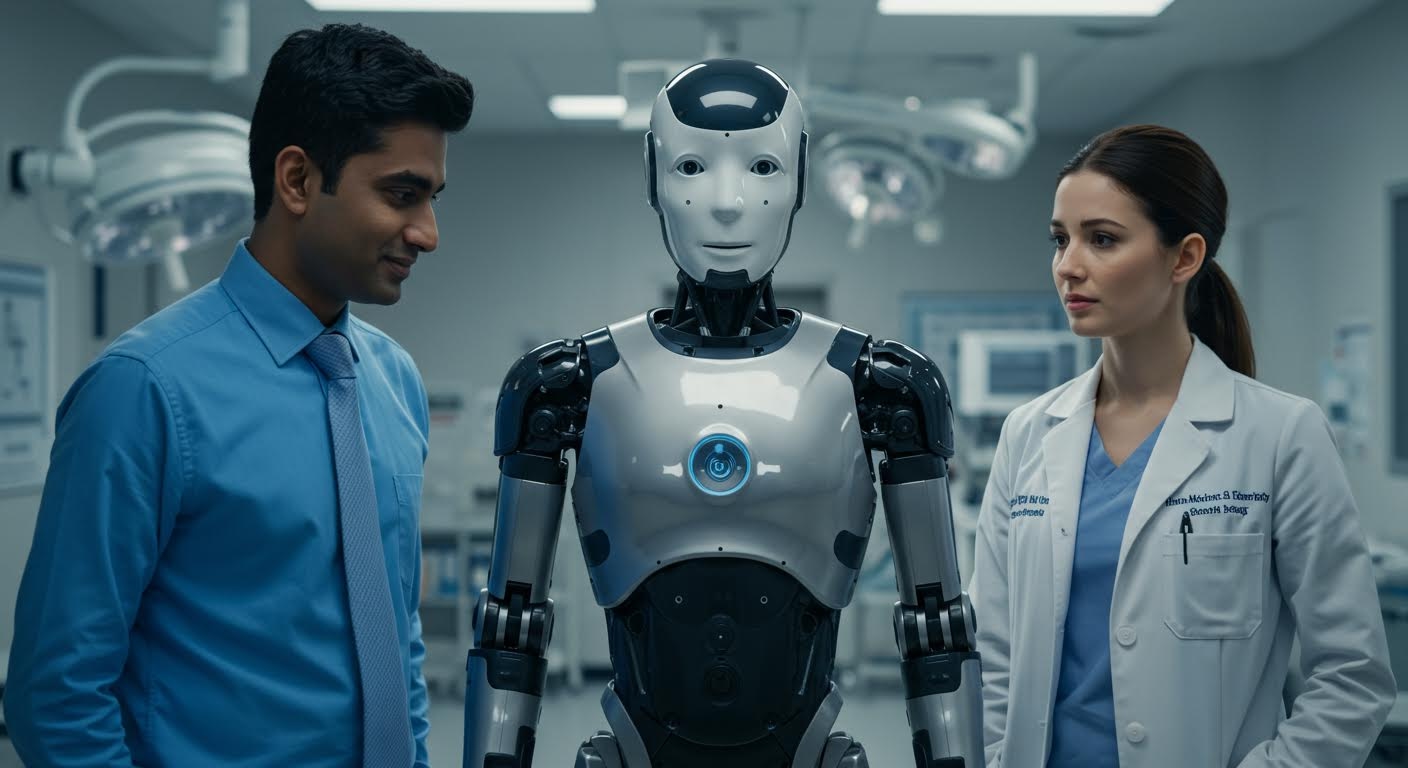
Artificial intelligence is transforming medical practice at breakneck speed, forcing healthcare professionals to wrestle with a crucial question: Should AI serve as a primary diagnostic and treatment tool, or should it stay in a supporting role as a second opinion? The answer will shape patient outcomes, physician training, and the future of healthcare itself.
AI in Medicine Today
AI applications in healthcare have moved well beyond the lab and into real clinical settings. Medical imaging leads the pack — AI systems can now spot diabetic retinopathy, analyze mammograms, and identify lung nodules with impressive accuracy. These tools are increasingly woven into electronic health records, offering real-time recommendations as doctors see patients.
Early results from hospitals using these systems look promising. AI-assisted radiology has sped up diagnoses while keeping accuracy high. Clinical decision support systems powered by AI have made measurable improvements in medication dosing, catching sepsis early, and assessing patient risk across different conditions.
The Case for AI-First Medicine
Advocates for putting AI in the driver's seat point to compelling results in specific medical fields. In radiology and pathology, AI systems have consistently outperformed human doctors in controlled studies, especially when it comes to spotting patterns in large datasets. These systems work with remarkable consistency — they don't get tired, stressed, or influenced by the cognitive biases that can affect human judgment.
The speed advantage is striking. AI can review hundreds of images or patient files in the time it takes a doctor to examine just a few. This could help solve critical shortages of specialists while making diagnostic services more accessible and affordable.
Clinical studies back up these claims. Several AI diagnostic tools have earned FDA approval based on their ability to match or beat specialist-level performance, suggesting that primary reliance on AI isn't just possible — it might actually be better in certain situations.
The Case for Keeping AI in the Back Seat
But there are serious concerns about pushing human expertise aside. Doctors bring irreplaceable skills that go far beyond pattern recognition — they understand context, communicate with patients, and reason through rare or unusual cases. The doctor-patient relationship remains central to good healthcare, with research consistently showing that patients trust and feel more satisfied when they perceive human involvement in their care.
AI systems have built-in limitations that make primary reliance risky in many cases. Biased training data can lead to uneven performance across different patient groups, potentially making healthcare inequities worse. AI struggles with unusual cases that don't fit its training, exactly where human clinical judgment shines.
Legal considerations also favor keeping AI as an assistant. Current malpractice laws hold doctors accountable for clinical decisions, creating murky legal territory when AI systems make primary decisions. Medical accountability is built around human judgment and expertise, making it hard to square wholesale AI reliance with existing professional standards.
What Regulators and Medical Groups Say
The FDA has created detailed frameworks for AI-powered medical devices, stressing the need for human oversight and proven performance across diverse patient populations. These rules generally assume doctors will be involved in AI-assisted decisions rather than letting AI operate alone.
The American Medical Association pushes for "augmented intelligence" rather than artificial intelligence, emphasizing AI's role in boosting rather than replacing physician capabilities. This stance reflects broader worries about maintaining medical expertise and ensuring proper oversight of AI recommendations.
Other countries take similar approaches, with most requiring some level of physician involvement in AI-assisted clinical decisions. Professional liability standards continue to emphasize doctor accountability, creating practical roadblocks to primary AI reliance even where the technology might support it.
Finding the Sweet Spot
The best approach to AI integration seems to depend heavily on the medical context. Specialties with clear pattern recognition tasks, like radiology and pathology, might support greater AI reliance. Complex medical fields requiring nuanced clinical reasoning likely benefit more from AI-as-assistant models.
Patient factors matter too. Routine screening in healthy people might work well with AI-primary approaches, while complex patients with multiple conditions probably need physician-primary care with AI support. Healthcare systems also vary widely in their readiness to implement and oversee AI-first workflows.
Training represents another key piece of the puzzle. Effective AI integration requires doctors to understand both what AI can and can't do, developing new skills in AI oversight while keeping their core clinical abilities sharp.
The Future of Human-AI Teamwork
Emerging models of augmented intelligence suggest that the either-or choice between AI-first versus AI-second might be too simple. Sophisticated collaboration frameworks are being developed that dynamically adjust the balance of AI and human involvement based on how complex the case is, how confident the diagnosis seems, and what the healthcare system can handle.
Future regulations will likely provide more detailed guidance on appropriate AI integration across different clinical situations. Studies of patient acceptance show growing comfort with AI-assisted care, as long as human oversight remains visible and accessible.
The way forward probably involves specialty-specific, context-dependent approaches that use AI's strengths while preserving essential elements of human clinical judgment and doctor-patient relationships. Success will require ongoing investment in teaching doctors about AI, thorough testing across diverse populations, and regulations that encourage innovation while keeping patients safe.
Rather than asking whether doctors should rely on AI or use it as a second opinion, the better question might be: How can we optimize human-AI collaboration to deliver the best possible patient outcomes in each clinical situation?