The Transformative Impact of AI in Healthcare: Enhancing Outcomes and Reducing Costs
Artificial Intelligence (AI) is revolutionizing the healthcare industry by improving patient outcomes, streamlining operations, and significantly reducing costs. From diagnostics to personalized treatment plans, AI's integration into medical practices is reshaping the future of healthcare delivery.
1. Enhancing Diagnostic Accuracy
AI algorithms have demonstrated remarkable proficiency in analyzing complex medical data, leading to more accurate and timely diagnoses. For instance:
Medical Imaging: AI systems can interpret imaging data such as X-rays, MRIs, and CT scans with high precision. At institutions like AIIMS Patna, AI-powered devices assist in detecting conditions like cancer and neurological disorders, improving diagnostic accuracy and enabling early intervention.
The Times of India
Cancer Detection: Northwell Health's AI tool, iNav, analyzes MRI and CT scans to identify early signs of pancreatic cancer, reducing the time from diagnosis to treatment by 50%.
Time
2. Personalized Treatment Plans
AI facilitates the development of tailored treatment strategies by analyzing individual patient data:
Prostate Cancer Therapy: Researchers have developed an AI test that predicts which patients with high-risk, non-metastatic prostate cancer will benefit from the drug abiraterone. This approach ensures that only patients likely to respond positively receive the medication, minimizing unnecessary side effects and costs.
The Guardian
Drug Discovery: DeepMind's AlphaFold has revolutionized protein structure prediction, accelerating drug development processes and contributing to significant advancements in personalized medicine.
Vox+1Docus+1
3. Streamlining Administrative Tasks
AI significantly reduces the administrative burden on healthcare providers:
Clinical Documentation: AI-powered ambient listening tools, such as Microsoft's DAX Copilot, transcribe and process doctor-patient conversations, reducing documentation time from 90 to under 30 minutes daily. This efficiency allows physicians to focus more on patient care.
WSJ
Administrative Automation: According to McKinsey, AI can automate up to 45% of administrative tasks in healthcare, potentially saving the industry $150 billion annually.
Onix+2ITRex+2Glorium Tech+2
4. Remote Patient Monitoring and Preventive Care
AI enables continuous monitoring and proactive healthcare management:
Chronic Disease Management: AI-driven wearable devices and home monitoring systems track patients' vital signs in real-time, allowing for early detection of potential health issues and timely interventions.
LinkedIn
Hospitalization Reduction: AI-enabled predictive analytics can identify high-risk patients, reducing hospital admissions by up to 30% and translating into substantial cost savings.
jorie.ai
5. Cost Savings and Economic Impact
The integration of AI in healthcare leads to significant cost reductions:
Operational Efficiency: AI applications in supply chain management and administrative processes can reduce operational costs by up to 34%, enhancing overall healthcare affordability.
Onix+1arXiv+1
Preventive Care Allocation: A data-driven decision model for allocating preventive treatments to at-risk patients demonstrated potential annual savings of $1.1 billion in the U.S. healthcare system.
arXiv
Conclusion
AI's integration into healthcare is not only enhancing diagnostic accuracy and personalizing treatment but also streamlining operations and reducing costs. As technology continues to evolve, the potential for AI to further transform healthcare delivery and accessibility is immense, promising a future of improved patient outcomes and more efficient healthcare systems.
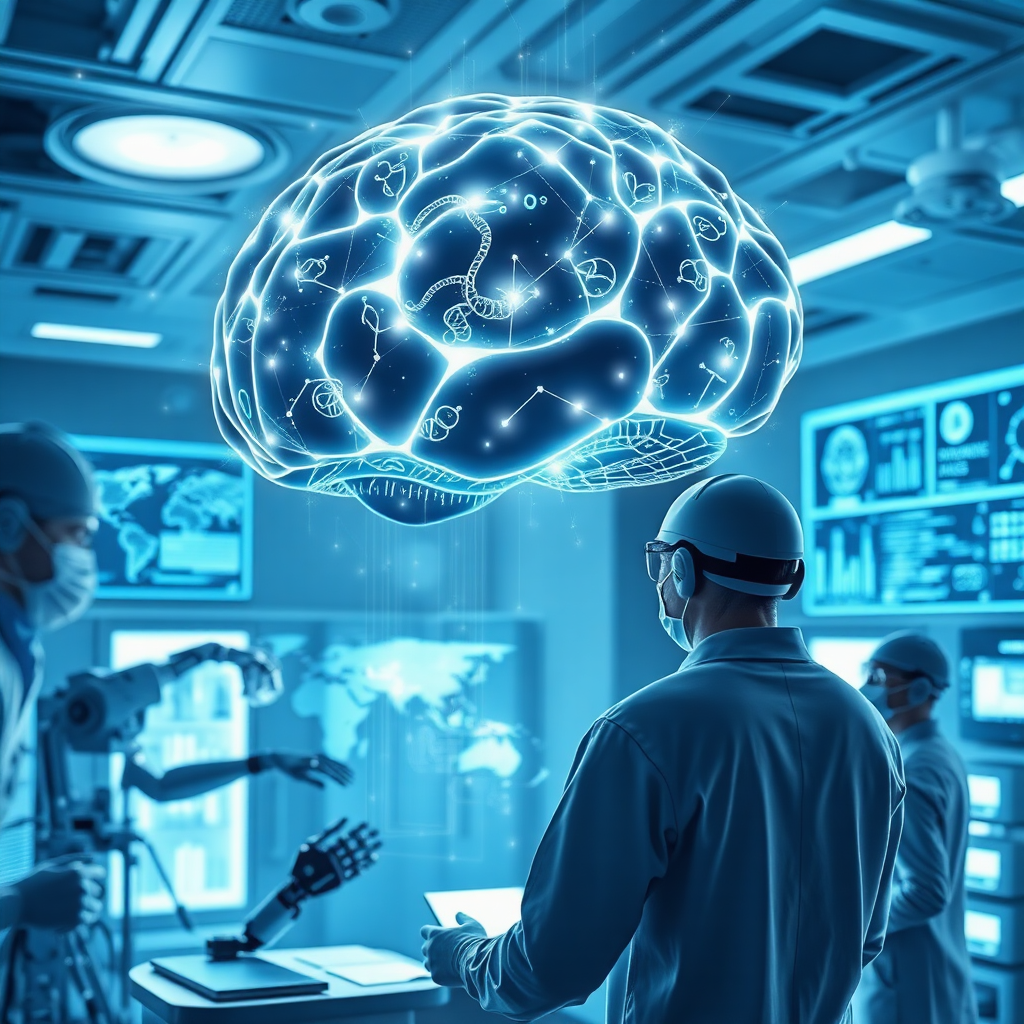 The Transformative Impact of AI in Healthcare: Enhancing Outcomes and Reducing Costs
Artificial Intelligence (AI) is revolutionizing the healthcare industry by improving patient outcomes, streamlining operations, and significantly reducing costs. From diagnostics to personalized treatment plans, AI's integration into medical practices is reshaping the future of healthcare delivery.
1. Enhancing Diagnostic Accuracy
AI algorithms have demonstrated remarkable proficiency in analyzing complex medical data, leading to more accurate and timely diagnoses. For instance:
Medical Imaging: AI systems can interpret imaging data such as X-rays, MRIs, and CT scans with high precision. At institutions like AIIMS Patna, AI-powered devices assist in detecting conditions like cancer and neurological disorders, improving diagnostic accuracy and enabling early intervention.
The Times of India
Cancer Detection: Northwell Health's AI tool, iNav, analyzes MRI and CT scans to identify early signs of pancreatic cancer, reducing the time from diagnosis to treatment by 50%.
Time
2. Personalized Treatment Plans
AI facilitates the development of tailored treatment strategies by analyzing individual patient data:
Prostate Cancer Therapy: Researchers have developed an AI test that predicts which patients with high-risk, non-metastatic prostate cancer will benefit from the drug abiraterone. This approach ensures that only patients likely to respond positively receive the medication, minimizing unnecessary side effects and costs.
The Guardian
Drug Discovery: DeepMind's AlphaFold has revolutionized protein structure prediction, accelerating drug development processes and contributing to significant advancements in personalized medicine.
Vox+1Docus+1
3. Streamlining Administrative Tasks
AI significantly reduces the administrative burden on healthcare providers:
Clinical Documentation: AI-powered ambient listening tools, such as Microsoft's DAX Copilot, transcribe and process doctor-patient conversations, reducing documentation time from 90 to under 30 minutes daily. This efficiency allows physicians to focus more on patient care.
WSJ
Administrative Automation: According to McKinsey, AI can automate up to 45% of administrative tasks in healthcare, potentially saving the industry $150 billion annually.
Onix+2ITRex+2Glorium Tech+2
4. Remote Patient Monitoring and Preventive Care
AI enables continuous monitoring and proactive healthcare management:
Chronic Disease Management: AI-driven wearable devices and home monitoring systems track patients' vital signs in real-time, allowing for early detection of potential health issues and timely interventions.
LinkedIn
Hospitalization Reduction: AI-enabled predictive analytics can identify high-risk patients, reducing hospital admissions by up to 30% and translating into substantial cost savings.
jorie.ai
5. Cost Savings and Economic Impact
The integration of AI in healthcare leads to significant cost reductions:
Operational Efficiency: AI applications in supply chain management and administrative processes can reduce operational costs by up to 34%, enhancing overall healthcare affordability.
Onix+1arXiv+1
Preventive Care Allocation: A data-driven decision model for allocating preventive treatments to at-risk patients demonstrated potential annual savings of $1.1 billion in the U.S. healthcare system.
arXiv
Conclusion
AI's integration into healthcare is not only enhancing diagnostic accuracy and personalizing treatment but also streamlining operations and reducing costs. As technology continues to evolve, the potential for AI to further transform healthcare delivery and accessibility is immense, promising a future of improved patient outcomes and more efficient healthcare systems.
The Transformative Impact of AI in Healthcare: Enhancing Outcomes and Reducing Costs
Artificial Intelligence (AI) is revolutionizing the healthcare industry by improving patient outcomes, streamlining operations, and significantly reducing costs. From diagnostics to personalized treatment plans, AI's integration into medical practices is reshaping the future of healthcare delivery.
1. Enhancing Diagnostic Accuracy
AI algorithms have demonstrated remarkable proficiency in analyzing complex medical data, leading to more accurate and timely diagnoses. For instance:
Medical Imaging: AI systems can interpret imaging data such as X-rays, MRIs, and CT scans with high precision. At institutions like AIIMS Patna, AI-powered devices assist in detecting conditions like cancer and neurological disorders, improving diagnostic accuracy and enabling early intervention.
The Times of India
Cancer Detection: Northwell Health's AI tool, iNav, analyzes MRI and CT scans to identify early signs of pancreatic cancer, reducing the time from diagnosis to treatment by 50%.
Time
2. Personalized Treatment Plans
AI facilitates the development of tailored treatment strategies by analyzing individual patient data:
Prostate Cancer Therapy: Researchers have developed an AI test that predicts which patients with high-risk, non-metastatic prostate cancer will benefit from the drug abiraterone. This approach ensures that only patients likely to respond positively receive the medication, minimizing unnecessary side effects and costs.
The Guardian
Drug Discovery: DeepMind's AlphaFold has revolutionized protein structure prediction, accelerating drug development processes and contributing to significant advancements in personalized medicine.
Vox+1Docus+1
3. Streamlining Administrative Tasks
AI significantly reduces the administrative burden on healthcare providers:
Clinical Documentation: AI-powered ambient listening tools, such as Microsoft's DAX Copilot, transcribe and process doctor-patient conversations, reducing documentation time from 90 to under 30 minutes daily. This efficiency allows physicians to focus more on patient care.
WSJ
Administrative Automation: According to McKinsey, AI can automate up to 45% of administrative tasks in healthcare, potentially saving the industry $150 billion annually.
Onix+2ITRex+2Glorium Tech+2
4. Remote Patient Monitoring and Preventive Care
AI enables continuous monitoring and proactive healthcare management:
Chronic Disease Management: AI-driven wearable devices and home monitoring systems track patients' vital signs in real-time, allowing for early detection of potential health issues and timely interventions.
LinkedIn
Hospitalization Reduction: AI-enabled predictive analytics can identify high-risk patients, reducing hospital admissions by up to 30% and translating into substantial cost savings.
jorie.ai
5. Cost Savings and Economic Impact
The integration of AI in healthcare leads to significant cost reductions:
Operational Efficiency: AI applications in supply chain management and administrative processes can reduce operational costs by up to 34%, enhancing overall healthcare affordability.
Onix+1arXiv+1
Preventive Care Allocation: A data-driven decision model for allocating preventive treatments to at-risk patients demonstrated potential annual savings of $1.1 billion in the U.S. healthcare system.
arXiv
Conclusion
AI's integration into healthcare is not only enhancing diagnostic accuracy and personalizing treatment but also streamlining operations and reducing costs. As technology continues to evolve, the potential for AI to further transform healthcare delivery and accessibility is immense, promising a future of improved patient outcomes and more efficient healthcare systems.