Jeff Dean Leaves Google After 27 Years to Launch AI-for-Science Startup Discovery Loop
Jeff Dean Leaves Google After 27 Years to Launch AI-for-Science Startup Discovery Loop
Jeff Dean, Google's chief scientist and famously the company's 30th employee, is stepping down after nearly 27 years to co-found a new startup called Discovery Loop. The departure marks one of the most notable executive exits in the company's history and arrives amid a wider reshuffling of AI leadership across Google and its parent company, Alphabet.
Dean's move is being framed both as a personal career pivot toward startup life and as a significant event for the AI industry, given his stature as one of the architects of Google's modern computing and machine learning infrastructure.
What Is Discovery Loop?
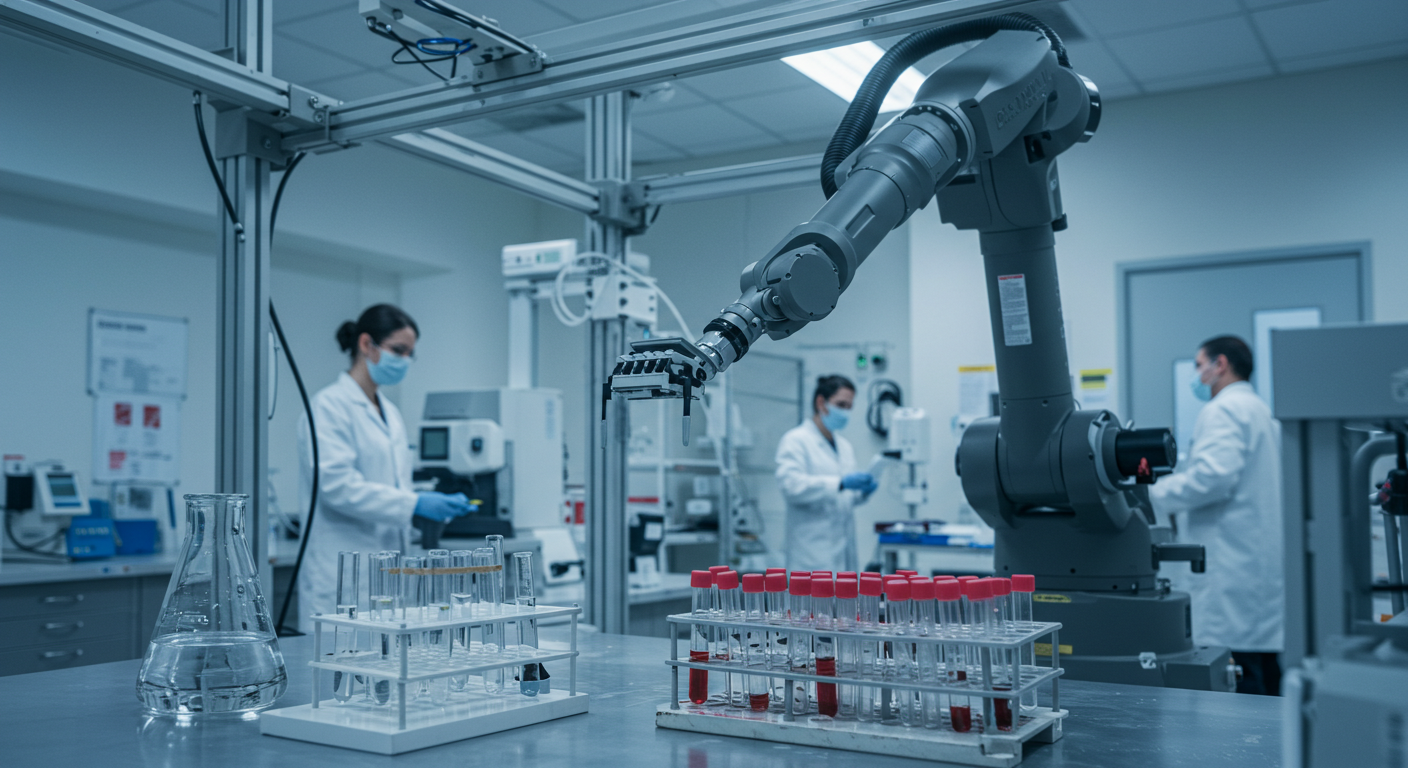
Discovery Loop is structured as a public benefit corporation and is based in Palo Alto. According to company statements, its mission is to use artificial intelligence to automate and accelerate scientific experimentation. Founder messaging invokes ambitious concepts such as "recursive self-improvement" and claims of automating scientific discovery "thousands of times over."
These framings come from the company's own statements rather than independently verified technical claims. Many observers note that such language echoes broader industry excitement around AI-driven research tools, though the practical scope of what Discovery Loop can deliver remains to be demonstrated.
The Founding Team
Dean is joined in this venture by several senior Google and DeepMind veterans: Sanjay Ghemawat, Oriol Vinyals, and Quoc Le. Each has held significant standing within Google's research culture, and their coordinated departure is being read by many in the industry as a notable exit of top-tier AI talent rather than a single individual's career change.
Funding and Google's Unusual Dual Role
Discovery Loop's seed funding round was co-led by Radical Ventures and Khosla Ventures, with additional participation from Kleiner Perkins, Lightspeed, and Doerr Capital. Notably, Google itself is serving as a founding investor and has agreed to provide cloud computing resources for at least the startup's first year.
This dual role, as both former employer and financial backer, has prompted questions among industry watchers about what the arrangement signals strategically. A recurring point of discussion is whether this reflects a deliberate strategy to retain influence over departing talent and their future work, though no source material confirms an explicit motive beyond the stated investment and cloud partnership terms.
A Broader Leadership Reshuffle at Google DeepMind
Dean's exit coincides with other significant changes at Google DeepMind. Demis Hassabis is transitioning from his role as DeepMind CEO to chairman of DeepMind and chief scientist of Alphabet. Koray Kavukcuoglu is being elevated to senior vice president, overseeing development of Google's Gemini models.
These changes are occurring concurrently with, rather than incidentally to, Dean's departure, suggesting a coordinated period of transition within Google's AI leadership structure.
Part of a Pattern: Google's AI Talent Movement
Dean's departure follows other high-profile exits earlier in 2026, including Noam Shazeer's move to OpenAI and John Jumper's move to Anthropic in late June. Alphabet shares reportedly fell somewhere in the range of four to seven percent following the cumulative announcements of these departures.
A recurring concern among industry observers is whether this pattern reflects a broader talent drain from Google toward competitors and independent ventures. Market reaction to the news suggests investors are watching leadership stability closely, though the long-term implications remain a matter of ongoing discussion rather than settled fact.
What Remains Unverified
Much of the coverage of Discovery Loop's technical ambitions traces back to a limited chain of sourcing, including company statements, an interview with the New York Times, and reporting attributed to the Wall Street Journal. The startup's claims about automating scientific discovery at scale have not been independently verified by outside researchers or institutions.
It is important to distinguish between confirmed corporate and personnel facts, such as the funding round, founding team, and organizational changes at Google, and the more speculative, promotional claims about what the underlying technology can actually achieve. As with many early-stage startups making bold claims about transformative capability, a cautious, wait-and-see posture appears warranted until independent verification emerges.