How Artificial Intelligence Is Quietly Changing Everyday Life
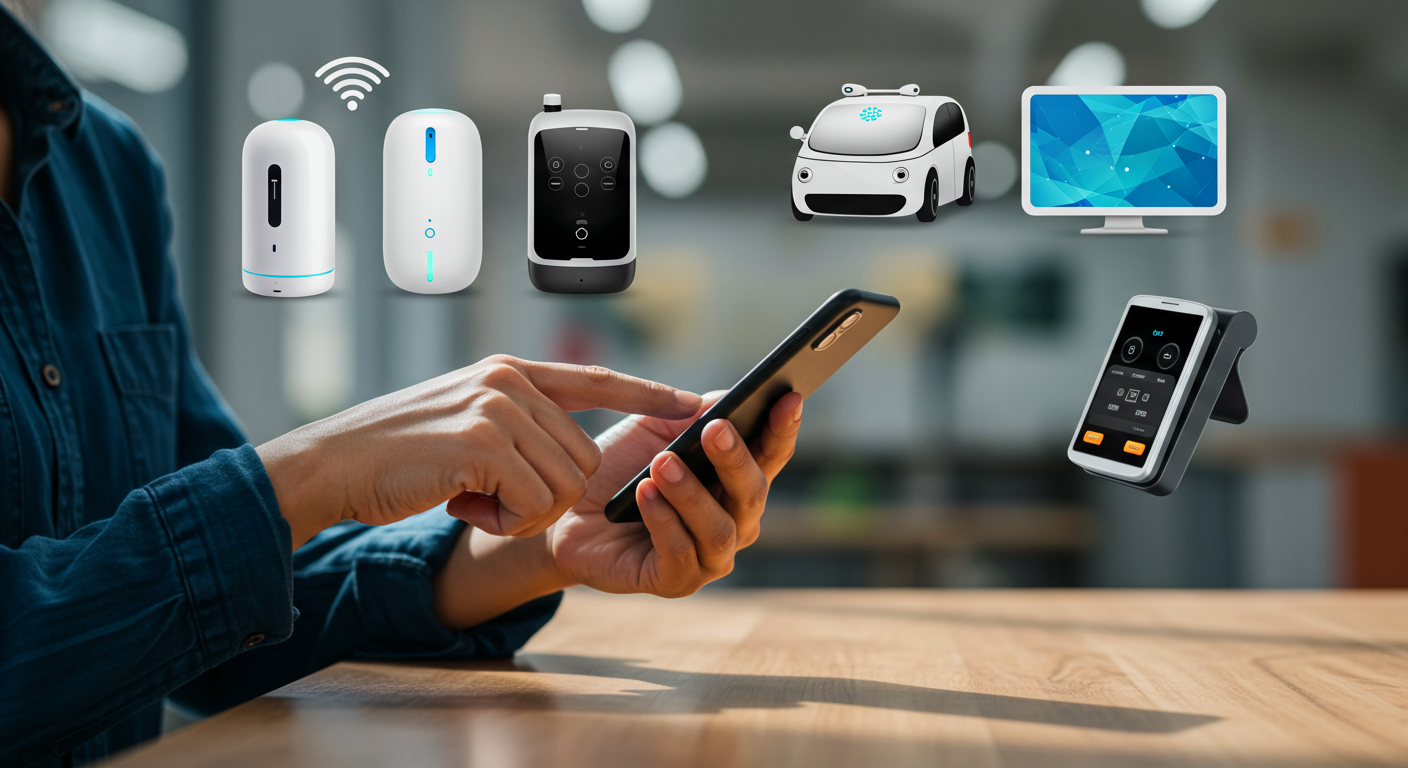
Artificial intelligence has moved far beyond science fiction, quietly embedding itself into our daily routines. While headlines focus on dramatic breakthroughs and dystopian warnings, the real AI revolution happens in mundane moments: when your phone predicts your next word, when your commute automatically reroutes around traffic, or when your doctor receives AI-powered diagnostic insights.
The Invisible Revolution in Your Pocket
Modern smartphones operate as sophisticated AI laboratories that most users never fully appreciate. Beyond familiar voice assistants, machine learning algorithms power predictive text that adapts to your writing style, camera systems that enhance photos through computational photography, and battery management that optimizes power based on your usage patterns.
App recommendation systems analyze your behavior to surface relevant content at the right moments, while notification algorithms determine when you're most likely to engage with messages without disruption. These AI systems work continuously in the background, making millions of micro-decisions that create a more personalized, efficient experience.
The sophistication extends to automatic spam call detection, real-time language translation, and adaptive screen brightness that responds not just to ambient light but to your viewing habits and preferences.
Healthcare's Quiet AI Integration
Healthcare has witnessed perhaps the most consequential AI integration, with machine learning systems now assisting in medical diagnosis, treatment planning, and patient monitoring. Radiology departments increasingly rely on AI tools that detect anomalies in medical imaging with accuracy often surpassing human specialists, particularly for identifying early-stage cancers and subtle fractures.
Wearable health devices have evolved from simple step counters to sophisticated monitoring systems that use machine learning to detect irregular heart rhythms, predict health episodes, and provide personalized wellness recommendations. These devices continuously analyze physiological data to establish individual baselines and alert users to significant changes.
Telemedicine platforms now incorporate AI-driven symptom assessment tools that help triage patients and guide care pathways. These systems process patient-reported symptoms, medical history, and vital signs to provide healthcare providers with preliminary assessments and diagnostic recommendations.
However, this integration raises important questions about patient data privacy and health information security. Healthcare organizations must balance AI-enhanced care benefits with robust data protection and transparent consent processes.
The Commute Gets Smarter
Transportation systems have become testbeds for AI optimization, with algorithms managing traffic flow, optimizing routes, and improving safety across multiple transit modes. Major cities deploy AI-powered traffic management that analyzes real-time congestion, accident reports, and historical data to adjust signal timing and suggest alternate routes.
Ride-sharing platforms use sophisticated machine learning for dynamic pricing that responds to demand patterns, driver availability, and local events. These systems also optimize driver routing to minimize wait times and travel distances while maximizing overall efficiency.
Public transportation networks increasingly rely on AI for predictive vehicle maintenance, crowd management during peak hours, and service optimization based on ridership patterns. These applications reduce delays, improve safety, and enhance passenger experience.
The automotive industry has gradually introduced AI-powered features edging toward full autonomy: adaptive cruise control, automatic emergency braking, lane departure warnings, and parking assistance systems that learn from millions of driving scenarios.
Shopping and Commerce Transformation
AI technologies have fundamentally reshaped retail, influencing everything from product discovery to inventory management. Recommendation engines now drive purchase decisions across e-commerce platforms, analyzing browsing behavior, purchase history, and demographics to suggest products with increasing accuracy.
Behind the scenes, AI-driven inventory systems help retailers predict demand, optimize stock levels, and reduce waste by analyzing sales patterns, seasonal trends, and external factors like weather or local events. These systems automatically adjust ordering and pricing to maximize efficiency and profitability.
Customer service has been revolutionized by AI-powered chatbots and virtual assistants that handle routine inquiries, process returns, and guide customers through complex purchasing decisions. These systems escalate complex issues to human representatives while resolving straightforward requests instantly.
Dynamic pricing algorithms continuously adjust product costs based on demand, competitor pricing, inventory levels, and customer behavior, creating a more fluid, responsive marketplace optimized for various business objectives.
The Future of Work, Today
AI integration in workplace environments has accelerated dramatically, with productivity-augmenting tools becoming standard across industries. Document analysis systems extract key information from contracts and reports, while scheduling algorithms optimize meeting coordination and resource allocation.
Automation has expanded beyond manufacturing to encompass routine tasks in offices, healthcare facilities, and service industries. AI systems now handle data entry, basic analysis, appointment scheduling, and preliminary customer interactions, freeing human workers to focus on complex and creative responsibilities.
This transformation has created new skill requirements and job market dynamics, with increased demand for workers who can collaborate effectively with AI systems and interpret algorithmic outputs. The most successful implementations focus on human-AI collaboration rather than wholesale replacement of human judgment.
Decision-making processes increasingly incorporate AI-generated insights and recommendations while maintaining human oversight for complex or sensitive choices. This balance requires careful consideration of when to trust algorithmic recommendations versus human intuition and experience.
Home Automation and Daily Routines
Smart home technology has evolved from simple remote control to sophisticated systems that learn user preferences and adjust automatically. Thermostats analyze occupancy patterns and weather forecasts to optimize heating and cooling, while lighting systems adjust brightness and color temperature based on time and activity patterns.
Energy management systems use AI to optimize consumption patterns, shifting energy-intensive activities to off-peak hours and integrating renewable sources more effectively. These systems reduce utility costs while minimizing environmental impact through intelligent load balancing.
Home security systems now incorporate AI-powered threat detection that distinguishes between normal activity and potential security concerns, reducing false alarms while improving response accuracy. Video analytics can recognize familiar faces and detect unusual behavior patterns.
The growing ecosystem of connected devices creates opportunities for collective intelligence, where appliances, sensors, and control systems share information to create more responsive and efficient home environments.
Public Perception and Adaptation
Consumer awareness and acceptance of AI varies significantly across demographics and applications. Research from the Pew Research Center indicates that while many people express concerns about AI's growing influence, they simultaneously appreciate the convenience and functionality that AI-powered features provide.
Generational differences play a significant role in AI adoption, with younger users typically more comfortable with AI integration while older adults may prefer explicit control and transparency. These preferences influence product design and marketing strategies across industries.
Privacy concerns, job displacement fears, and algorithmic bias represent ongoing challenges that organizations must address through transparent practices, user education, and robust ethical guidelines. According to Brookings Institution research, the most successful AI implementations provide users with meaningful control over their data and clear explanations of how systems make decisions.
Building public trust requires ongoing dialogue between technology developers, policymakers, and communities to ensure AI integration serves broad social interests while respecting individual preferences and rights.
As AI continues evolving and integrating deeper into daily life, the challenge will be maintaining intelligent automation benefits while preserving human agency and addressing legitimate concerns about privacy, fairness, and social impact. The future of everyday AI will likely depend on our collective ability to shape these technologies in ways that enhance rather than replace human capabilities and values.