How Artificial Intelligence Is Quietly Changing Everyday Life
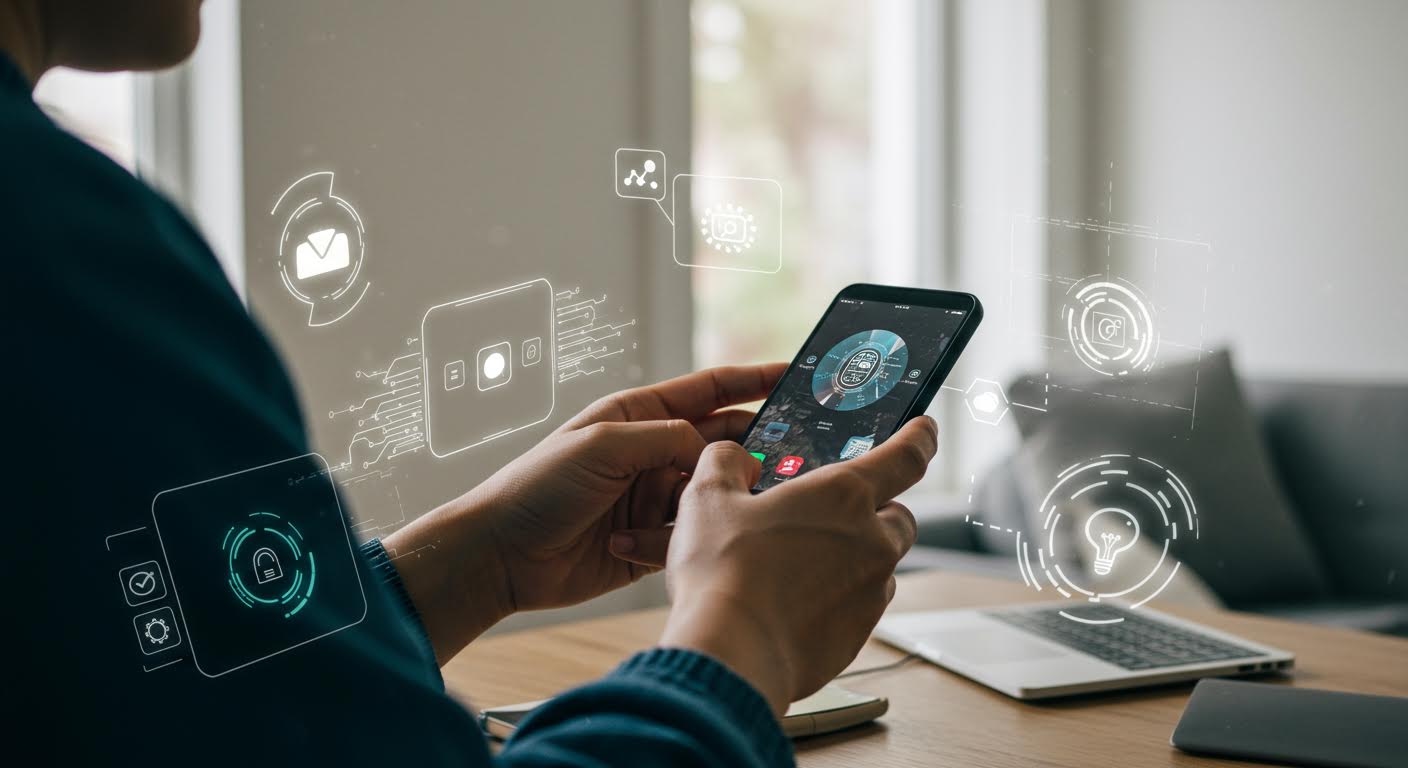
The Invisible AI Revolution
The artificial intelligence revolution didn't arrive with fanfare or dramatic announcements. Instead, it crept into our daily lives through incremental updates, quiet integrations, and seamless enhancements that made complex tasks feel effortless. By 2024, AI has become so embedded in everyday activities that many people interact with intelligent systems dozens of times per day without consciously recognizing it.
This quiet transformation represents a fundamental shift from AI as a futuristic concept to AI as mundane infrastructure. The breakthrough adoption happened not through revolutionary moments, but through the gradual improvement of tools people were already using—email platforms, navigation apps, shopping sites, and communication tools. Today, AI operates behind the scenes in domains ranging from workplace productivity to home automation, transportation optimization to content curation.
At Work: Automation Reshapes the Daily Grind
Professional environments have become testing grounds for AI integration, with workers increasingly relying on intelligent systems to handle routine tasks. Email drafting tools now suggest complete responses, meeting platforms automatically generate summaries and action items, and administrative workflows operate with minimal human intervention. These changes have fundamentally altered how people spend their working hours, shifting focus from data processing to decision-making and creative problem-solving.
Industry-specific applications demonstrate AI's broad reach across professional sectors. Healthcare providers use AI-assisted diagnostic tools to analyze medical images and identify potential health issues. Financial analysts rely on machine learning algorithms to process market data and identify investment patterns. Customer service departments deploy chatbots and automated response systems that handle routine inquiries without human involvement.
The employment landscape reflects these technological shifts through changing job requirements and emerging workplace dynamics. While some roles have been automated entirely, many positions have evolved to incorporate AI collaboration as a core skill. According to research from the Brookings Institution, regional variations in AI adoption reveal significant disparities, with urban technology centers leading implementation while rural and resource-constrained areas lag behind in accessing advanced tools.
At Home: Personal AI Assistants Go Mainstream
Home environments have witnessed a dramatic evolution in AI capabilities, moving beyond simple voice commands to complex task completion and anticipatory assistance. Modern AI systems help with daily planning, manage shopping lists, provide cooking recommendations, and even assist with personal decision-making through data analysis and pattern recognition.
Smart home ecosystems now learn individual routines and preferences, automatically adjusting lighting, temperature, and security settings based on occupancy patterns and behavioral data. These systems operate continuously in the background, creating personalized environments that adapt to changing needs throughout the day.
However, this convenience comes with significant privacy implications. As AI systems become more personalized and responsive, they require access to increasingly detailed personal information—from scheduling patterns to purchasing preferences to communication habits. The trade-off between enhanced functionality and data privacy has become a central concern for many households navigating AI adoption.
On the Move: Transportation and Navigation Intelligence
Transportation systems have embraced AI to optimize efficiency and enhance safety across multiple modes of travel. Navigation applications provide real-time traffic analysis and route optimization, helping drivers avoid congestion and reduce travel time. These systems process vast amounts of data from multiple sources to deliver personalized recommendations that account for individual preferences and historical patterns.
Public transit authorities increasingly rely on predictive AI for scheduling and capacity management. Machine learning algorithms analyze ridership patterns, weather conditions, and special events to optimize service delivery and reduce wait times. These systems help transportation agencies operate more efficiently while improving the passenger experience.
Consumer vehicles now include early autonomous features and AI-powered safety systems that prevent accidents before they occur. Automatic emergency braking, lane departure warnings, and adaptive cruise control represent the mainstream adoption of technologies that were experimental just a few years ago. These safety enhancements operate transparently, intervening only when necessary to prevent dangerous situations.
Digital Life: Communication and Content Curation
Online experiences have been fundamentally transformed by AI algorithms that shape information consumption and social interaction. Social media platforms use sophisticated machine learning systems to curate feeds, recommend connections, and prioritize content based on engagement patterns and personal interests. These systems influence what information people encounter and how they understand current events and social trends.
AI-generated content has become increasingly sophisticated and difficult to distinguish from human-created material. From automated news summaries to personalized product descriptions, machine-generated text and images now appear regularly in digital communications. MIT Technology Review reports that this trend raises important questions about authenticity and the nature of creative expression in an AI-enhanced world.
Language translation capabilities have broken down communication barriers, enabling real-time conversations between speakers of different languages. These tools have democratized global communication and opened new opportunities for international collaboration and cultural exchange.
The Anxiety Beneath: Public Concerns About Human Agency
Despite the convenience and efficiency gains from AI integration, research from the Pew Research Center reveals growing concerns about the long-term implications of increasing dependence on intelligent systems. Surveys indicate that many people worry about maintaining personal autonomy and decision-making capabilities as AI becomes more pervasive in daily life.
Generational differences in AI comfort levels highlight varying perspectives on technology adoption. Younger users often embrace AI tools enthusiastically, while older adults express more skepticism about relinquishing control to automated systems. These differences reflect broader questions about the appropriate balance between technological convenience and human agency.
The challenge of maintaining meaningful human control becomes more complex as AI systems operate with increasing autonomy. People must navigate decisions about when to rely on automated recommendations versus personal judgment, and how to preserve important skills that AI can perform more efficiently.
Looking Ahead: Managing the Quiet Revolution
Policymakers face the complex challenge of regulating AI systems that operate largely invisibly within existing platforms and services. Traditional regulatory approaches struggle to address the distributed and embedded nature of modern AI implementation, requiring new frameworks that can adapt to rapidly evolving technology.
Individual strategies for managing AI integration include developing digital literacy skills, maintaining awareness of when AI systems are making decisions, and consciously preserving human capabilities that automated tools might otherwise replace. These personal approaches to AI adoption reflect broader societal questions about the role of technology in human development and self-determination.
McKinsey & Company research suggests that the next wave of AI adoption promises even deeper integration into daily life, with advances in areas like personal health monitoring, financial management, and educational support. Preparing for these developments requires ongoing dialogue between technologists, policymakers, and the public to ensure that AI enhancement serves human flourishing rather than replacing human agency.
As artificial intelligence continues its quiet transformation of everyday life, the challenge lies not in stopping technological progress but in shaping it to preserve what makes us most human while embracing the genuine benefits that intelligent systems can provide.