How AI Is Transforming Medical Imaging and Scan Analysis
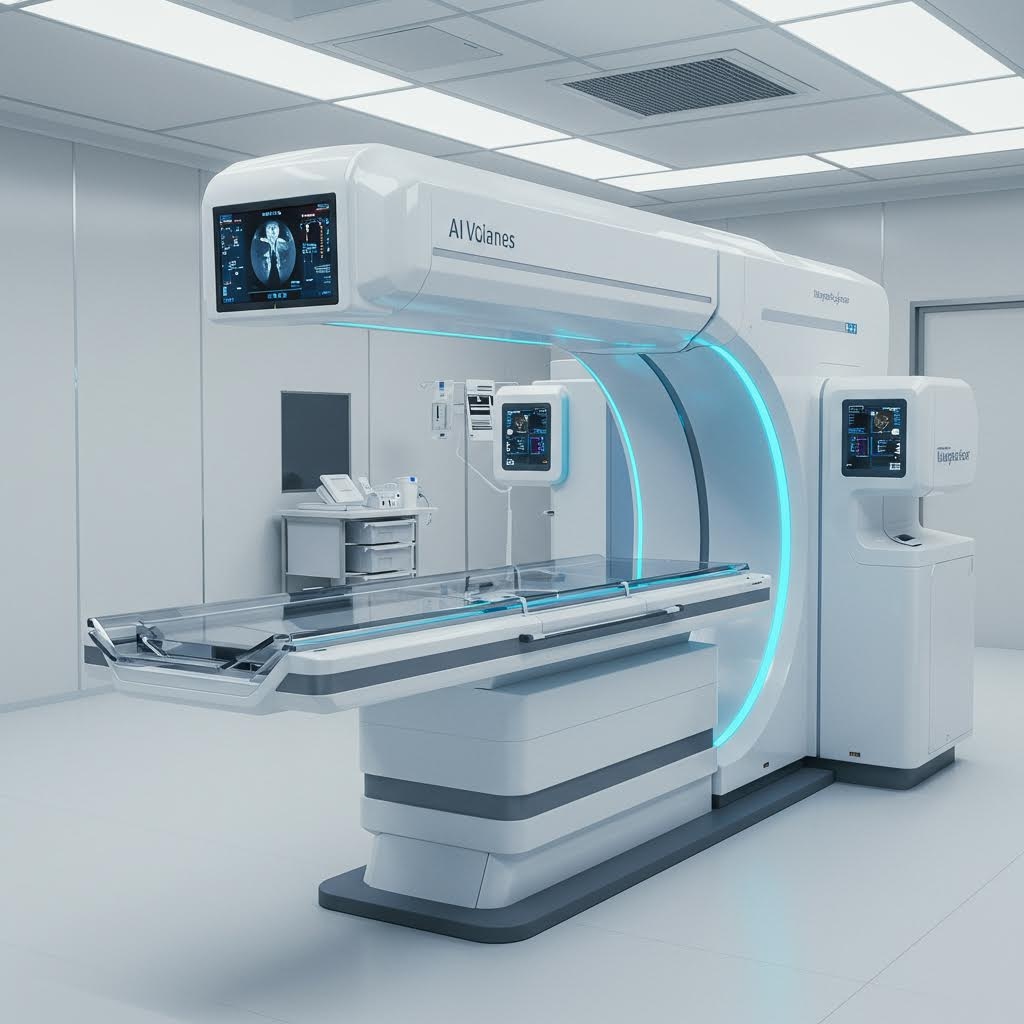
Artificial intelligence is fundamentally transforming medical imaging, delivering unprecedented diagnostic accuracy and efficiency. As healthcare systems worldwide face increasing patient volumes and complex diagnostic challenges, AI-powered imaging analysis has become a critical tool for improving patient outcomes and streamlining clinical workflows.
Traditional medical imaging has significant limitations: human interpretation varies, analysis takes considerable time, and detecting subtle patterns indicating early-stage diseases remains challenging. AI technologies address these issues through advanced pattern recognition, consistent diagnostic performance, and the ability to process vast amounts of imaging data with remarkable precision.
Breakthrough Diagnostic Accuracy Across Medical Specialties
AI systems consistently demonstrate exceptional performance across various medical imaging applications, often outperforming traditional diagnostic methods. In diabetic retinopathy detection, machine learning algorithms identify early signs of this vision-threatening condition with accuracy rates exceeding 90%, enabling earlier intervention and better patient outcomes.
Skin cancer identification represents another major breakthrough. Deep learning models trained on thousands of dermatological images distinguish between benign and malignant lesions with accuracy matching experienced dermatologists. These systems detect subtle patterns invisible to human observers, potentially identifying cancerous growths at earlier, more treatable stages.
Pattern recognition capabilities span multiple imaging types—X-rays, CT scans, MRI, and ultrasound. AI algorithms identify anomalies, measure anatomical structures, and track disease progression with consistent precision. Clinical trials repeatedly show that AI-assisted diagnosis reduces both false positive and false negative rates while improving overall diagnostic confidence.
FDA-Approved AI Medical Devices and Evolving Regulations
Regulatory approval of AI medical devices has accelerated dramatically, with the FDA approving over 100 AI-enabled medical devices recently. Most of these approvals focus on radiology and imaging analysis, reflecting the clinical maturity of AI technologies in this field.
FDA-approved AI imaging devices serve multiple specialties: cardiology, ophthalmology, radiology, and pathology. These approvals represent rigorous evaluation processes assessing safety, efficacy, and clinical utility. The regulatory framework continues evolving, with the FDA developing specific AI medical device guidelines addressing algorithm transparency, performance monitoring, and post-market surveillance.
Safety and efficacy standards for AI diagnostics emphasize clinical validation, bias mitigation, and continuous performance monitoring. Regulatory bodies are establishing frameworks ensuring AI medical devices maintain performance over time across diverse patient populations.
Transforming Clinical Workflows and Boosting Efficiency
AI integration in medical imaging has produced measurable efficiency improvements across healthcare settings. Scan interpretation times have decreased significantly, allowing radiologists to focus on complex cases while AI handles routine screenings and preliminary analysis.
Diagnostic consistency represents a major AI advantage, eliminating human factors like fatigue, distraction, or subjective interpretation variations. This consistency proves particularly valuable in large healthcare systems where multiple radiologists interpret similar cases, ensuring standardized diagnostic quality.
AI-powered case prioritization has transformed emergency and urgent care workflows. Systems automatically flag critical findings—potential strokes, fractures—ensuring time-sensitive cases receive immediate attention. This capability has proven especially valuable in busy emergency departments and trauma centers.
Integration with existing hospital systems has become increasingly sophisticated. AI tools seamlessly connect to picture archiving and communication systems (PACS) and electronic health records, enabling automated reporting, trend analysis, and decision support that enhance overall clinical efficiency.
Overcoming Implementation Challenges
Clinical validation requirements present ongoing implementation challenges. Healthcare institutions must thoroughly test AI systems to ensure accurate performance within their specific patient populations and imaging protocols. This validation process requires significant time, resources, and clinical expertise.
Workflow integration obstacles often emerge when incorporating AI tools into established clinical practices. Healthcare professionals must adapt existing procedures, learn new interfaces, and develop trust in AI-generated recommendations. Successful implementation requires comprehensive change management strategies and ongoing support.
Training and adoption challenges affect medical professionals at all levels, from radiologists to technicians. Educational programs and hands-on training sessions build confidence and competency in AI-assisted imaging analysis. Professional organizations and medical schools increasingly incorporate AI education into their curricula.
Cost considerations and return on investment calculations vary significantly across healthcare settings. While AI systems require substantial upfront investments, potential benefits include reduced interpretation times, improved diagnostic accuracy, and decreased liability exposure. Healthcare administrators must carefully evaluate these factors when making implementation decisions.
Future Innovations and Expanding Applications
Next-generation AI imaging technologies in development promise even more sophisticated capabilities, including multi-modal analysis combining imaging data with laboratory results, genetic information, and clinical history. These comprehensive approaches may enable more personalized and precise diagnostic recommendations.
Applications beyond traditional radiology are expanding rapidly. AI systems are being developed for surgical guidance, treatment planning, and therapy monitoring. Real-time diagnostic assistance during medical procedures represents a particularly promising development area.
AI's potential for immediate diagnostic feedback during imaging procedures could revolutionize point-of-care medicine. Portable ultrasound devices with integrated AI analysis could enable rapid diagnosis in emergency situations or remote locations lacking specialist expertise.
Long-term implications for healthcare delivery include democratizing access to high-quality diagnostic imaging analysis, particularly in underserved areas. As AI systems become more sophisticated and accessible, they may help address global healthcare disparities by providing expert-level diagnostic capabilities regardless of location.