How AI Is Transforming Education for Students, Parents, and Teachers
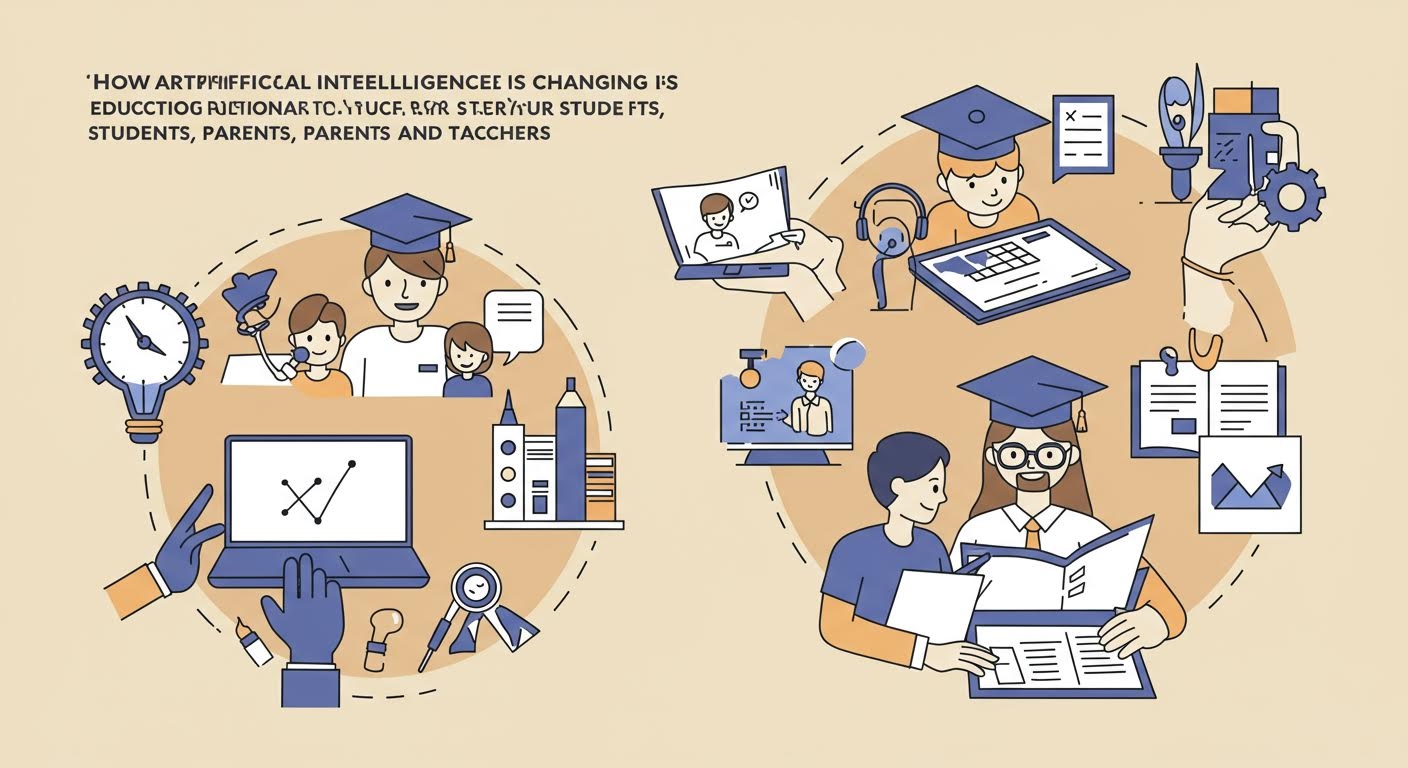
Artificial intelligence is revolutionizing education, fundamentally changing how students learn, teachers teach, and parents support their children's academic growth. From AI tutors that adapt to individual learning styles to automated grading systems, these technologies are creating exciting opportunities while introducing complex challenges that schools are still figuring out how to handle.
Where AI Stands in Education Today
AI adoption looks different across educational levels. Universities have generally embraced AI tools faster, especially for research and administrative tasks, while K-12 schools are taking a more cautious approach due to concerns about student development and compliance requirements.
The federal government has stepped in with policy guidelines to ensure responsible AI use in schools. The Department of Education emphasizes the need for transparency, fairness, and proven educational benefits when implementing AI tools. These policies highlight the importance of keeping humans in charge and protecting student privacy.
Schools are already using various AI tools: adaptive learning platforms that adjust difficulty based on how students perform, automated essay grading systems, and chatbot helpers for basic student questions. Many institutions are also testing AI-powered scheduling systems and analytics that can spot students who might be falling behind.
How AI Is Changing the Student Experience
For students, AI is making learning more personal. Smart assessment systems can spot knowledge gaps immediately and provide targeted practice exercises. These platforms adjust the pace and presentation style to match how individual students learn best, potentially improving outcomes for all types of learners.
AI tutoring systems are getting remarkably sophisticated, offering round-the-clock homework help and explanations of difficult concepts. Students can now get instant feedback on their work, eliminating the traditional wait time between turning in assignments and getting them back graded.
However, AI is also changing how students approach research and assignments. With AI writing assistants readily available, some students rely heavily on AI-generated content instead of developing their own analytical skills.
The digital divide remains a serious concern. Students from lower-income families may not have access to the advanced AI tools their classmates use, potentially widening existing educational gaps. Schools are struggling to ensure fair access while managing tight budgets.
The Teacher Experience: New Tools and New Challenges
Teachers are seeing some of the biggest changes from AI integration. Many report saving significant time with AI-powered grading systems, especially for multiple-choice tests and basic writing assignments. This automation lets educators spend more time on lesson planning, working directly with students, and improving their teaching skills.
AI is also improving how teachers deliver content through smart recommendation systems that suggest relevant materials based on learning goals and student needs. Some teachers use AI assistants to create quiz questions, make differentiated worksheets, and develop lesson plan variations for different types of learners.
Professional development remains a major challenge. Many teachers feel unprepared to effectively use AI tools in their classrooms. While schools are investing in training programs, the fast pace of AI development makes it hard for professional development to stay current.
Despite early worries about job loss, most research shows that AI will transform teaching rather than replace teachers. The human aspects of education—emotional support, complex problem-solving guidance, and creative inspiration—can't be replaced. Teachers are becoming learning facilitators who work with AI systems rather than being replaced by them.
What Parents Think About AI in Schools
Parents have mixed feelings about AI in their children's education. Many like the idea of more personalized instruction and immediate feedback that AI can provide. Parents of children with learning disabilities are especially interested in AI tools that can adapt to their kids' specific needs.
Privacy and data security are major concerns for parents. They worry about how much personal information about their children is being collected by AI systems and how this data might be used or shared. Many schools struggle to clearly explain their data protection policies to parents.
There's also concern about preparing children for a workplace where AI is common. Parents want schools to teach both AI literacy and the critical thinking skills needed to work effectively with AI tools. However, many parents aren't sure what these skills should look like.
Communication between schools and parents about AI policies is often difficult. Many schools are still developing their AI guidelines, making it hard to give clear answers to parents' questions about how AI is being used in their children's education.
Academic Integrity in the Age of AI
Academic integrity has become one of the biggest issues in AI-enhanced education. Schools are creating new policies around AI use in assignments and tests, with approaches ranging from complete bans to structured integration.
AI detection tools have emerged to identify AI-generated content, but they don't work perfectly. These systems often flag human work as AI-generated and can miss sophisticated AI use, creating problems for teachers trying to enforce the rules.
What counts as original student work is being redefined given AI capabilities. Some schools are moving toward open-book, open-AI testing that focuses on higher-level thinking skills rather than memorizing information or basic writing tasks.
Rather than simply banning AI use, many educators support teaching responsible AI use as an essential modern skill. This approach involves helping students understand when AI assistance is appropriate, how to properly credit AI-generated content, and how to maintain their own thinking abilities while using AI tools.
The Future of AI-Enhanced Education
Emerging trends in educational AI include more advanced virtual reality learning environments, AI-powered career counseling systems, and predictive models that can identify the best learning paths for individual students. Better natural language processing may soon enable more detailed automated feedback on student writing and creative work.
Long-term predictions suggest teaching will become increasingly collaborative between humans and AI. Teachers may focus more on leading discussions, providing emotional support, and helping students develop self-awareness about their learning, while AI handles routine teaching tasks and provides personalized practice.
Preparing everyone for continued AI changes requires ongoing training for teachers, digital literacy education for students and parents, and flexible policies that can adapt to new technologies. Success will likely depend on keeping focus on educational basics while thoughtfully adding new technologies.
The challenge ahead is balancing innovation with proven educational principles. While AI offers powerful tools for improving learning, the core goals of education—developing critical thinking, fostering creativity, and preparing students for life—haven't changed. The most effective AI implementations will support these fundamental goals rather than replacing them.