How AI Is Reducing Diagnosis Times in Modern Healthcare
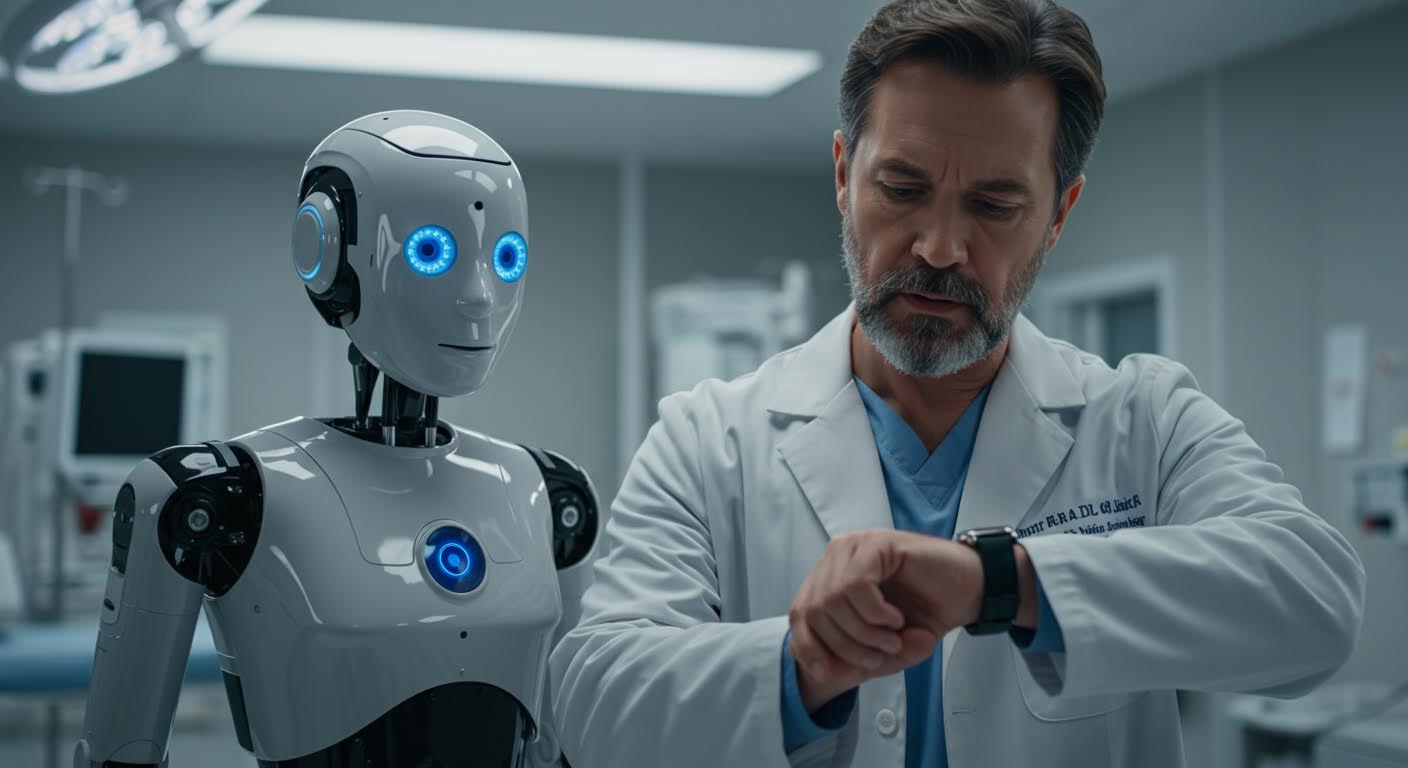
How AI Is Reducing Diagnosis Times in Modern Healthcare
The Diagnostic Speed Revolution
Healthcare systems worldwide face a critical challenge: diagnostic delays that can literally mean the difference between life and death. Traditional diagnostic processes often take hours or days, creating bottlenecks that strain resources and delay life-saving treatment decisions. But artificial intelligence is fundamentally changing this reality, delivering unprecedented speed improvements while maintaining the accuracy that patient care demands.
The numbers tell a compelling story. AI-assisted diagnostic tools are reducing processing times by 60-80% across medical specialties. Radiology algorithms analyze medical images in seconds instead of the 30-60 minutes human interpretation typically requires. Emergency departments report cutting diagnostic decision times from hours to minutes for critical conditions like stroke and heart attack.
Radiology's Lightning-Fast Transformation
Medical imaging showcases AI's most dramatic diagnostic acceleration. Machine learning algorithms trained on millions of medical images can now interpret CT scans, MRIs, and X-rays with remarkable speed and precision. These systems excel at pattern recognition tasks that traditionally required years of specialized training.
Stroke detection perfectly illustrates this transformation. AI algorithms identify acute stroke signs in CT scans within seconds of image capture, instantly alerting emergency teams rather than waiting for radiologist review. This speed matters enormously—every minute of stroke treatment delay can cost patients months of healthy life.
Cancer screening programs have experienced similar breakthroughs. AI mammography systems pre-screen thousands of images daily, flagging suspicious findings for immediate radiologist attention while automatically clearing normal cases. This smart triage reduces radiologist workload while ensuring urgent cases get priority review.
Seamless integration with Picture Archiving and Communication Systems has streamlined these workflows further. AI algorithms now operate within existing hospital infrastructure, automatically processing incoming images and delivering results directly to physician workstations without disrupting established practices.
Automated Analysis in Pathology and Lab Diagnostics
AI-powered digital pathology platforms are revolutionizing tissue analysis and laboratory diagnostics. Traditional histopathology slide review requires pathologists to manually examine tissue samples under microscopes—a painstaking process taking hours for complex cases. AI systems analyze entire slides in minutes, identifying cellular abnormalities and disease markers with precision matching experienced pathologists.
These systems shine at pattern recognition tasks like cancer grading, where consistent morphological analysis drives treatment planning. AI algorithms process hundreds of tissue regions simultaneously, generating comprehensive reports that would demand hours of manual review.
Laboratory data interpretation has also accelerated through AI implementation. Machine learning systems analyze blood work, genetic tests, and other lab results in real-time, flagging abnormal patterns and suggesting diagnoses immediately when results become available. This capability proves especially valuable in intensive care settings where rapid lab interpretation guides life-saving interventions.
Real-Time Clinical Decision Support
Clinical decision support systems integrated with electronic health records bring AI diagnostic assistance directly to patient bedsides. These systems analyze symptoms, medical history, lab results, and vital signs in real-time, generating diagnostic suggestions and risk assessments that support physician decision-making.
Emergency departments have seen particularly dramatic efficiency improvements through AI implementation. Machine learning-powered triage systems rapidly assess patient severity, prioritizing cases based on symptom patterns and vital signs. This automated risk assessment ensures critical cases receive immediate attention while optimizing resource allocation for lower-priority patients.
Primary care applications focus on pattern recognition across vast patient datasets, identifying subtle symptom combinations that might indicate serious conditions requiring urgent referral. These systems serve as diagnostic safety nets, catching potential issues that might otherwise slip through the cracks in busy clinical environments.
Clinical Validation and Performance Metrics
Rigorous clinical studies validate AI's ability to reduce diagnostic times without sacrificing accuracy. Peer-reviewed research consistently demonstrates that AI-assisted diagnostic workflows outperform traditional methods in both speed and accuracy across multiple medical specialties.
Comparative studies show AI diagnostic tools maintaining sensitivity and specificity rates above 95% while reducing average diagnostic times by 65-75%. These performance gains translate directly to better patient outcomes, with faster diagnosis enabling earlier treatment and superior clinical results.
Patient outcome studies reveal significant improvements linked to accelerated AI-assisted diagnosis. Heart attack patients receiving AI-guided care show reduced door-to-treatment times and improved survival rates. Cancer patients benefit from earlier detection and staging, accessing more effective treatment options with better prognoses.
Regulatory Framework and Implementation Challenges
The FDA has established comprehensive approval processes for AI diagnostic tools, recognizing both their tremendous potential and the need for rigorous safety validation. This regulatory framework requires extensive clinical testing and post-market surveillance to ensure AI systems maintain performance standards in real-world healthcare environments.
Healthcare workflow integration presents ongoing challenges despite AI's proven benefits. Successful implementation demands careful attention to user interface design, training programs, and change management strategies. Healthcare providers must balance rapid AI adoption desires with thorough staff training and system validation needs.
Physician adoption barriers include AI reliability concerns, liability issues, and workflow disruption fears. Successful AI implementations address these concerns through comprehensive training programs, clear performance metrics, and gradual integration strategies that allow healthcare providers to build confidence in AI capabilities.
Data privacy and security considerations require robust cybersecurity measures and strict compliance with healthcare data protection regulations. AI systems must operate within stringent privacy frameworks while maintaining the connectivity necessary for real-time diagnostic support.
Economic Impact and Healthcare System Efficiency
Cost-benefit analyses consistently demonstrate positive returns on AI diagnostic investments. While initial implementation costs can be substantial, long-term savings from improved efficiency and reduced diagnostic delays typically justify investments within 18-24 months.
Resource allocation improvements extend far beyond direct time savings. AI-assisted diagnosis enables healthcare systems to optimize specialist utilization, reduce unnecessary testing, and streamline patient flow through diagnostic pathways. These efficiency gains allow healthcare facilities to serve more patients without proportional increases in staffing or infrastructure.
Reduced hospital stays resulting from faster diagnosis and treatment generate significant cost savings. Patients benefit from shorter recovery times and lower healthcare expenses, while hospitals improve capacity utilization and reduce readmission rates.
Long-term healthcare system projections suggest AI diagnostic implementation could reduce overall healthcare costs by 15-20% while improving patient outcomes. These savings result from earlier disease detection, more efficient resource utilization, and fewer complications from delayed diagnosis.
Scaling AI Diagnostics for the Future
Emerging technologies promise even greater improvements in diagnostic speed and accuracy. Next-generation AI systems incorporating advanced neural networks and multi-modal data analysis are approaching human expert performance across an expanding range of diagnostic tasks.
Global implementation trends show accelerating adoption of AI diagnostic tools across developed and developing healthcare systems. International collaboration on AI diagnostic development creates standardized tools deployable across diverse healthcare environments, improving global health outcomes.
The potential for further diagnostic acceleration remains enormous. As AI systems become more sophisticated and computing power continues increasing, diagnostic processes currently requiring minutes may soon take mere seconds, enabling real-time diagnostic decision-making that fundamentally transforms healthcare delivery models.