Getty Images and OpenAI Sign Multi-Year Deal to Bring Licensed Photos to ChatGPT Search
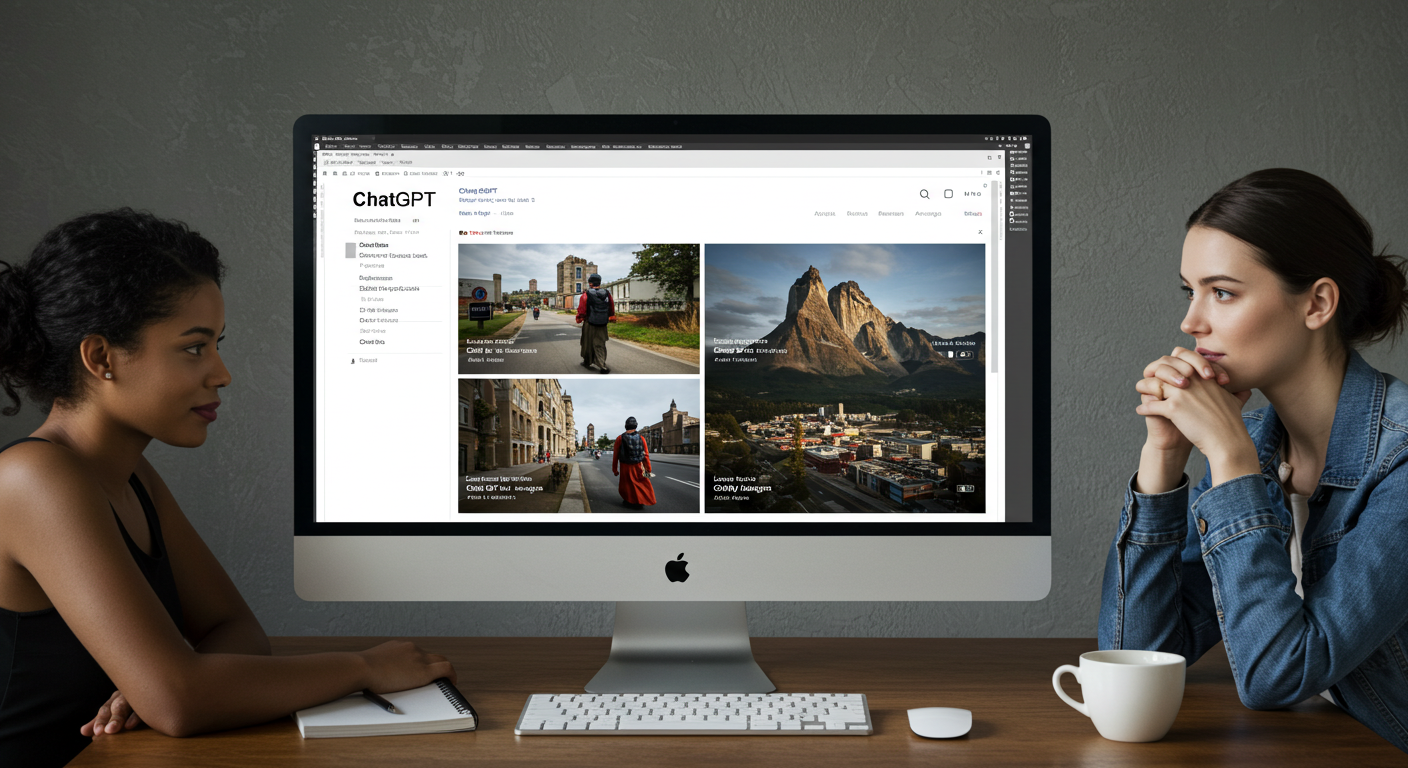
Getty Images and OpenAI have announced a multi-year strategic partnership that will bring Getty’s licensed photo and video library into OpenAI products, including ChatGPT search experiences. The companies are framing the agreement as both a content partnership and a broader business collaboration, not just a one-time licensing deal.
Getty and OpenAI Announce a Multi-Year Partnership
The core of the deal is straightforward: OpenAI will get access to Getty Images’ licensed visual content, and Getty will use OpenAI technology in parts of its own business. According to the Getty Images announcement and the OpenAI announcement, the partnership is meant to support how visual media appears across OpenAI experiences while also giving Getty access to AI tools for internal products and workflows.
What the companies have described so far is a strategic, multi-year relationship. Their announcements say licensed Getty photos and video will be surfaced across OpenAI products, with ChatGPT search experiences emerging as the clearest consumer-facing example. Neither company, however, has shared all of the implementation details.
What Will Show Up Inside ChatGPT
The clearest public takeaway is that Getty’s rights-managed visual library will be available within OpenAI experiences. That matters because the focus is not just on displaying more images, but on surfacing licensed photos and video backed by commercial-use rights, provenance, and attribution frameworks that publishers and brands often require.
ChatGPT Search is the most obvious setting for the partnership. OpenAI’s ChatGPT Search overview describes search as a product that combines web-based answers with richer sourced results, so integrating a major licensed media archive fits naturally into that model. Even so, the announcements stop short of saying Getty visuals will appear in every search result or that all users will see the same features at the same time.
Why the Deal Matters
The partnership is another sign that major AI companies are moving toward formal licensing arrangements for premium media. That shift matters because it contrasts with the more contentious pattern that has defined much of the AI era, where companies have faced criticism and legal pressure over how training data and creative works were collected and used.
For OpenAI, access to Getty’s large professional archive could improve trust and brand safety in AI-powered search and response experiences. For users and business customers, licensed media can offer a clearer path around the rights questions that often surround imagery found elsewhere on the web. In practical terms, a partnership like this could make AI-assisted search experiences more usable in commercial settings.
More Than a Content Licensing Agreement
This is also a two-way enterprise partnership. Getty is not only supplying content; it also plans to use OpenAI technology within its own operations. That makes the agreement broader than a standard distribution deal and suggests both companies see commercial value in the relationship.
While the public descriptions do not spell out every workflow Getty plans to adopt, the structure of the partnership suggests that product integration and operational use cases are part of the strategy. In other words, the arrangement appears to be about both content access and AI-enabled business tools.
The Copyright and Provenance Backdrop
The timing of the announcement matters. AI companies, publishers, and rights holders are still navigating major disputes over training data, compensation, attribution, and consent. In that environment, a licensed-content partnership stands out because it offers a more explicit framework for how media can be used inside AI products.
Getty has long been associated with rights-managed media and licensing controls, so its alignment with OpenAI sends a broader signal about where the market may be heading. As AI products become more central to search, publishing, and enterprise work, demand is growing for media that is traceable, cleared for use, and easier to deploy in commercial settings.
What We Still Do Not Know
Important questions remain unanswered. The companies have not fully detailed rollout timing, geographic scope, exact product placements, or whether Getty media will be integrated uniformly across ChatGPT features. They also have not publicly mapped out the full user experience for how licensed photos and video will appear in search-related results.
Still, the central takeaway is clear: Getty Images and OpenAI are signaling a more licensed, enterprise-oriented approach to visual content inside AI products. If that approach expands, it could become a model for how high-value media is incorporated into AI search and assistant platforms going forward.