Can AI Predict Mental Health Crises Before They Happen?
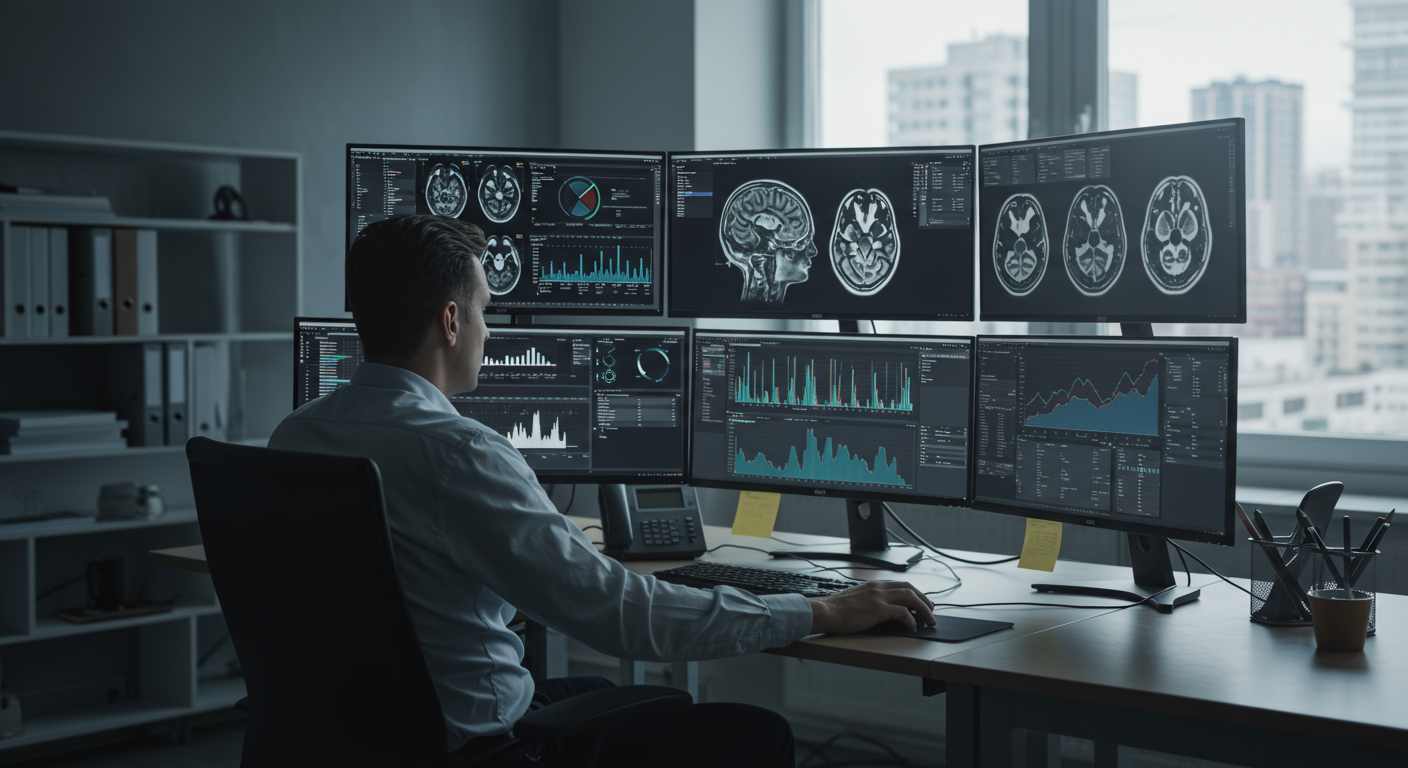
Mental health crises affect millions worldwide, often with devastating consequences that could be prevented with earlier intervention. As artificial intelligence transforms healthcare, researchers and clinicians are exploring whether AI systems can predict mental health emergencies before they occur—potentially saving lives through timely support.
How AI Detects Mental Health Warning Signs
AI systems analyze behavioral data to identify patterns that precede mental health crises. These digital biomarkers include smartphone usage patterns, social media activity, sleep disruption from wearable devices, and changes in communication frequency and tone.
Machine learning algorithms examine subtle shifts in speech patterns, detecting changes in vocal tone, pace, and word choice that may indicate deteriorating mental health. These systems can identify linguistic markers associated with depression, anxiety, and suicidal ideation with increasing accuracy.
Clinical validation studies show promising results, with some AI models achieving accuracy rates above 80% in predicting mental health episodes. However, effectiveness varies significantly depending on the condition being monitored and available data sources.
Real-World Applications Today
Crisis hotlines and emergency services are integrating AI screening tools to help operators identify high-risk callers more quickly. These systems analyze voice patterns and conversation content to flag individuals who may need immediate intervention.
Healthcare systems are exploring ways to incorporate predictive algorithms into routine patient monitoring. Some hospitals and clinics use AI to analyze electronic health records, identifying patients at elevated risk based on medical history, medication changes, and appointment patterns.
Commercial platforms have emerged with clinical partnerships, offering mental health monitoring services that combine consumer technology with professional oversight. These platforms require explicit consent and work alongside traditional healthcare providers rather than replacing them.
Breakthrough Research Shows Promise
Recent studies published in Nature and The Lancet demonstrate significant advances in early detection capabilities. Research shows AI systems can identify individuals at risk of suicide attempts weeks or even months before a crisis occurs, providing crucial intervention windows.
The National Institute of Mental Health has launched initiatives funding research programs that advance predictive mental health technologies. These federally-supported studies focus on developing more accurate algorithms while addressing implementation challenges in clinical settings.
Success rates for predicting crisis episodes vary, but research indicates AI systems can achieve meaningful accuracy in timeline predictions, particularly when multiple data sources are combined. Some studies report predicting depressive episodes with 70-85% accuracy within specific timeframes.
Privacy and Ethical Concerns
The American Psychological Association has raised concerns about algorithmic bias and false positives in mental health prediction. The organization emphasizes that AI tools must be carefully validated to avoid discriminatory outcomes or inappropriate interventions.
Patient consent and data privacy represent significant challenges in continuous mental health monitoring. The sensitive nature of mental health data requires robust protection measures, and individuals must understand how their information is used for predictive purposes.
Balancing early intervention benefits with surveillance concerns remains complex. Critics worry that pervasive monitoring could create anxiety or discourage help-seeking behavior, potentially undermining the intended benefits of predictive systems.
Implementation Challenges
Clinical integration poses substantial challenges, as mental health professionals require training to effectively use AI diagnostic tools. Many practitioners lack familiarity with algorithmic decision-making and need guidance on interpreting AI-generated risk assessments.
Regulatory frameworks for AI diagnostic tools remain underdeveloped, creating uncertainty about approval processes and professional liability. Healthcare systems must navigate complex questions about responsibility when AI systems make predictions about patient outcomes.
Cost-effectiveness considerations influence healthcare system adoption, as organizations weigh implementation expenses against potential savings from prevented crises. Insurance coverage for AI-assisted mental health monitoring remains inconsistent across different healthcare systems.
The Future of Predictive Mental Health
The World Health Organization has identified AI-powered mental health solutions as potentially transformative for addressing global mental health challenges, particularly in regions with limited access to traditional mental healthcare resources.
Next-generation AI developments focus on creating more personalized crisis prediction models that account for individual differences in mental health presentation and risk factors. These systems aim to reduce false positives while maintaining sensitivity to genuine crisis indicators.
The technology holds significant potential to transform mental healthcare accessibility and prevention strategies. By identifying at-risk individuals earlier, AI systems could enable more proactive interventions and reduce the burden on emergency mental health services.
While challenges remain, the convergence of advancing AI capabilities, growing mental health awareness, and increasing digital health adoption suggests that predictive mental health technologies will play an expanding role in healthcare systems worldwide. Success will depend on careful attention to ethical considerations, professional standards, and patient-centered implementation approaches.