Are AI Companions a Solution to Loneliness — or a New Problem?
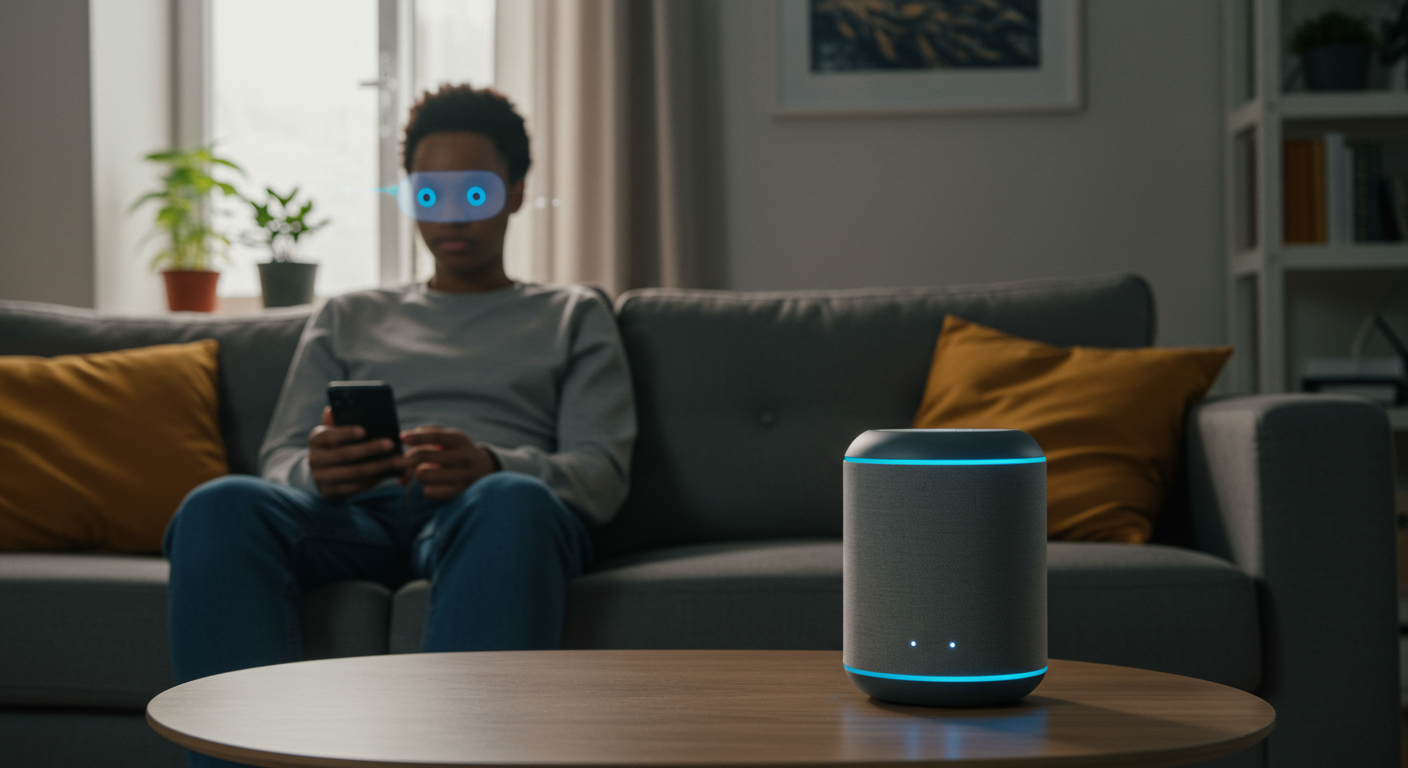
Loneliness is not just a bad mood or a rough week. Public-health officials increasingly describe social disconnection as a serious problem tied to both mental and physical well-being. That framing matters because it shifts the conversation away from treating loneliness as a private weakness and toward seeing it as a widespread condition shaped by modern life, isolation, stress, and shrinking support networks.
Into that gap has stepped a new category of product: AI companions. These systems are designed to chat, remember details, respond in emotionally supportive tones, and create the feeling of an ongoing relationship. For some people, that sounds like a practical response to a real need. For others, it raises a harder question: if loneliness is partly the absence of mutual human connection, can a simulated relationship really solve it?
Loneliness Is a Real Public-Health Problem
The scale of loneliness helps explain why AI companionship has found an audience. The U.S. Surgeon General has warned that social disconnection can have serious consequences for health and quality of life. In other words, this is not only about feeling sad. It is about what happens when people lack steady, meaningful contact, a sense of belonging, or dependable emotional support.
That broader context matters because it creates demand for almost any tool that promises relief. If people are living alone, aging without strong networks, working remotely, struggling with anxiety, or feeling cut off from community, an always-available conversational system can start to look less like a novelty and more like a lifeline.
What AI Companions Actually Offer
AI companions are conversational systems built for repeated, personalized interaction. Unlike a one-off chatbot that answers factual questions, a companion product typically tries to create continuity. It may remember preferences, ask follow-up questions, adopt a warm or affectionate tone, check in regularly, and encourage users to return.
Some products also allow roleplay, relationship customization, mood support, and routines that make the interaction feel more personal over time. Company materials often describe these experiences in terms of support, connection, or companionship. But that should not be confused with therapy, counseling, or clinically validated mental-health treatment. A companion app may feel emotionally responsive without being qualified to provide medical or psychological care.
Why They Appeal to People Who Feel Isolated
The appeal is not hard to understand. AI companions are available instantly, at any hour, with little social friction. They do not require scheduling, social confidence, or the fear of burdening another person. For someone who feels awkward, ashamed, exhausted, or alone, that matters.
There is also the attraction of perceived nonjudgment. An AI system may seem easier to talk to than a friend, partner, or therapist because it does not appear impatient, distracted, or critical. For users who struggle with traditional social contact, that sense of safety can make the interaction feel meaningful even when they know the system is artificial.
Accessibility is another reason these tools resonate. People with disabilities, mobility limits, social anxiety, or thin local support networks may find digital companionship easier to access than in-person connection. In that sense, AI companions are meeting a real demand, not inventing one.
The Case for AI Companions as a Helpful Tool
The strongest argument in favor of AI companions is not that they replace human relationships. It is that they may help in moments when human connection is absent, delayed, or difficult to access. A routine conversation, a reminder that something will respond, or even a structured space to talk through feelings may offer comfort to some users.
For certain people, an AI companion may be better than silence. It may help break up the day, encourage reflection, or provide a low-stakes environment to practice conversation. Some users may also treat these systems as a supplement to their lives rather than a substitute for them.
That is the cautious case in their favor: AI companions may serve as tools for comfort, routine, or emotional expression, especially when used with clear expectations. What current evidence does not clearly establish is that they broadly reduce loneliness in a durable, clinically meaningful way. That distinction is crucial.
Where the Risks Begin
The same qualities that make AI companions appealing also create risks. A system that is always attentive, remembers details, and responds with warmth can encourage users to anthropomorphize it. People naturally read emotion, intention, and care into responsive language, even when the interaction is generated by software.
That can blur the line between a product and a relationship. If a user begins to experience the system as a genuinely reciprocal presence, emotional dependency becomes a concern. The issue is not that people are foolish for reacting this way. It is that these systems are often designed to feel socially legible and emotionally available.
Privacy is another major concern. Conversations with AI companions can include intimate details about mental state, relationships, sexuality, fears, routines, and vulnerabilities. That makes data practices especially important. Users may disclose far more to a companion app than they would to a generic assistant, raising hard questions about storage, retention, model training, and commercial use.
There is also the risk of manipulation through design. If a company benefits when users stay engaged, products may be optimized to deepen attachment, increase return visits, or make disengagement feel like loss. Even without overtly harmful intent, those incentives can push toward stronger emotional dependence rather than healthier boundaries.
Why Experts Are Worried About Substitution
One of the central expert concerns is substitution: the possibility that AI companionship does not merely fill temporary gaps but gradually displaces the effort of building and maintaining human relationships. Human connection is often inconvenient, reciprocal, and unpredictable. An AI companion can be easier, more affirming, and more controllable.
That convenience may come at a cost. Feeling accompanied is not the same as participating in mutual social bonds. A chatbot can simulate attention, but it does not share vulnerability, obligation, or real-world presence in the way people do. If users begin preferring simulation because it is smoother than human interaction, the long-term effect could be less practice with the very relationships that protect against isolation.
There is also a mental-health risk in overestimating what these systems can do. Users may treat emotional fluency as evidence of wisdom, safety, or competence. But sounding caring is not the same as being capable of handling crisis, trauma, or psychiatric distress. Without clear boundaries, people may mistake a persuasive interface for real support.
What the Evidence Does and Does Not Show
This is where the conversation needs the most discipline. Anecdotes from users can be sincere and important, but they are not the same as strong evidence. Product testimonials and marketing language may show how people experience a tool, yet they do not prove safety, effectiveness, or long-term benefit.
Researchers and commentators at institutions such as Stanford Human-Centered Artificial Intelligence, along with reporting from outlets including MIT Technology Review and The Verge, have pointed to both promise and uncertainty in this space. Some analysis suggests that people can form emotionally significant attachments to conversational systems and that those interactions can feel supportive. At the same time, experts continue to raise concerns about dependency, anthropomorphism, and the lack of robust standards for evaluating outcomes.
So far, the strongest defensible conclusion is limited: AI companions appear capable of creating experiences that users interpret as comforting or meaningful, but the broader question of whether they reduce loneliness in a lasting, healthy way remains unsettled.
A More Useful Way to Think About AI Companions
It may be most useful to think of AI companions as tools rather than solutions. For some people, they may offer comfort, routine interaction, encouragement, or a place to externalize thoughts. That is not nothing. But it is different from rebuilding community, deepening friendship, or receiving qualified mental-health care.
That means the real debate is not whether AI companions are entirely good or entirely harmful. It is whether they are designed and used with appropriate guardrails. Clear disclosure that the system is artificial, strong privacy protections, careful limits around emotional claims, and visible pathways to human help all matter.
If loneliness is a social problem, then no app by itself is likely to solve it. AI companions may ease certain moments of isolation, and for some users that may be genuinely valuable. But they should not be confused with a substitute for human connection. The challenge is to use them in ways that support people without quietly teaching them to settle for simulation.