AI Voice-Clone Scam Warnings Are Growing, but the Biggest Claims Need Careful Sourcing
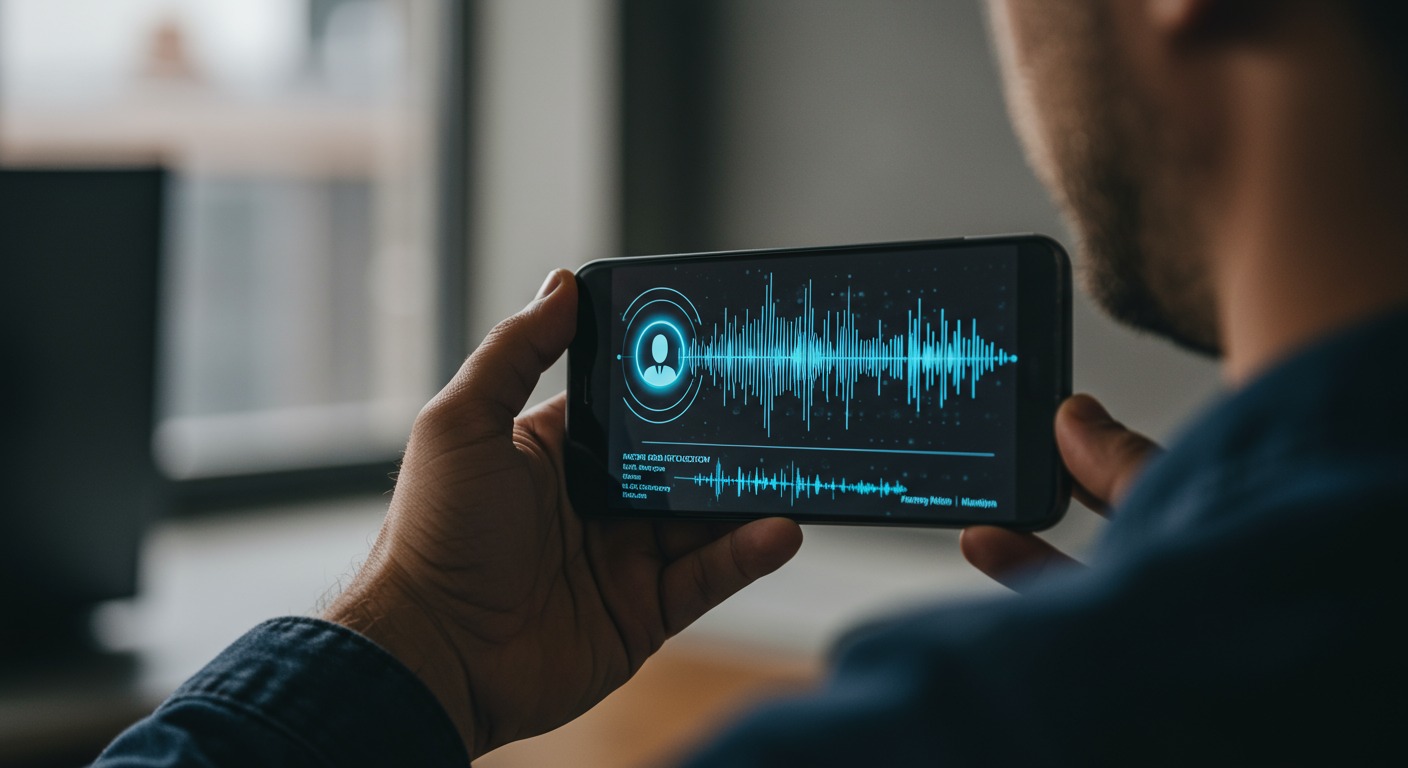
AI voice-cloning scams are drawing more attention for a simple reason: the threat is credible, the tools are getting cheaper, and regulators are increasingly worried about how easily impersonation can pressure people into costly mistakes.
At the same time, two headline-ready claims that often circulate online deserve more caution than they usually get. One is that 1 in 4 Americans received an AI voice clone call last year. The other is that the United Nations called the problem a global emergency. Both may reflect genuine concern, but without a clearly identified survey, report, or official statement, they are better treated as attributed claims than as settled facts.
Why AI voice-cloning scams are drawing new alarm
AI-generated voice impersonation is not an entirely new type of fraud. It is better understood as a more powerful version of older scam tactics that already relied on panic, urgency, and misplaced trust. What has changed is how quickly criminals can imitate a familiar voice and how convincing those imitations can sound during short, emotionally charged calls.
That matters because a believable voice can short-circuit skepticism. Someone who would ignore a suspicious text or email may react very differently if they believe they are hearing a child, parent, boss, coworker, or government official asking for immediate help.
What can be verified — and what must be attributed
The broad warning is well supported. The Federal Trade Commission, the Federal Communications Commission, consumer advocates, and law-enforcement bodies have all raised alarms about AI-assisted impersonation and fraud. But broad concern is not the same as proof for every viral statistic or dramatic phrase.
If a prevalence figure such as 1 in 4 Americans is used, it should be tied to a specific survey and described as survey-based. That distinction matters because a poll may capture reported exposure to suspicious calls, concern about scams, or a belief that AI was involved, without proving that every incident involved true voice cloning.
The same caution applies to international policy language. If a United Nations body warned about synthetic media, cyber-enabled fraud, or AI misuse, that is meaningful. But saying the UN declared a global emergency is a much stronger claim and should be used only if that exact wording appears in an official UN source.
These distinctions are not trivial. They separate three different questions: how common suspicious calls are, how often AI voice cloning is actually involved, and how seriously institutions view the threat.
How AI voice-cloning scams work in practice
A typical voice-clone scam follows a familiar pattern. A caller claims to be a relative in trouble, a company executive needing an urgent transfer, or an authority figure demanding immediate action. The cloned voice is there to make the lie feel real for a few critical seconds.
Modern tools can produce a passable imitation from a short audio sample, especially when the target is stressed and the call quality is poor. Public videos, social media clips, podcasts, and voicemail recordings can all provide enough material to mimic tone and cadence.
The goal is usually not a long conversation. It is speed. Scammers want money sent, credentials shared, verification steps bypassed, or a second account compromise triggered before the target stops to confirm what is happening.
Why regulators are increasingly concerned
U.S. agencies such as the Federal Trade Commission and the Federal Communications Commission have spent years warning consumers about impersonation scams and robocalls. AI voice tools intensify those concerns because they can make older fraud tactics more believable and easier to scale.
Instead of manually crafting every attempt, criminals can automate outreach, tailor scripts, and create convincing fake audio at low cost. That increases the odds that some targets will react emotionally before checking the details.
For regulators, the issue is not just novelty. It is the combination of deception, reach, and low friction. A scam that once required planning, acting skill, or insider information can now be carried out with widely available software and a few seconds of source audio.
Why this is becoming an international policy issue
International bodies are paying attention because the fraud ecosystem is cross-border by nature. The people building the tools, placing the calls, moving the money, and laundering the proceeds may all be in different jurisdictions. That makes enforcement harder and coordinated responses more complicated.
Europol has warned about synthetic media and the criminal misuse of AI, especially where impersonation, social engineering, and digital fraud overlap. United Nations discussions around AI governance and cyber-enabled abuse also reflect rising concern, even when public summaries are less dramatic than viral headlines suggest.
In other words, the international concern is real even if a particular slogan overstates what an institution literally said.
What the consumer-exposure numbers do and do not prove
Survey numbers can be useful, but readers should understand their limits. A consumer survey may show that many people report receiving suspicious calls they believe used AI, or that a significant share are worried about voice cloning. That helps measure awareness and possible exposure.
It does not automatically prove the exact rate of true AI-generated voice calls across the full population. It also does not show how many attempts led to financial loss.
That is why the strongest takeaway is not any single viral number. It is that multiple sources point in the same direction: voice impersonation is easier than before, consumers are encountering the threat, and institutions see enough risk to issue repeated warnings.
How people can reduce their risk
The most effective defenses are still practical ones. If someone calls with an urgent request for money, sensitive information, or account access, hang up and call back using a trusted number. Do not rely on the incoming call alone.
Families can also set a simple safe word or verification question for emergencies. That extra step can break a scam's momentum. In workplaces, approval procedures for payments and account changes should never depend on voice requests alone.
It also helps to limit unnecessary public voice samples where practical, strengthen account security, and be skeptical of any demand designed to create panic. These scams often work because the target feels forced to act immediately. Slowing the moment down is itself a form of protection.
The bigger takeaway: the threat is real, but precision matters
AI voice impersonation is a genuine and growing fraud risk. That conclusion is supported by regulator warnings, consumer-protection reporting, and broader international concern about AI-enabled deception.
But precision matters. The most credible version of this story does not depend on the most dramatic phrasing. It rests on something more durable: persuasive impersonation is getting easier, scams are adapting quickly, and public institutions are taking the issue seriously.
That is alarming enough on its own.